

The best AI-powered workflow automation resources in 2026 share one quality: they teach you to build systems that run without constant supervision, not just chains of triggered tasks. My top overall pick is The Agentic Workflow: A Practical Guide to AI-Powered Automation and n8n, because it pairs the most popular open-source automation platform with genuinely modern agentic techniques. Close behind are Workflow Automation with Microsoft Power Automate for enterprise-leaning buyers already in the Microsoft ecosystem, and the n8n AI Automation Crash Course for anyone who wants results fast without touching code. The central tradeoff in this category is between no-code speed and code-level control — visual builders get you running in days but hit walls with complex logic, while Python- and API-based approaches scale further but demand steeper upfront investment. Keep reading for the full breakdown of all fifteen options and which one fits your situation.

Get business pricing on tech for your team
- Business-only prices and quantity discounts
- Tax-exempt purchasing
- Multiple users, one account, clear invoices
Key Takeaways
- n8n dominates this roundup, appearing in four of the fifteen picks — its open-source core and native AI agent nodes make it the most taught platform for agentic automation in 2026.
- The biggest quality gap separated books that teach transferable architecture patterns from recipe collections; the Python Automation Cookbook and Agentic Workflow guide held up best because their logic survives platform updates.
- Role-specific titles (accounting, email marketing, network operations) only earn their price if you match the role exactly — generalists get more mileage from platform-focused picks.
- Claude-centered titles split sharply: Claude Cowork Automation works for non-technical delegation, while Agentic Coding with Claude Code assumes real developer experience with no bridge between them.
- Gamified and challenge-format books, like The n8n Puzzle Challenge, are the fastest way to retain skills but the worst reference material — buy them as supplements, not primaries.
| The Claude AI Bible: The Complete Guide to Mastering Claude |  | Best for Claude-Centric Beginners | Focus: Claude AI mastery and task automation | Audience level: Beginner-friendly | Platform covered: Anthropic Claude | VIEW LATEST PRICE | See Our Full Breakdown |
| The Agentic Workflow: A Practical Guide to AI-Powered Automation and n8n |  | Best for No-Code Platform Learners | Focus: AI-powered automation with n8n | Platform covered: n8n | Audience level: Beginner to advanced | VIEW LATEST PRICE | See Our Full Breakdown |
| OpenCode Custom Workflows: Building Intelligent Automation with AI Agents |  | Best for Agent-Building Ambitions | Focus: Custom workflows with AI agents | Audience level: Beginner to experienced developers | Approach: Multi-tool survey of AI agent techniques | VIEW LATEST PRICE | See Our Full Breakdown |
| The AI-Powered Accountant: How to Use ChatGPT, AI Tools and Smart Automation to Save 10+ Hours a Week, Win Better Clients, and Build a Future-Proof Business |  | Best for Practice-Building Accountants | Focus: AI and automation for accounting practices | Primary tools: ChatGPT and smart automation tools | Audience level: Working accounting professionals | VIEW LATEST PRICE | See Our Full Breakdown |
| AI-Powered Accounting with Excel and Power BI |  | Best Premium Pick for Finance Teams | Focus: AI-transformed accounting workflows | Tools covered: Excel, Power BI, Claude, Copilot | Audience level: Intermediate to advanced finance professionals | VIEW LATEST PRICE | See Our Full Breakdown |
| Python Automation Cookbook: 100+ Recipes for Scalable Workflows, MCP Integrations, and AI Automation |  | Best for Developers Who Want Code-Level Control | Format: Print / digital cookbook | Content: 100+ automation recipes | Topics covered: Python automation, MCP integrations, AI automation, scalable workflows | VIEW LATEST PRICE | See Our Full Breakdown |
| n8n AI Automation Crash Course: Build No-Code Workflows and Smart Agents for AI-Powered Productivity |  | Best for Beginners Going No-Code | Format: Crash course (digital guide) | Platform taught: n8n | Coding required: None (no-code) | VIEW LATEST PRICE | See Our Full Breakdown |
| The AI-Powered Email Marketing Specialist: How to Use ChatGPT, AI Tools and Smart Automation to Write Emails That Convert, Master Deliverability, and Workflow Guides for Professionals |  | Best Niche Pick for Marketers | Format: Professional guide (digital/print) | Domain focus: Email marketing | AI tools covered: ChatGPT and supporting AI tools | VIEW LATEST PRICE | See Our Full Breakdown |
| Workflow Automation with Microsoft Power Automate: Design and Scale AI-Powered Cloud and Desktop Workflows Using Low-Code Automation |  | Best for Enterprise Teams | Format: Technical book (print/digital) | Platform taught: Microsoft Power Automate | Automation types: Cloud workflows and desktop RPA | VIEW LATEST PRICE | See Our Full Breakdown |
| Claude AI Automation & Monetization: Build AI-Powered Systems, Automate Workflows, and Generate Income |  | Best for Monetization-Minded Builders | Format: Digital book | Series: Claude AI Mastery Series | Focus: AI system building, workflow automation, income generation | VIEW LATEST PRICE | See Our Full Breakdown |
| Agentic Coding with Claude Code (5-in-1): A Practical Developer’s Handbook for Building, Automating, and Scaling Software Projects with Claude Code and AI-Powered Agentic Workflows |  | Best for Developers | Format: Kindle ebook / Print | Structure: 5-in-1 handbook | Primary tool: Claude Code | VIEW LATEST PRICE | See Our Full Breakdown |
| The n8n Puzzle Challenge: Gamified Workflow Automation in 30 Days |  | Best for Beginners | Format: Kindle ebook | Learning structure: 30-day gamified challenge | Primary tool: n8n | VIEW LATEST PRICE | See Our Full Breakdown |
| Claude Cowork Automation: Build AI-Powered Workflows, Delegate Repetitive Tasks, and Automate Your Work |  | Best for Non-Technical Professionals | Format: Kindle ebook | Primary tool: Claude AI | Topics: AI workflows, task delegation, personal automation | VIEW LATEST PRICE | See Our Full Breakdown |
| Building AI Agents for Network Operations: Design LLM-powered NetOps workflows with Python, Ollama, MCP, and tool calling | 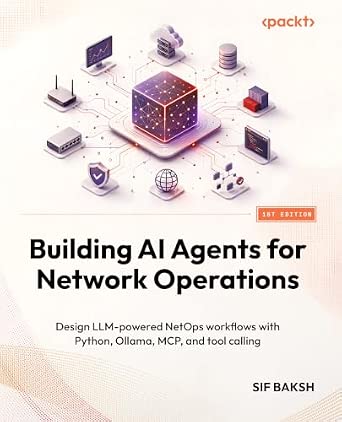 | Best Specialist Pick | Format: Print / ebook (ISBN 1808346831) | Primary tools: Python, Ollama, MCP | Domain: Network operations (NetOps) | VIEW LATEST PRICE | See Our Full Breakdown |
| n8n AI Automation: Build Smarter Workflows, Agents & Intelligent Systems with Real-World Projects |  | Best for Hands-On Project Learning | Format: Course / ebook | Primary tool: n8n | Topics: AI workflows, agents, intelligent systems | VIEW LATEST PRICE | See Our Full Breakdown |
| AI-powered workflow automation tool | Format | Skill level |
|---|---|---|
| The Claude AI Bible: The Compl | — | — |
| The Agentic Workflow: A Practi | — | — |
| OpenCode Custom Workflows: Bui | — | — |
| The AI-Powered Accountant: How | — | — |
| AI-Powered Accounting with Exc | — | — |
| Python Automation Cookbook: 10 | Print / digital cookbook | Intermediate to advanced developer |
| n8n AI Automation Crash Course | Crash course (digital guide) | Beginner |
| The AI-Powered Email Marketing | Professional guide (digital/print) | Intermediate marketing professional |
| Workflow Automation with Micro | Technical book (print/digital) | Intermediate; not for complete beginners |
| Claude AI Automation & Monetiz | Digital book | Intermediate; some content skews technical for beginners |
| Agentic Coding with Claude Cod | Kindle ebook / Print | — |
| The n8n Puzzle Challenge: Gami | Kindle ebook | — |
| Claude Cowork Automation: Buil | Kindle ebook | Beginner, no code |
| Building AI Agents for Network | Print / ebook (ISBN 1808346831) | Intermediate to advanced |
| n8n AI Automation: Build Smart | Course / ebook | Intermediate |
More Details on Our Top Picks
The Claude AI Bible: The Complete Guide to Mastering Claude
The Claude AI Bible earns its spot as the gentlest entry point for readers who want to automate their work specifically around Anthropic’s Claude. Where The Agentic Workflow assumes you’ll wire up a platform like n8n, this book stays focused on prompt-driven workflows and task automation inside Claude itself, which means fewer moving parts for a newcomer to absorb. The payoff is practical: readers learn to hand off repetitive tasks without first learning a workflow engine. The tradeoff is real, though — there are no hard technical details in the available material, and unlike the OpenCode title, there’s no bridge toward building actual AI agents. Compared with Claude Cowork Automation, which skews toward delegation tactics, this option reads more like a full orientation, making it the better first purchase before committing to a specialized toolbook.
Pros:- Approachable writing that doesn’t assume prior AI knowledge
- Focuses on practical, repeatable workflows rather than theory
- Covers productivity automation across common repetitive tasks
- Works well as a foundational read before tool-specific books
Cons:- No technical depth, code examples, or API documentation
- No user reviews or ratings yet to validate the material
- Claude-specific focus limits usefulness for multi-tool automation stacks
Best for: Office workers and solo professionals new to AI who want a single, plain-language guide to automating everyday tasks with Claude
Not ideal for: Developers who need code samples, API specifics, or agent architecture — this stays at the concepts-and-workflows level
- Focus:Claude AI mastery and task automation
- Audience level:Beginner-friendly
- Platform covered:Anthropic Claude
- Content type:Step-by-step guide with tips
- Code examples:Not included
- Primary outcome:Automating repetitive tasks and productivity gains
Our verdict“Buy this if Claude is your automation hub and you’re starting from zero; skip it if you already prompt well and need engineering-level detail.”
The Agentic Workflow: A Practical Guide to AI-Powered Automation and n8n
This title stands out for readers who want one foot in AI and one foot in a real automation platform. By centering the book on n8n, it gives you a concrete place to build, unlike The Claude AI Bible, which stays inside a chat interface. The progression from basic automation up to AI-driven decision systems is the selling point: you’re not just copying prompts, you’re designing pipelines that act on them. That said, the tradeoff cuts both ways. The n8n AI Automation Crash Course in this roundup is faster for pure no-code starters, while this book goes broader — and in doing so, it skimps on technical depth and ships without code snippets or guided tutorials. This pick makes the most sense for self-directed learners who will build the examples themselves rather than follow copy-paste recipes.
Pros:- Anchors abstract AI concepts to a specific, popular automation platform
- Scales from basic workflows to agentic decision systems
- Serves both beginners and readers with existing automation experience
- Practical orientation toward building rather than theorizing
Cons:- Lacks detailed technical explanations under the hood
- No included code snippets or step-by-step tutorials
- Overlap with dedicated n8n titles in this roundup may feel redundant
Best for: Operations-minded professionals and aspiring automation consultants who want to learn n8n as the backbone of AI-driven workflows
Not ideal for: Readers who want ready-to-run code and tightly scripted tutorials — you’ll have to construct the examples on your own
- Focus:AI-powered automation with n8n
- Platform covered:n8n
- Audience level:Beginner to advanced
- Scope:Basic automation through AI-driven decision systems
- Code examples:Not included
- Content type:Practical guide with platform examples
Our verdict“The strongest choice if your goal is designing end-to-end AI workflows on n8n and you’re willing to fill in the technical gaps yourself.”
OpenCode Custom Workflows: Building Intelligent Automation with AI Agents
OpenCode Custom Workflows occupies the most forward-looking position in this batch. Instead of chaining tasks in a tool like n8n — the approach The Agentic Workflow teaches — this book is about building AI agents that reason and act, which is a different skill set and a bigger payoff if you master it. Compared with Building AI Agents for Network Operations, it stays tool-agnostic across a variety of agent frameworks and techniques rather than drilling into one domain like NetOps. That breadth is its strength and its weakness: an automation enthusiast gets a map of the whole territory, but the absence of detailed worked examples means you won’t finish with a deployable agent unless you invest your own effort. Pricing and ratings information is thin too, so this is a leap of faith for undecided buyers — one best taken by builders who already code.
Pros:- Covers a wide range of AI agent tools and techniques in one place
- Addresses both newcomers and experienced automation developers
- Focuses on intelligent, agent-driven systems rather than static workflows
- Tool-agnostic approach keeps it relevant as frameworks evolve
Cons:- Description lacks detailed technical examples to judge depth
- No pricing transparency or user ratings available
- Breadth-over-depth structure may frustrate readers wanting one complete build
Best for: Hobbyist and professional developers exploring multi-framework AI agents who want a survey of approaches before committing to one stack
Not ideal for: Non-coders or readers who want a guaranteed working project at the end — the examples are thin and the material assumes technical initiative
- Focus:Custom workflows with AI agents
- Audience level:Beginner to experienced developers
- Approach:Multi-tool survey of AI agent techniques
- Domain specificity:General purpose
- Code examples:Limited detail available
- Primary outcome:Building intelligent automation systems
Our verdict“A conceptual springboard for agent builders — worthwhile if you can code, frustrating if you can’t.”
The AI-Powered Accountant: How to Use ChatGPT, AI Tools and Smart Automation to Save 10+ Hours a Week, Win Better Clients, and Build a Future-Proof Business
Most books in this roundup teach automation mechanics; this one teaches business transformation. The promise — saving 10+ hours a week — is framed around client work, practice growth, and future-proofing, which no generalist title like The Agentic Workflow attempts. Where AI-Powered Accounting with Excel and Power BI goes deep on specific Microsoft tooling, this book stays broader and lighter, leaning on ChatGPT and a mix of smart automation strategies woven into daily accounting operations. That positioning is exactly why a sole practitioner or small-firm owner would reach for it first: the workflows map to invoices, client comms, and advisory work. The flip side is that technically minded readers will find it short on specifications and hands-on configuration, and it presumes some comfort with AI tools already. Treat it as the strategy layer, then buy a tool-specific book for execution.
Pros:- Directly maps AI workflows to accounting practice operations
- Frames automation around measurable outcomes like 10+ hours saved weekly
- Includes client acquisition and business-positioning strategy, not just tools
- Broad tool coverage centered on ChatGPT keeps it accessible
Cons:- No detailed technical specifications or implementation walkthroughs
- Assumes prior familiarity with AI tools
- Strategy-heavy content may under-serve hands-on builders
Best for: Sole-practitioner and small-firm accountants who want AI-driven time savings and a plan to upgrade their client base
Not ideal for: Finance technologists seeking deep tool configuration — this is strategy-first and assumes basic AI familiarity rather than teaching it
- Focus:AI and automation for accounting practices
- Primary tools:ChatGPT and smart automation tools
- Audience level:Working accounting professionals
- Key promise:Save 10+ hours per week
- Content type:Strategy plus practical workflows
- Business coverage:Client growth and future-proofing
Our verdict“The right buy for accountants thinking like business owners; pair it with a technical title if you need build-level detail.”
AI-Powered Accounting with Excel and Power BI
This is the most technically ambitious finance title in the batch. By combining Excel, Power BI, Claude, and Copilot under one cover and grounding everything in real-world case studies, it targets finance teams who already live in Microsoft tooling and want AI woven into existing processes — a sharper, more enterprise-ready scope than The AI-Powered Accountant, which prioritizes practice strategy over stack depth. The case-study format is the differentiator: compared with the conceptual OpenCode Custom Workflows, you see how these integrations behave in actual accounting scenarios, which shortens the path from reading to deployment. The tradeoffs are predictable. It assumes prior knowledge of both AI and data tools, and readers consistently note it stops short of detailed technical instructions, so expect to lean on your own Power Query and DAX skills to close the gaps. This is a resource for capable teams, not newcomers.
Pros:- Real-world case studies show AI applied to actual accounting processes
- Covers a genuinely modern stack: Excel, Power BI, Claude, and Copilot
- Well suited to team-based and enterprise finance environments
- Bridges traditional finance tooling with current AI capabilities
Cons:- Requires prior knowledge of AI concepts and data tools
- Lacks detailed step-by-step technical instructions
- Microsoft-centric scope limits portability to other ecosystems
Best for: Finance analysts and accounting teams already working in Excel and Power BI who want AI integration taught through realistic case studies
Not ideal for: AI beginners or casual Excel users — the multi-tool scope and assumed baseline knowledge make it a steep, frustrating starting point
- Focus:AI-transformed accounting workflows
- Tools covered:Excel, Power BI, Claude, Copilot
- Audience level:Intermediate to advanced finance professionals
- Content type:Real-world case studies with practical insights
- Environment:Microsoft-centric finance stack
- Prerequisites:Prior AI and data-tool familiarity
Our verdict“The deepest finance-focused option here — worth it for experienced Excel and Power BI users, overkill for everyone else.”
Python Automation Cookbook: 100+ Recipes for Scalable Workflows, MCP Integrations, and AI Automation
Most entries in this roundup hand you a tool and a dashboard; this one hands you the source code. With 100+ copy-ready Python recipes covering MCP integrations and AI automation, it stands apart from no-code options like the n8n AI Automation Crash Course by giving developers full control over every step of a workflow. That control comes at a price: where n8n lets a marketer build an agent in an afternoon, this book assumes you already write Python comfortably. Compared with Building AI Agents for Network Operations, the recipe format here is broader and more modular, though some recipes read more like sketches than tutorials, leaving you to fill in the architecture yourself.
Pros:- 100+ concrete, reusable automation recipes in a modular format
- Covers cutting-edge MCP integrations alongside AI automation
- Code-level control that no low-code platform book can match
- Scales well as a reference you return to per project
Cons:- Some recipes lack detailed explanations, assuming you can debug gaps yourself
- Firm prerequisite of Python programming knowledge
- No visual workflow tooling, so nothing here helps non-developers
Best for: Python-proficient developers and automation engineers who want reusable, hackable recipes rather than platform tutorials
Not ideal for: Non-coders and business users — the entire value of the book depends on existing Python skills
- Format:Print / digital cookbook
- Content:100+ automation recipes
- Topics covered:Python automation, MCP integrations, AI automation, scalable workflows
- Skill level:Intermediate to advanced developer
- Prerequisites:Python programming knowledge
- Structure:Recipe-based, modular reference format
Our verdict“If you can write Python and want maximum control over AI workflows, this is the most technically substantive pick in the lineup; everyone else should look at the n8n or Power Automate titles.”
n8n AI Automation Crash Course: Build No-Code Workflows and Smart Agents for AI-Powered Productivity
For readers who want working automations without writing a single line of code, this crash course is the gentlest on-ramp in the roundup. It teaches n8n’s visual workflow builder and AI agents in a beginner-friendly progression, which makes the Python Automation Cookbook feel like graduate-level reading by comparison. The tradeoff is depth: unlike The Agentic Workflow, which goes further into n8n’s architecture and practical patterns, this course moves fast and shallow, and some sections assume you already grasp automation concepts like triggers and webhooks. Still, if your goal is one working agent by the weekend, this gets you there faster than anything else here.
Pros:- Genuinely beginner-friendly with no coding required
- Focused on AI agents and productivity use cases, not just plumbing
- Fast time-to-first-working-automation of any pick here
- n8n is a low-cost, self-hostable platform, keeping ongoing costs down
Cons:- Shallow coverage compared with deeper n8n titles in this roundup
- Some concepts like webhooks and triggers go under-explained
- Sparse supplementary materials or technical documentation
Best for: Non-technical professionals, small-business owners, and career-switchers building their first AI automations
Not ideal for: Automation veterans who already know n8n — the pace will feel slow and the coverage thin
- Format:Crash course (digital guide)
- Platform taught:n8n
- Coding required:None (no-code)
- Topics covered:No-code workflows, smart agents, AI productivity
- Skill level:Beginner
- Learning style:Short, project-driven crash course
Our verdict“The fastest path from zero to a working no-code AI workflow — pick it if you’re starting from scratch, skip it if you’ve already opened n8n.”
The AI-Powered Email Marketing Specialist: How to Use ChatGPT, AI Tools and Smart Automation to Write Emails That Convert, Master Deliverability, and Workflow Guides for Professionals
Where every other entry here automates general workflows, this one narrows to a single domain: email marketing powered by AI. That focus is its strength — deliverability, conversion copy, and campaign automation get treatment that generalist titles like Claude Cowork Automation simply can’t match. Compared with The AI-Powered Accountant, the playbook structure is similar, but marketers get workflow guides tailored to sequences, segmentation, and inbox placement rather than finance tasks. The tradeoff is that it’s strategy over step-by-step instruction: experienced marketers will fill in the gaps, but newcomers expecting click-by-click tutorials may feel stranded, and it’s useless for anyone outside the marketing function.
Pros:- Deep, domain-specific coverage unmatched by generalist automation books
- Treats deliverability seriously, a topic most AI marketing books skip
- Workflow guides map directly to professional campaign processes
- ChatGPT techniques are immediately applicable to copy production
Cons:- Strategy-heavy with few step-by-step technical instructions
- Too advanced for marketers new to automation concepts
- Zero relevance outside the email marketing niche
Best for: Email marketers, CRM managers, and agency professionals who already run campaigns and want AI to lift conversion and deliverability
Not ideal for: Automation generalists and complete beginners — the domain-specific strategy assumes existing marketing context
- Format:Professional guide (digital/print)
- Domain focus:Email marketing
- AI tools covered:ChatGPT and supporting AI tools
- Topics covered:Conversion copywriting, deliverability, campaign automation workflows
- Skill level:Intermediate marketing professional
- Instruction style:Strategy and workflow guides, not step-by-step tutorials
Our verdict“A specialist playbook for marketers who already know email and want AI to sharpen it — everyone else should choose a broader workflow title.”
Workflow Automation with Microsoft Power Automate: Design and Scale AI-Powered Cloud and Desktop Workflows Using Low-Code Automation
This is the only entry in the roundup built around an enterprise-grade platform, and that changes who it’s for. Where the n8n titles suit solo builders and startups, Power Automate lives inside the Microsoft 365 ecosystem most companies already pay for — so everything here plugs into Outlook, SharePoint, and Teams from page one. The dual cloud-and-desktop coverage is a real differentiator, extending automation to legacy desktop apps that browser-based tools like n8n can’t touch. The cost is complexity: licensing tiers, connectors, and governance concepts push this well beyond the n8n AI Automation Crash Course in difficulty, and complete beginners may drown before their first flow runs.
Pros:- Enterprise-scale design patterns with governance and licensing context
- Covers both cloud flows and desktop (RPA) automation
- Native integration with the Microsoft 365 stack most companies run
- Low-code approach keeps it accessible relative to raw coding
Cons:- Steeper learning curve than no-code beginner titles here
- Assumes access to paid Power Automate licensing
- Too platform-specific for readers not already in Microsoft environments
Best for: IT staff, operations analysts, and power users inside Microsoft-centric organizations who need scalable, governed automations
Not ideal for: Freelancers and small teams outside the Microsoft ecosystem — the platform licensing adds cost and friction n8n avoids
- Format:Technical book (print/digital)
- Platform taught:Microsoft Power Automate
- Automation types:Cloud workflows and desktop RPA
- Approach:Low-code
- Topics covered:AI-powered workflow design, scaling, cloud and desktop automation
- Skill level:Intermediate; not for complete beginners
- Ecosystem:Microsoft 365 / Azure
Our verdict“The clear choice if your employer runs on Microsoft and you need automations that scale and play nice with IT — otherwise n8n-based picks are lighter and cheaper.”
Claude AI Automation & Monetization: Build AI-Powered Systems, Automate Workflows, and Generate Income
Uniquely in this lineup, this book pairs automation with a business model — building Claude-powered systems you can actually sell or monetize. Compared with The Claude AI Bible, which teaches the tool itself, this volume assumes you know Claude and jumps straight to packaging AI automation as income streams. The monetization angle also distinguishes it from Claude Cowork Automation, which optimizes your own productivity rather than revenue. Be clear-eyed about the tradeoffs: there are no detailed technical specs, no customer reviews to vouch for results, and the income claims will demand healthy skepticism. Treat it as a strategy brainstorm, not a build manual.
Pros:- Only entry here that connects automation directly to monetization strategies
- Part of a structured Claude mastery series for progressive learning
- Suited to scaling AI systems as services or products
- Frames automation as a business asset rather than a cost saver
Cons:- No detailed specifications or hands-on technical content
- No customer reviews or ratings to validate the claims
- Income-generation promises warrant skepticism and outside verification
Best for: Entrepreneurs and side-hustle builders who already know Claude and want ideas for turning AI automation into paid services
Not ideal for: Readers wanting technical depth or proven results — the thin specs and absent reviews make it a leap of faith
- Format:Digital book
- Series:Claude AI Mastery Series
- Focus:AI system building, workflow automation, income generation
- AI platform:Claude (Anthropic)
- Skill level:Intermediate; some content skews technical for beginners
- Market feedback:No customer reviews or ratings available
Our verdict“Worth a look if you know Claude and want monetization angles to run with — pair it with a technical title, because it won’t teach you to build anything itself.”
Agentic Coding with Claude Code (5-in-1): A Practical Developer’s Handbook for Building, Automating, and Scaling Software Projects with Claude Code and AI-Powered Agentic Workflows
Most titles in this roundup target business users or no-code builders, but this handbook is the one aimed squarely at software developers. Its 5-in-1 structure bundles building, automating, and scaling software projects into a single volume, which makes it a heavier commitment than shorter entries like The n8n Puzzle Challenge but far more thorough for anyone writing actual code. Compared with Building AI Agents for Network Operations, it stays general-purpose rather than locked to a niche domain.
The tradeoff: it assumes you already know your way around a terminal and a codebase. If you’re coming from a marketing or operations background, Claude Cowork Automation is the gentler on-ramp. The agentic workflow framing here is about shipping software faster, not automating your inbox.
Pros:- Developer-first approach rare among AI automation books
- 5-in-1 format covers building, automating, and scaling in one purchase
- Practical strategies rather than pure AI theory
- Broadly applicable across software project types, unlike domain-specific titles
Cons:- Assumes existing coding proficiency with no stated skill-level guidance
- Description lacks concrete technical examples, so depth is hard to verify before buying
Best for: Working developers who want to embed Claude Code into their daily build, test, and deployment cycles
Not ideal for: Non-technical professionals — the developer-centric focus means no-code readers will struggle without prerequisites
- Format:Kindle ebook / Print
- Structure:5-in-1 handbook
- Primary tool:Claude Code
- Topics:Building, automating, scaling software projects
- Audience:Software developers
- Approach:Practical agentic workflow strategies
Our verdict“If you write code for a living and want Claude Code as a teammate rather than a chatbot, this is the most developer-aligned pick in the lineup.”
The n8n Puzzle Challenge: Gamified Workflow Automation in 30 Days
Learning workflow automation from dense reference manuals rarely sticks, and this book’s 30-day gamified format is the clearest beginner pathway in the roundup. Where n8n AI Automation throws you into real-world projects and assumes some comfort with systems thinking, the puzzle-challenge structure here breaks JSON templates, APIs, and AI agents into digestible daily exercises. That pacing matters if you’ve never opened an automation tool before.
The compromise is depth. Unlike The Agentic Workflow, which serves as a longer-term reference, this is a structured curriculum — once the 30 days are done, you’ll want a more substantial resource to keep growing. Technical explanations are also thin in places, leaning on doing over understanding. Still, for turning curiosity into a daily habit, nothing else here matches it.
Pros:- Gamified daily structure builds consistent learning habits
- Covers JSON templates, APIs, and AI agents with real use cases
- No prior automation experience required
- 30-day scope keeps commitment manageable
Cons:- Shallow technical explanations limit it as a long-term reference
- Limited value after completing the 30-day program
Best for: Complete beginners who need daily structure and gamified motivation to finally learn workflow automation
Not ideal for: Experienced n8n users — the fundamentals-first pacing will feel slow and the projects too basic
- Format:Kindle ebook
- Learning structure:30-day gamified challenge
- Primary tool:n8n
- Topics:JSON templates, APIs, AI agents, MCP tools
- Audience:Beginners
- Approach:Puzzle-based practice with real-world use cases
Our verdict“The best starting line in this roundup for automation newcomers who learn better by doing small daily challenges than reading theory.”
Claude Cowork Automation: Build AI-Powered Workflows, Delegate Repetitive Tasks, and Automate Your Work
This is the roundup’s clearest pick for people who never want to see a line of code. Its framing — turning Claude into a personal AI assistant that absorbs repetitive tasks — sits closer to a productivity playbook than a technical manual. Compared with Agentic Coding with Claude Code, which targets developers building software, this focuses on delegating everyday work: drafting, summarizing, scheduling-adjacent tasks, and routine communication. Think of it as the no-code counterpart on the Claude side of the roundup.
The flip side is ceiling. You won’t build the multi-system integrations possible with n8n-based titles like n8n AI Automation, because this stays within Claude’s ecosystem rather than connecting external tools. And with no user reviews or detailed specs yet, you’re buying on promise rather than track record. For office workers, that promise is still the right shape.
Pros:- Zero coding required to get value
- Directly targets repetitive task delegation
- Framed around practical productivity, not AI theory
- Pairs naturally with existing Claude usage
Cons:- Limited to Claude’s ecosystem rather than external tool integrations
- No user reviews or detailed specifications to verify depth
Best for: Office professionals, admins, and solo operators who want to offload repetitive tasks to Claude without any coding
Not ideal for: Builders who need cross-platform integrations — staying inside Claude’s ecosystem caps how complex automations can get
- Format:Kindle ebook
- Primary tool:Claude AI
- Topics:AI workflows, task delegation, personal automation
- Audience:Non-technical professionals
- Skill level:Beginner, no code
- Approach:Productivity-focused practical guide
Our verdict“The right choice for non-technical workers who want an AI assistant doing their busywork, not a platform for building automation systems.”
Building AI Agents for Network Operations: Design LLM-powered NetOps workflows with Python, Ollama, MCP, and tool calling
Every roundup needs a specialist, and this is the most narrowly focused title here: AI agents built specifically for network operations. The toolchain — Python, Ollama, MCP, and tool calling — signals a technically serious book where the AI runs locally and talks to real infrastructure. Compared with Agentic Coding with Claude Code, which is broad and generalist, this one trades width for depth in a domain where runbook automation and incident response can genuinely benefit from LLM agents.
That narrowness is the whole tradeoff. NetOps engineers get a rare, purpose-built resource; everyone else gets a book whose examples won’t map to their work. Unlike Claude Cowork Automation, there’s no casual entry point — you need Python comfort and networking fundamentals before page one. It also lacks reviews, so you’re betting on the publisher’s technical reputation.
Pros:- One of the few books dedicated to AI agents for NetOps specifically
- Modern stack: Python, Ollama, MCP, and tool calling
- Local-model focus suits security-conscious infrastructure teams
- Practical workflow implementations rather than theory
Cons:- High prerequisite bar: Python and networking knowledge required
- No customer reviews or ratings yet to gauge quality
- Domain specificity limits resale of the material to other use cases
Best for: Network engineers and NetOps teams wanting to automate diagnostics, monitoring, and runbooks with local LLMs
Not ideal for: General automation learners — the NetOps domain focus makes most chapters irrelevant outside network operations
- Format:Print / ebook (ISBN 1808346831)
- Primary tools:Python, Ollama, MCP
- Domain:Network operations (NetOps)
- Topics:LLM agents, tool calling, workflow design
- Audience:Network engineers, NetOps professionals
- Skill level:Intermediate to advanced
- Model approach:Local LLM deployment via Ollama
Our verdict“A must-look for network operations teams, and an easy skip for everyone else — this is the specialist’s specialist.”
n8n AI Automation: Build Smarter Workflows, Agents & Intelligent Systems with Real-World Projects
This entry earns its spot through project-based learning — you build real intelligent systems rather than working through abstract lessons. It sits a step above The n8n Puzzle Challenge in ambition: where that book gamifies fundamentals over 30 days, this one expects you to assemble complete workflows, agents, and integrated AI systems, making it a natural second book after you’ve got the basics. Against the n8n AI Automation Crash Course elsewhere in this roundup, it trades brevity for depth.
The demands are real, though. n8n’s flexibility means more moving parts than a pure Claude play like Claude Cowork Automation, and the project format assumes you’ll actually build along rather than skim. With limited content detail and no ratings published yet, beginners may find the jump steep without a fundamentals book first.
Pros:- Real-world projects produce practical, demonstrable skills
- Covers agents and intelligent systems, not just simple workflows
- Scales well beyond beginner-level automation books
- n8n’s ecosystem enables cross-platform integrations
Cons:- Content depth is hard to verify given sparse course details
- No pricing or rating information available for value comparison
- Steeper learning curve than gamified or crash-course alternatives
Best for: Learners past the basics who want to construct portfolio-worthy n8n automation systems with embedded AI agents
Not ideal for: Total newcomers — the project pace assumes familiarity with n8n’s node-based interface and basic API concepts
- Format:Course / ebook
- Primary tool:n8n
- Topics:AI workflows, agents, intelligent systems
- Learning approach:Real-world project builds
- Audience:Post-beginner automation builders
- Skill level:Intermediate
Our verdict“The best follow-up purchase in this roundup once you know n8n basics and want to build genuinely intelligent, integrated systems.”

How We Picked
Because every product in this category is a learning resource rather than a piece of software, I judged them on what actually determines whether a buyer succeeds: platform relevance, depth of AI coverage, and skill-level fit. Platform relevance mattered most — a guide tied to a tool with an active community and update cadence (n8n, Power Automate, Claude) retains value far longer than one built around a niche stack. Depth of AI coverage separated old-school workflow tutorials dressed up with AI buzzwords from resources that genuinely cover agent design, tool calling, and model orchestration.
I also weighed practicality — whether a reader could ship a working automation within a week of finishing — and longevity, meaning conceptual instruction that survives UI changes and model upgrades. Books that lean on screenshots aged poorly; books that teach decision logic and architecture ranked higher. Finally, I checked audience fit: a brilliant developer handbook is a poor purchase for a marketing manager, so the ranking reflects how well each title serves its stated reader, not just raw quality. Picks that overlap in topic were ordered by how completely they cover the workflow automation journey from first build to scaled deployment.
Factors to Consider When Choosing AI-powered Workflow Automation Tools
Choosing among AI-powered workflow automation resources comes down to matching the material to your technical ceiling, your platform commitments, and how you actually learn. Before picking any single title, work through these factors — they explain most of the bad purchases in this category.Match the Platform to Your Constraints First
The single most common mistake is buying a guide before choosing a platform, then discovering the tool fights your environment. If your company runs on Microsoft 365, Power Automate titles pay off immediately because connectors, licensing, and governance already exist around you. If you want ownership of your data and self-hosting, n8n-focused books are the better lane, since the platform is open source and avoids per-task pricing. Lock in the platform constraint before the book, because switching automation platforms later means rebuilding every workflow you own. Buyers who skip this step often end up with two or three books covering abandoned tools.
Be Honest About Your Coding Ceiling
Every resource in this category sits somewhere on a spectrum from drag-and-drop visual building to writing Python and wiring APIs. Overestimating your ceiling produces shelf-ware; underestimating it produces boredom and limited systems. Non-technical buyers should stay with crash-course and no-code titles, even though those cap out at moderately complex logic. Code-capable buyers should not waste money on beginner material — the developer-grade picks cover agent frameworks, MCP integrations, and tool calling that no visual tutorial touches. The expensive middle mistake is buying a coding book intending to “learn along the way” while automating; learn the language separately, then automate.
Agentic vs. Rule-Based: Know Which Era the Book Teaches
Traditional automation follows rigid if-this-then-that logic; agentic automation delegates decisions to an LLM that chooses tools and sequences steps itself. Many 2026 titles blur this line in their marketing, so check the table of contents for chapters on agent design, tool calling, or model context protocols. If a book only covers triggers, webhooks, and filters, it teaches workflow automation with an AI garnish. Agentic approaches are more powerful but less predictable and harder to debug, which is why the strongest resources treat reliability patterns as a first-class topic. Buyers automating compliance-sensitive processes should favor rule-based instruction regardless of hype.
Beware Screenshot Rot
Automation platforms ship UI changes monthly, and AI providers change faster. Guides that teach through annotated screenshots of specific screens lose accuracy within a year, while guides built around concepts, flow logic, and decision frameworks stay useful across redesigns. Check publication dates and whether the author maintains updates, a community, or a companion repository. The best authors in this space publish their example workflows on GitHub where they can be fixed when platforms change. A slightly older concept-driven book routinely outperforms a newer screenshot-heavy one.
Role-Specific vs. Platform-Specific: Where the Value Concentrates
Role-specific books — accounting, email marketing, network operations — compress years of domain trial-and-error into ready prompts and templates, which is real value if the role matches yours exactly. If it matches loosely, you pay a premium for templates you will adapt so heavily they stop resembling the original. Platform-specific books invert the trade: broader applicability, but you supply the domain imagination yourself. A reasonable strategy is one platform book as your foundation, plus one role book as a force multiplier. Buyers who purchase only role-specific titles often learn the prompts but never the underlying architecture, leaving them unable to debug or extend their own systems.
Budget for the Ecosystem, Not Just the Book
The cover price is the smallest cost in this category. n8n self-hosting implies a server or VPS, cloud n8n implies subscription tiers, Power Automate implies premium connectors and per-user licensing, and AI-heavy workflows imply API tokens that bill monthly. A book full of Claude-powered agents can quietly cost more in inference credits than in reading material. Before committing to a guide, price out the full stack it assumes at your expected volume. The cheapest book is often attached to the most expensive ecosystem, and the reverse holds for open-source stacks that trade money for setup labor.
Frequently Asked Questions
Should I learn n8n or Power Automate in 2026?
It depends on who controls your infrastructure. Power Automate makes sense if you or your employer already pay for Microsoft 365, because the connectors, permissions, and compliance layer come included — you are automating inside a governed environment from day one. n8n is the stronger choice if you want self-hosting, data ownership, and finer control over AI model costs, and its native AI agent capabilities are currently more flexible than Power Automate’s AI integrations. Freelancers and agencies building automations for multiple clients tend to prefer n8n because they are not locked into one client’s licensing. Corporate employees should default to Power Automate; everyone else gets more ceiling with n8n.
Do I need to know how to code to build AI workflow automations?
No, but the ceiling differs sharply between paths. No-code tools like n8n and Power Automate let you build genuinely useful AI-powered workflows — summarization, routing, content generation, data enrichment — entirely through visual editors and prebuilt nodes. Where code becomes necessary is custom logic, unusual API integrations, debugging, and anything involving data transformation beyond simple field mapping. A practical approach for non-coders is to start with a no-code crash course, ship several real workflows, and only then decide whether to add Python. Many automators never need code; they just need to recognize when a requirement has outgrown their tool rather than blaming themselves.
What is the difference between workflow automation and agentic automation?
Workflow automation executes a fixed sequence you define in advance: when an email arrives, extract the invoice, save it to a folder, notify accounting. Every branch is explicit, which makes it predictable, testable, and easy to audit. Agentic automation hands a goal to an LLM-driven agent that decides which tools to call and in what order — more flexible, but the same input can produce different behavior across runs. The current best practice is hybrid: deterministic workflows handle the rails, and agents handle the judgment calls inside them. Books that only teach the first kind will feel dated quickly; books that only teach agents produce systems too unreliable for business-critical processes.
Are the Claude-focused books worth it if I use ChatGPT or another model?
Roughly 60 to 70 percent of the material transfers, because prompt structure, context management, tool calling, and delegation patterns behave similarly across major models. What does not transfer is anything model-specific: Claude’s particular strengths with long documents and artifacts, specific rate limits and pricing, and vendor-specific features like Claude Code’s agentic coding workflow. If you are model-agnostic, a Claude book still teaches sound architecture, but you will spend time translating examples. If you have already committed to the Anthropic ecosystem, the Claude-centered picks are efficient precisely because their examples run as written. Buyers mid-evaluation between models should pick a platform-neutral title first.
How much should I expect to spend beyond the book itself?
Budget for three recurring costs: platform fees, AI API usage, and hosting. Cloud n8n runs from free tiers to roughly twenty to fifty dollars monthly for serious use, while self-hosted n8n needs a VPS at five to fifteen dollars monthly plus your time. Power Automate premium licensing runs around fifteen dollars per user per month, with premium connectors sometimes forcing higher tiers. AI usage is the wildcard — an agent that calls a frontier model on every workflow run can cost more monthly than everything else combined, so metering and model selection matter more than most beginners expect. A realistic starter stack costs between zero and thirty dollars monthly; scale problems, not tooling, drive costs past that.
Conclusion
After comparing all fifteen, my recommendations map cleanly to buyer type. Best overall goes to The Agentic Workflow — it covers the most future-proof platform, teaches agent architecture rather than button-clicking, and serves both business builders and technical ones. Best value is the n8n AI Automation Crash Course, which gets non-coders shipping real workflows faster than anything else at its price. Best premium pick is Agentic Coding with Claude Code for developers: the five-in-one depth is expensive and demanding, but nothing else here approaches its coverage of agentic software development.
Best for beginners is Claude Cowork Automation, which assumes zero technical background and focuses on delegating repetitive work rather than building infrastructure. Best for specific needs: accountants should buy The AI-Powered Accountant, email marketers the Email Marketing Specialist title, network engineers the NetOps agents book, and analysts working in Excel and Power BI the AI-Powered Accounting guide. The Python Automation Cookbook earns a spot on any code-capable buyer’s shelf as the best long-term reference. Whichever you choose, match the pick to your platform commitment and coding ceiling first — that single decision prevents most wasted purchases in this category.
Halloween Picks
halloween
As an affiliate, we earn on qualifying purchases.