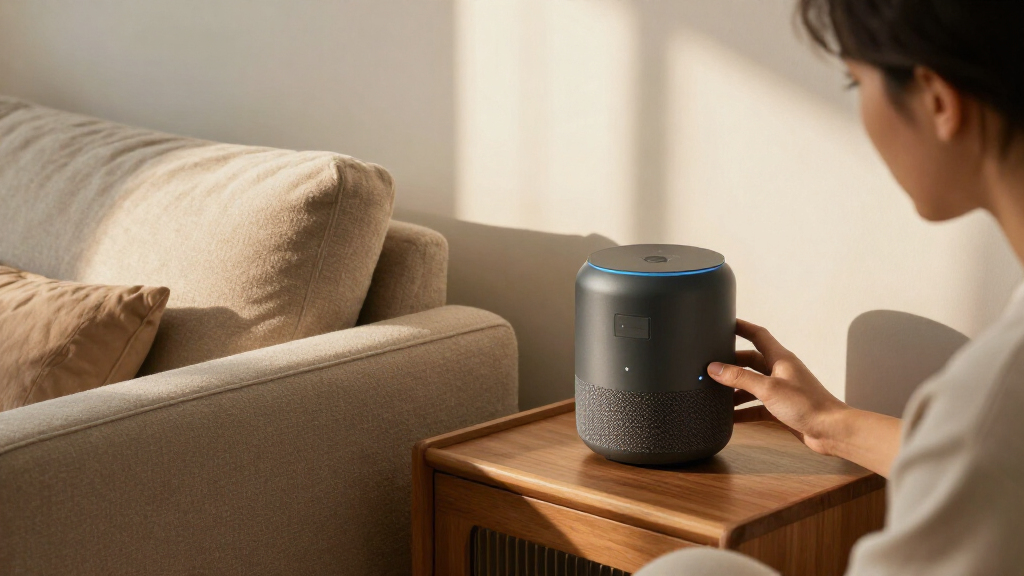

🔍 Read the full analysis: Choosing Between AI-Powered Home Automation Devices on ThorstenMeyerAI.com

Get business pricing on tech for your team
- Business-only prices and quantity discounts
- Tax-exempt purchasing
- Multiple users, one account, clear invoices
TL;DR
A comparison published by ThorstenMeyerAI.com says Matter-compatible devices are a stronger starting point for households that want to mix brands or retain the option to change platforms. Proprietary systems may offer simpler setup and deeper features within one manufacturer’s ecosystem, but can make future choices more limited. Device and platform support, privacy practices, and local operation vary, so buyers should check specific products rather than assume all features carry across.
ThorstenMeyerAI.com has published a comparison of Matter-compatible home automation devices and proprietary systems, describing a choice between cross-brand flexibility and tighter integration within one manufacturer’s ecosystem. The comparison says Matter is generally a better starting point for people who expect to mix brands or may change platforms, while a proprietary system may suit buyers who value its specific features and a more unified setup.
Both approaches can automate lights, locks, climate controls, and routines, and may incorporate machine learning or voice assistants. The source identifies the main distinction as how much freedom buyers want when selecting devices and platforms. Matter is designed to let participating products work across supported platforms, but compatibility with the standard does not guarantee that every device feature is available in every app or controller. For additional device options, see these AI-powered home automation devices.
That limitation matters for advanced automations and AI features. Basic device controls may be available through a Matter connection while special routines, sensor information, or manufacturer-specific functions remain tied to the maker’s software. Proprietary systems can coordinate products within their own range more closely, but the source says that can leave buyers dependent on the manufacturer’s device selection, software decisions, account policies, and continued support.
The comparison also finds no universal winner for setup, reliability, privacy, or cost. A single-brand system may be easier to manage through one app, while a mixed Matter setup can require buyers to check which device features their chosen controller supports. Matter devices may communicate locally, but actual behavior depends on the product and controller. Neither approach has one uniform privacy policy or guarantees local operation across every device.
How the Choice Shapes Future Flexibility
The decision affects more than the first installation. A household that chooses products across participating Matter brands may have more room to change devices or controllers, provided the specific products and features it relies on are supported. That can matter when a household adds equipment over time, replaces a device, or wants to use a different platform.
A proprietary system may instead make sense when its particular integrations or routines address a real need. A single ecosystem can reduce the effort of managing multiple apps and may expose features that are not available through a shared standard. The trade-off is that expansion and migration can become harder if the preferred device is unavailable in that ecosystem or if switching means losing features or replacing equipment.
For buyers, the practical question is whether a manufacturer-specific benefit is worth the narrower path it may create. The comparison advises checking the exact automation, device support, and platform compatibility that matter, rather than choosing on the basis of a general label such as “AI-powered.”
Products Worth Considering

Bose QuietComfort Wireless Bluetooth Noise-Cancelling Headphones, Ice Blue

EcoFlow DELTA 3 Portable Power Station, 1024Wh, 1800W

Logitech MX Master 4 Ergonomic Wireless Mouse with Haptics – Graphite
As an affiliate, we earn on qualifying purchases.
What Matter Compatibility Covers
The source describes Matter as a shared compatibility standard for participating smart home products and platforms. Its purpose is to support cross-brand connections, but it does not make every product’s full feature set interchangeable. Buyers may still need to confirm support for both the device and the functions they plan to use.
Proprietary systems take a different approach: they are often designed around one maker’s products and selected partners. That can support more coordinated features within the ecosystem, though the available choices may be narrower. The comparison names Hubitat, SwitchBot, and Green as examples of products or systems to consider, but its source material does not provide enough independent product specifications or testing details to establish how each performs against the others.
“Matter is the stronger starting point for people mixing brands or planning for future changes; a proprietary system suits buyers who value a unified experience and are comfortable with its ecosystem.”
— ThorstenMeyerAI.com comparison
Device Features Still Vary
The source does not identify a specific test method, compare named devices in a controlled evaluation, or give prices, benchmark results, or a publication date. Its recommendations should be read as general buying guidance, not as evidence that every Matter product is more flexible or every proprietary system is easier to use.
It also remains product-specific whether a device operates locally, relies on cloud services, supports the desired routines, or shares particular data with its manufacturer or platform. Matter alone does not establish a common privacy policy. The comparison does not provide detailed privacy terms, long-term support commitments, or compatibility lists for particular device and controller combinations.
Check Support Before Buying
Before choosing a system, buyers should list the devices and automations they need, then verify that each product supports the chosen controller and the specific features they expect to use. They should check whether routines depend on a manufacturer’s app, whether local control is available, and whether subscriptions or additional hardware affect the total cost.
Households that already own devices should also confirm how those products work with a new platform before adding a hub or replacing equipment. The source material does not announce a product launch or provide a scheduled follow-up; the next practical step is product-by-product compatibility and policy checks as buyers make their selections.
Key Questions
Is Matter always the better choice for home automation?
No. The comparison favors Matter for cross-brand choice and future flexibility, but says a proprietary system can be a better fit when its specific integrations or routines matter more to the buyer.
Does Matter support every feature on a compatible device?
No. Basic controls may work across a supported connection while advanced routines, sensor data, or manufacturer-specific functions remain limited to a particular app or platform. Check support for the feature you plan to use.
Which option is easier to set up?
It depends on the household. A single-brand system may be simpler when all devices are supported in one app. Matter can be straightforward with a compatible controller, but mixing products may require extra checks.
Does Matter guarantee local control or better privacy?
No. The source says some Matter devices can communicate locally, but behavior varies by device and controller. Privacy practices are set by the relevant manufacturers and platforms, so buyers should review their policies.
What should I check before buying an AI-powered device?
Confirm compatibility with your controller, support for the specific automation or AI feature you want, local and cloud requirements, privacy terms, and any subscription or hub costs.
Source: ThorstenMeyerAI.com