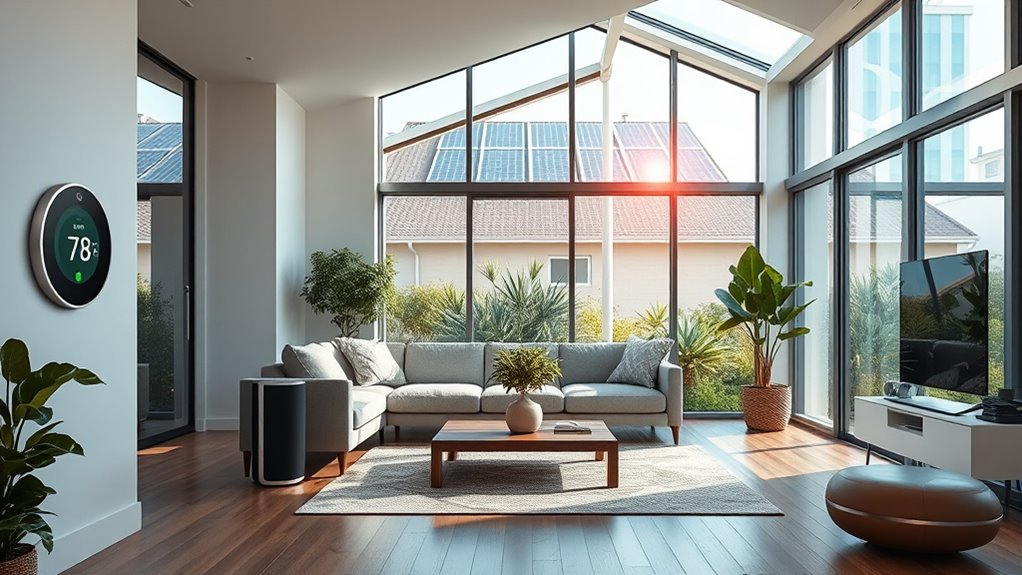

To set up a carbon-neutral smart home, start with a clear plan that integrates renewable energy sources like solar panels and smart energy management systems. Focus on improving efficiency by installing smart thermostats, energy-efficient appliances, and smart lighting. Insulate well and control devices remotely for ideal use. Combine these elements seamlessly to create an eco-friendly, sustainable home. Keep exploring to discover how these steps come together for maximum impact and effectiveness.
Key Takeaways
- Develop a comprehensive plan focusing on renewable energy integration, energy efficiency, and seamless system automation.
- Install solar panels or small-scale wind turbines paired with smart energy management for real-time monitoring.
- Incorporate smart thermostats, lighting, and appliances to optimize energy use and minimize waste.
- Ensure all devices and systems are interconnected for centralized control and automation.
- Add sustainable features like water filtration and enhanced insulation to support a holistic, eco-friendly home.

Setting up a smart home can seem overwhelming at first, but with a clear plan, it becomes straightforward. The goal is to create a space that’s efficient, sustainable, and minimizes your carbon footprint. To do that, you need to focus on integrating renewable energy sources and optimizing energy efficiency throughout your home. Start by evaluating your current energy use and identifying areas where you can improve. This will help you determine what smart devices and systems you need to implement to make your home both eco-friendly and cost-effective.
Creating a sustainable smart home begins with planning, energy assessment, and integrating eco-friendly technologies.
One of the most impactful steps is installing renewable energy systems, like solar panels or small-scale wind turbines. These systems allow you to generate clean energy right on your property, reducing reliance on fossil fuels and lowering your overall carbon emissions. When choosing solar panels, consider high-efficiency models that maximize energy production even in limited space. Pairing these with smart energy management systems enables you to monitor your energy production and consumption in real time, helping you make smarter decisions about when to use power or store it for later. This way, you’re actively reducing waste and ensuring your energy use aligns with renewable sources.
Incorporating energy efficiency into your setup is equally important. Use smart thermostats to optimize heating and cooling, which accounts for a significant portion of energy use in most homes. These devices learn your schedule and adjust temperatures accordingly, preventing unnecessary energy consumption. Smart lighting systems are another way to improve efficiency—they turn off automatically when rooms are unoccupied and can be dimmed or brightened based on natural light levels. All these devices can be controlled remotely via a central hub or app, giving you full oversight and control over your energy usage.
Additionally, you should consider investing in energy-efficient appliances and smart power strips. These help reduce standby power and prevent energy waste. When combined with renewable energy sources, they make your home not just smarter but genuinely carbon-neutral. Make sure your home’s insulation and windows are up to date, as well-sealed spaces reduce the workload on your heating and cooling systems, amplifying your energy savings.
Understanding the importance of whole-house water filtration systems can further support a sustainable lifestyle by ensuring clean, healthy water without excessive resource use. Ultimately, setting up a carbon-neutral smart home involves thoughtful integration of renewable energy and energy-efficient technology. It’s not about making drastic changes overnight but creating a cohesive system that works together seamlessly. By focusing on these core elements, you’re taking meaningful steps toward a more sustainable lifestyle while enjoying the convenience and control that smart home technology offers. With patience and planning, you’ll find that building a home that’s both smart and eco-friendly is entirely achievable.

Renogy N-Type 400 Watt Solar Panel 24 Volt, 2Pcs 200W Solar Panels 16BB 25% High-Efficiency, PV Module Power Charger for RV Marine Cabin Roof Home Farm Battery and Other Off-Grid Applications
【Perfect Size for Class B Vans】This 400w solar panel is 7.5% smaller and 11.7% lighter than its predecessor,…
As an affiliate, we earn on qualifying purchases.
As an affiliate, we earn on qualifying purchases.
Frequently Asked Questions
How Can I Track My Home’s Carbon Footprint Effectively?
You can track your home’s carbon footprint effectively by monitoring your energy consumption regularly with smart meters or energy apps. These tools give real-time data, helping you identify high usage areas. Keep an eye on your utility bills and choose energy-efficient appliances. By actively analyzing this information, you’ll see how your habits impact your carbon footprint and can make smarter, greener choices to reduce it over time.
What Are the Most Affordable Sustainable Energy Options for Smart Homes?
You can choose affordable sustainable energy options like solar panels or small-scale wind turbines, which are renewable energy sources. Look for cost-effective solutions such as community solar programs or government rebates that reduce upfront costs. Installing energy-efficient appliances and smart thermostats also helps lower your overall energy consumption. These options make it easier to power your smart home sustainably without breaking the bank, helping you lower your carbon footprint effectively.
How Do I Ensure Data Privacy With Smart Home Devices?
To guarantee data privacy with smart home devices, you should prioritize strong data security practices and address privacy concerns. Always change default passwords, enable two-factor authentication, and keep firmware updated. Review device privacy settings regularly and limit data sharing. Use a secure Wi-Fi network and consider a separate network for smart devices. Being proactive helps protect your personal information and minimizes the risk of privacy breaches.
Can Existing Homes Be Retrofitted to Become Carbon-Neutral Smart Homes?
Think of retrofitting your home like upgrading a classic car—possible, but it takes effort. You can transform your existing home into a carbon-neutral smart home, but retrofit challenges like wiring, insulation, and system integration may arise. Focus on boosting energy efficiency through smart thermostats, solar panels, and efficient appliances. With careful planning and upgrades, your home can run greener without starting from scratch, making a sustainable difference.
What Incentives or Rebates Are Available for Eco-Friendly Smart Home Upgrades?
You can take advantage of government incentives and rebate programs when upgrading your home to be more eco-friendly. These programs often offer financial incentives for installing energy-efficient appliances, smart thermostats, and solar panels. Check local, state, or federal websites to find current rebates and incentives available in your area. Act now to reduce your carbon footprint and save money while making your home smarter and greener.

ecobee Smart Thermostat Essential – Energy Star Certified programmable Wi-Fi Thermostat – Works with Siri, Alexa, and Google Assistant
Save up to 23% every year on heating and cooling costs, adjusts to your set schedule to save…
As an affiliate, we earn on qualifying purchases.
As an affiliate, we earn on qualifying purchases.
Conclusion
As you finish setting up your smart home, remember that technology alone isn’t enough—you’re balancing innovation with responsibility. While your devices reduce energy use, they also remind you of your impact on the planet. Embrace this blend of progress and mindfulness, knowing that your choices shape a sustainable future. In a world of endless connectivity, it’s your conscious actions that truly make your home—and the world—a greener place.

Meross Smart Energy Consumption Monitor with 18 Circuit Monitoring, Electricity Usage Monitor, Real-Time Power Usage Monitor, Home Assistant Support, Smart Alerts, No Subscriptions, 2-Year Warranty
SAFE & RELIABLE: Meross smart energy consumption monitor is ETL‑certified and compliant with the UL 61010 testing standard,…
As an affiliate, we earn on qualifying purchases.
As an affiliate, we earn on qualifying purchases.
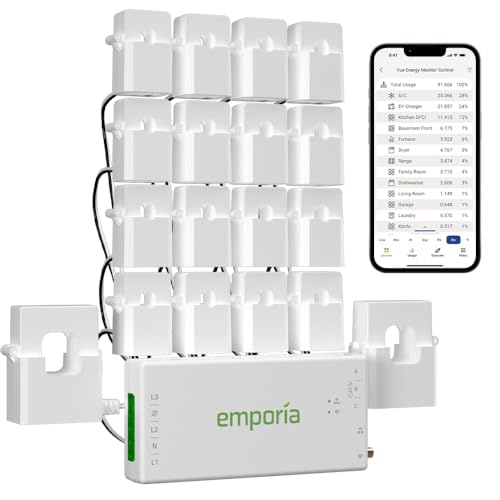
Emporia Vue 3 Home Energy Monitor – Smart Home Automation Module and Real Time Electricity Usage Monitor, Power Consumption Meter, Solar and Net Metering for UL Certified Safe Energy Monitoring
SAFETY YOU CAN TRUST WITH UL CERTIFICATION: With Emporia Energy, your home energy monitoring is safe, reliable, and…
As an affiliate, we earn on qualifying purchases.
As an affiliate, we earn on qualifying purchases.