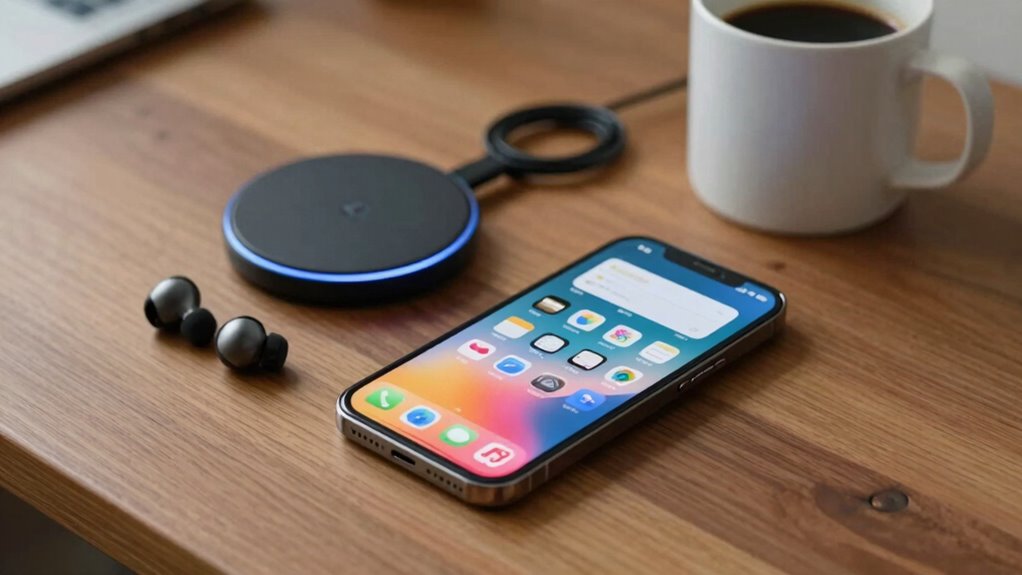

Top tech products create habit loops by designing intuitive interfaces that make actions feel natural and satisfying. They use cues like notifications and badges to prompt engagement, while rewards such as likes or messages reinforce behaviors with instant gratification. Optimized feedback and positive experiences make these actions automatic over time. By understanding user motivations and maintaining trust through responsible data handling, these products foster long-term habits. Stay tuned to discover how these strategies build lasting user engagement.

Get tech for your team delivered free — and shop member deals
- Fast, free delivery on millions of items
- Access to Prime Big Deal Days deals on October 6–7
- Prime Video, Amazon Music and more included
Key Takeaways
- Well-designed interfaces provide intuitive cues and immediate rewards, reinforcing repeated user actions.
- Notifications and badges act as subtle prompts that trigger habitual engagement.
- Consistent positive feedback, like likes or messages, reinforces behavior and makes it automatic.
- Balancing personalization with privacy builds trust, strengthening the cue-reward cycle.
- Applying behavioral psychology principles ensures experiences resonate and promote long-term habits.

In today’s fast-paced world, the best tech products don’t just make life easier—they also shape our habits. They do this by creating habit loops that keep us coming back, often without us even realizing it. At the core of this process is a well-designed user interface that guides your actions seamlessly. When you open an app or platform, the interface influences how quickly you can perform tasks and how engaging the experience feels. Intuitive menus, clear icons, and responsive feedback make interactions satisfying, encouraging you to repeat the behavior. Over time, these small, positive experiences reinforce a habit loop: cue, routine, and reward.
Well-designed interfaces create seamless habits through intuitive cues, satisfying interactions, and positive reinforcement over time.
But it’s not just about making things easy; tech companies also rely heavily on data privacy considerations to build trust and secure ongoing engagement. When you feel confident that your data is protected, you’re more likely to stay connected with a product. Conversely, if data privacy is compromised or poorly handled, it can break the habit loop, making you more hesitant or switching you to competitors. The best tech products strike a delicate balance—they use data responsibly to personalize your experience without crossing privacy boundaries. This careful handling builds trust, which becomes a key cue in your habit loop—reminding you that this is a safe, reliable space to spend your time.
The process of creating a habit loop involves more than just user interface design and data privacy. It’s about understanding your needs and motivations and then embedding subtle cues that prompt you to act. Notifications, badges, or reminders act as cues that trigger an action—like opening your favorite social media app or checking your email. When these actions are rewarded with instant gratification—likes, comments, new messages—they reinforce the behavior, making it more likely to become routine. Over time, these cues and rewards become automatic, and the routine feels natural. Additionally, behavioral psychology plays a significant role in shaping these patterns, helping developers craft experiences that resonate on a subconscious level. Incorporating natural user interfaces can further enhance this process by making interactions feel more intuitive and engaging. Moreover, understanding user needs and motivations is essential for designing habit loops that truly resonate and sustain user engagement over the long term. By aligning design strategies with insights from dog training principles, developers can create more engaging and effective user experiences that foster lasting habits.
Furthermore, understanding the philosophical insights on existence and ethics behind user trust can help developers craft more ethically responsible designs that promote user well-being.
As an affiliate, we earn on qualifying purchases.
Frequently Asked Questions
How Do Habit Loops Influence User Retention Over Time?
Habit loops influence your retention by reinforcing your behavior through consistent reward cycles. When you receive a satisfying reward after an action, it strengthens the connection, making you more likely to repeat the behavior. Over time, this behavior reinforcement creates a loop that keeps you engaged. The more satisfying the reward cycle, the more entrenched the habit becomes, ensuring you return to the product regularly without conscious effort.
What Psychological Triggers Are Most Effective in Creating Habit Loops?
The most effective psychological triggers for creating habit loops involve behavior reinforcement through positive feedback and cue association. When your actions lead to immediate rewards, your brain reinforces the behavior, making it more likely you’ll repeat it. Additionally, associating specific cues—like notifications or visuals—with desired actions strengthens the habit. This combination taps into your subconscious, driving consistent engagement and making the behavior feel automatic over time.
Can Habit Loops Lead to Overdependence on Technology?
Imagine your habits like a river, flowing steadily with each tech interaction. Habit loops can lead to overdependence on technology, fostering tech addiction and behavioral dependence. You might find yourself constantly drawn back, like a magnet pulling you toward screens. This dependency can blur boundaries, making it hard to disconnect. Staying aware of these patterns helps you regain control, ensuring technology remains a helpful tool, not a dominating force in your life.
How Do Personalized Notifications Impact Habit Formation?
Personalization effects make notifications more relevant, increasing your engagement and reinforcing habit formation. Notification psychology shows that personalized alerts grab your attention quickly, prompting immediate action and creating a habit loop. When notifications are tailored to your preferences, you’re more likely to respond regularly, making the behavior habitual. However, this can also lead to overdependence if you start relying heavily on these personalized cues for your daily routines.
Are There Ethical Considerations in Designing Habit-Forming Tech?
Yes, designing habit-forming tech raises ethical concerns, especially around privacy and user autonomy. You should prioritize transparency about data collection and avoid manipulating users into excessive use. Respecting privacy concerns means giving users control over their information, while supporting user autonomy involves designing features that empower rather than manipulate. Balancing engaging experiences with ethical responsibility guarantees you build trust and create products that respect users’ rights.
As an affiliate, we earn on qualifying purchases.
Conclusion
As you navigate your daily life, these tech products become like steady stars guiding your habits. Their design acts as a lighthouse, illuminating your path to routine and connection. By understanding the loops they create, you regain control, turning tools into allies rather than distractions. Remember, just as a compass points true north, awareness of these patterns keeps you grounded, ensuring technology serves your purpose—helping you forge meaningful habits instead of losing yourself in them.
instant gratification social media devices
As an affiliate, we earn on qualifying purchases.
As an affiliate, we earn on qualifying purchases.
privacy-focused user engagement tools
As an affiliate, we earn on qualifying purchases.
As an affiliate, we earn on qualifying purchases.
Fall Picks
fall essentials
As an affiliate, we earn on qualifying purchases.