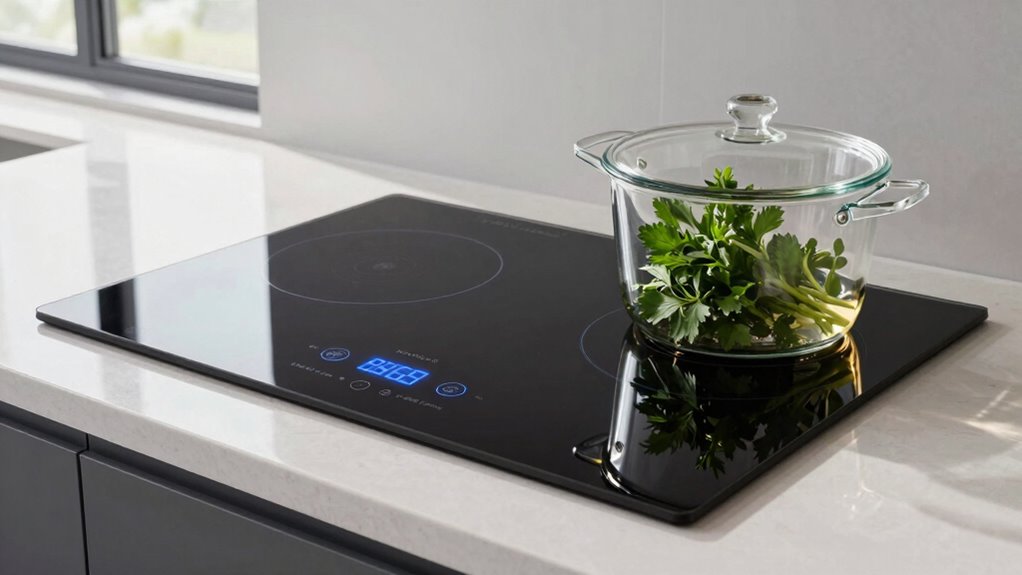

Before switching to induction cooking, make sure your cookware is compatible, preferably made of ferromagnetic materials like cast iron or certain stainless steels. Expect faster heating and precise control, but be aware of possible electromagnetic interference with electronic devices. The surface stays cool, reducing burns and safety risks, while installation might need a flat, stable space. Keep in mind the initial investment and learning curve, but staying informed will help you get the most out of your new setup.
Key Takeaways
- Ensure your cookware is compatible, made of ferromagnetic materials like cast iron or stainless steel.
- Expect faster heating and precise temperature control, requiring some adjustment in cooking techniques.
- Consider installation needs and potential modifications for a flat, stable surface.
- Be aware of electromagnetic interference and verify household electronics’ compatibility.
- Take advantage of safety features like automatic shut-off and cool surfaces, especially for households with children.
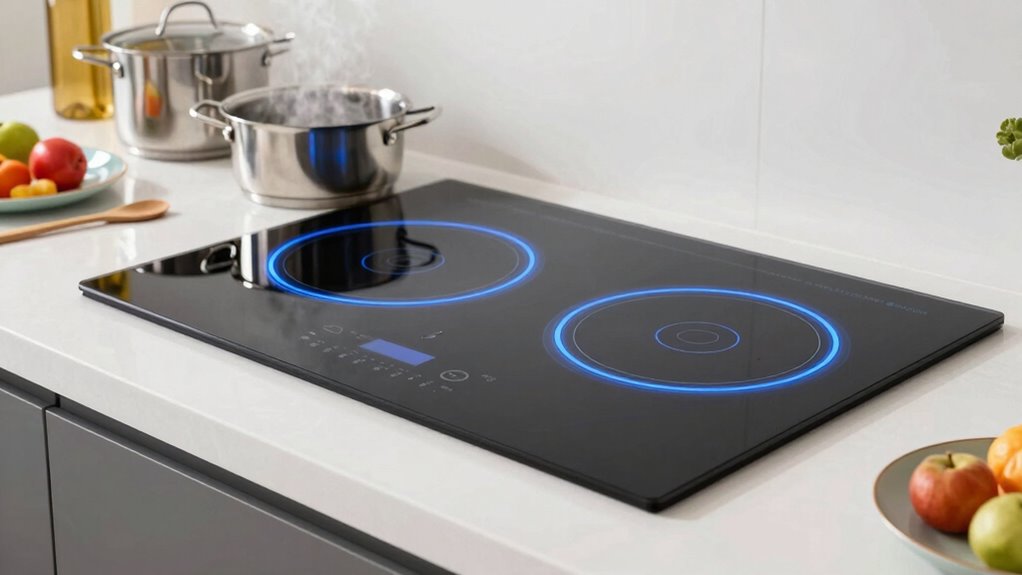
Are you contemplating switching to induction cooking but unsure if it’s the right choice for you? If so, you’re not alone. Many homeowners are drawn to induction for its quick heating and modern efficiency, but there are important factors to consider before making the leap. One of the biggest advantages of induction is its energy efficiency. Unlike traditional gas or electric stoves, induction directly heats your cookware through electromagnetic fields, which means less heat loss and faster cooking times. This can translate into lower energy bills and a more eco-friendly kitchen. However, to truly benefit from this efficiency, you need to ensure your cookware is compatible with induction cooking. Not all pots and pans work with induction stoves—only those made from ferromagnetic materials like cast iron or certain stainless steels. If your current cookware isn’t compatible, you’ll have to invest in new pieces, which can be an upfront cost to weigh.
Beyond cookware, you should also think about the overall design and setup of your kitchen. Induction cooktops have a sleek, smooth surface that’s easy to clean, but they require a flat, stable area for installation. If your current counters aren’t suitable, you might need to make modifications. Additionally, induction stoves use electromagnetic energy, which some people worry might interfere with electronic medical devices or sensitive appliances. While most modern induction units are safe and well-shielded, it’s worth checking if you or anyone in your household has specific health concerns or electronic sensitivities.
Another aspect to consider is the learning curve. Induction cooking heats so quickly that it can take some getting used to. You may find that your usual cooking times need adjustment, and you’ll want to experiment with temperature settings to get the results you want. Fortunately, induction stoves often come with precise controls, allowing you to fine-tune the heat for different recipes. This precision can actually improve your cooking once you’re familiar with how it responds.
Finally, think about safety. Induction cooktops don’t get hot themselves, only the cookware does, reducing the risk of burns. Plus, many models have safety features like automatic shut-off if a pan is removed or if overheating occurs. This makes induction a safer option for busy households or homes with children.

CAROTE 19pcs Pots and Pans Non Stick, Cookware Sets Detachable Handle, Induction Kitchen Pots and Pans,NonStick Cooking Set, Oven/Dishwasher/Fridge Safe, Space Saving
- Space-Saving Design: Handles detach for easy stacking and storage
- Easy Cleanup: Non-stick surface for effortless cleaning
- Versatile Use: Removable handle for oven, grill, fridge, and table
As an affiliate, we earn on qualifying purchases.
As an affiliate, we earn on qualifying purchases.
Frequently Asked Questions
Can I Use My Existing Cookware on Induction Stoves?
Yes, you can use your existing cookware on induction stoves if it’s compatible. Check Cookware compatibility by testing for magnetic properties—if a magnet sticks firmly to the bottom, it’s suitable for induction cooking. Materials like cast iron and certain stainless steel work well, while aluminum and glass won’t work unless they have a magnetic layer. Ensuring magnetic properties helps your cookware perform efficiently on induction surfaces.
Is Induction Cooking Safe for People With Pacemakers?
Induction cooking is generally safe for people with pacemakers, but you should consult your doctor first. Magnetic interference from induction stoves can affect pacemaker function, although modern devices are designed to minimize this risk. To stay safe, keep a safe distance from the cooktop while it’s on and avoid placing your pacemaker directly over the surface. Always prioritize professional medical advice for personalized safety guidance.
How Energy-Efficient Is Induction Compared to Gas or Electric?
Induction cooking is about 20-30% more energy-efficient than gas or electric stoves, helping you save on energy bills. You’ll notice faster heating and less wasted heat, which means lower energy consumption and a smaller environmental impact. This efficiency not only benefits your wallet but also reduces your carbon footprint. So, switching to induction can be a smart move for both your home’s energy savings and the planet’s health.
What Maintenance Is Required for an Induction Cooktop?
You’ll find that induction cooktops require minimal maintenance. Keep the surface clean by wiping it after each use with a damp cloth, avoiding abrasive cleaners. Regularly check the cooktop’s durability by inspecting for cracks or scratches. You may also want to occasionally clean the power settings and controls to guarantee they function smoothly. Overall, induction cooktops are durable, and proper upkeep keeps them performing at their best.
Are There Any Specific Cleaning Products Recommended for Induction Surfaces?
For cleaning your induction surface, stick with gentle, non-abrasive products to maintain its sleek look. Use cleaning tips like applying a soft cloth or sponge, avoiding harsh chemicals or steel wool. Product recommendations include specialized cooktop cleaners or a simple mixture of vinegar and water. Regularly wipe spills immediately, and always follow manufacturer instructions to keep your induction surface shining and functioning perfectly.

WAATFEET 1700W Portable Induction Cooktop,Electric Induction Cooker and Burner,Countertop Hot Plate with 10-Level Adjustment,3-Hour Timer,Smart Touch Cooktop,and Safety Lock Feature,Black
- Power Output: 1700W for versatile cooking
- Timer: 3-hour precise cooking timer
- Portability: Lightweight and easy to transport
As an affiliate, we earn on qualifying purchases.
As an affiliate, we earn on qualifying purchases.
Conclusion
Switching to induction cooking means embracing efficiency, safety, and precision. It’s about enjoying faster heat-up times, safer surfaces, and easier cleanup. It’s about upgrading your kitchen, simplifying your routine, and mastering new techniques. It’s about making smarter choices, embracing innovation, and transforming your cooking experience. So, prepare to explore, adapt, and thrive with induction—because your kitchen deserves the best, and you deserve the confidence that comes with making a well-informed switch.

DORMONT 30-3131KIT-48 Universal Gas Range Connection Kit
- Complete Gas Connector Kit: Includes 48-inch stainless steel connector and fittings
- Versatile Indoor and Outdoor Use: Certified for various home appliances and outdoor applications
- Durable Stainless Steel Construction: Corrosion-resistant, flexible, and leak tested
As an affiliate, we earn on qualifying purchases.
As an affiliate, we earn on qualifying purchases.
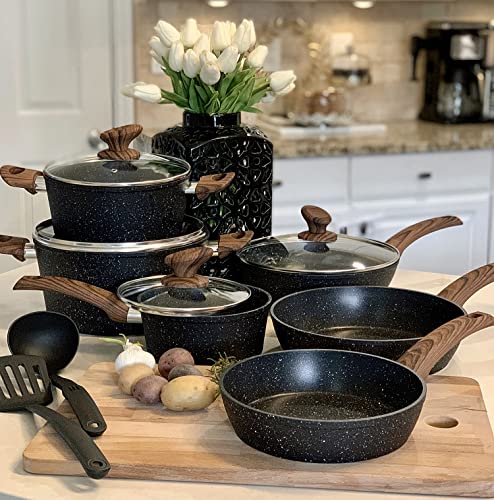
Kitchen Academy Induction Cookware Sets – 12 Piece Pots and Pans Set Non Stick, Black Granite Nonstick Cooking Pan Set(PFOS, PFOA Free)
- 12-Piece Nonstick Cookware Set: Includes various pots, pans, and utensils
- Induction Compatible: Suitable for induction cooktops
- Granite Nonstick Coating: Prevents food from sticking, easy to clean
As an affiliate, we earn on qualifying purchases.
As an affiliate, we earn on qualifying purchases.