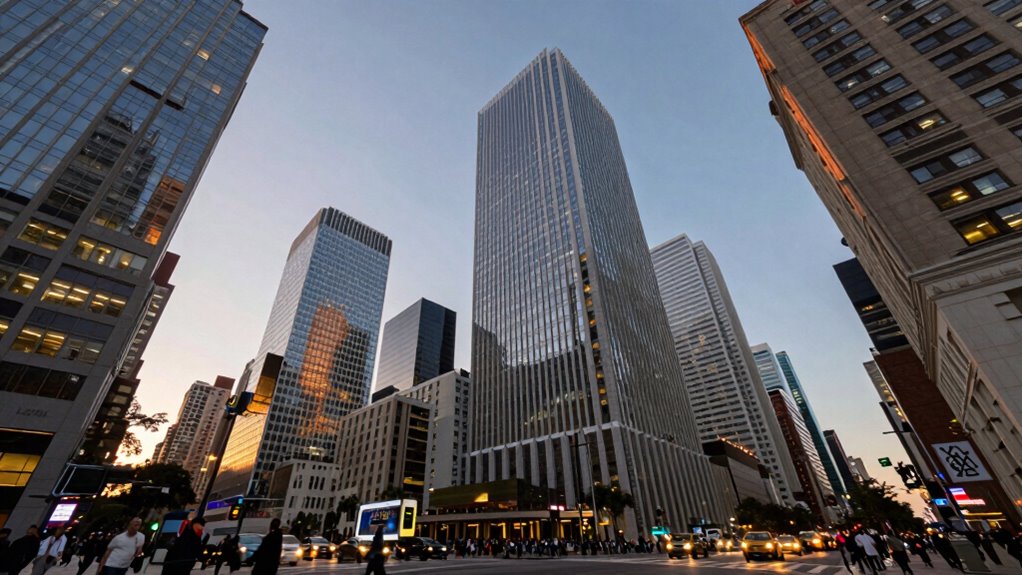

Choosing the right lens changes how you see and photograph the world around you. Your lens’s focal length affects what fits in the frame and how perspective looks, shaping your storytelling and mood. Aperture options give you control over light and background blur, influencing creative decisions. Whether you prefer wide-angle or telephoto, each lens type pushes your technique and style further. Explore these options, and you’ll gain access to new ways to craft powerful images—there’s more to discover beyond the basics.
Key Takeaways
- Different lenses influence scene coverage, perspective, and depth, shaping the overall visual storytelling and emotional impact.
- Prime and zoom lenses encourage varying shooting techniques, affecting mobility and spontaneous creativity.
- Aperture versatility allows for creative control over lighting, background blur, and exposure, enhancing artistic expression.
- Lens type determines framing flexibility, influencing composition style and the viewer’s perception of the subject.
- The choice of lens impacts technical workflow, scene planning, and how a photographer interacts with their environment.
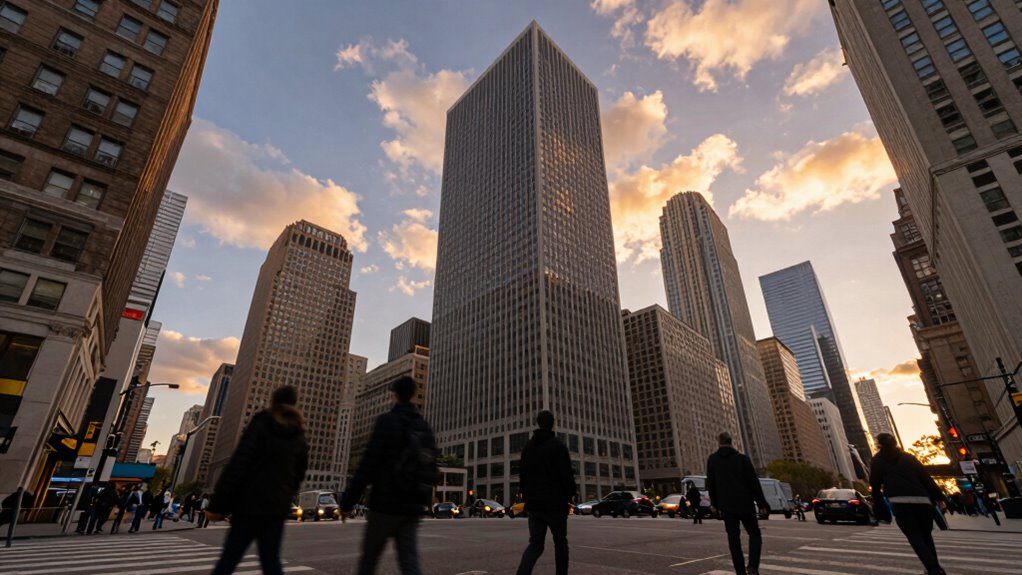
Choosing the right lens can dramatically transform how you experience photography, shaping not only the look of your images but also how you approach capturing scenes. When you select a lens, one of the most important factors to weigh is focal length. This determines how much of the scene you can include and how compressed or stretched the background appears. A wide-angle lens, with a short focal length, lets you capture expansive landscapes or tight indoor spaces, giving your images a sense of depth and scale. On the other hand, a telephoto lens, with a longer focal length, brings distant subjects closer, making it ideal for wildlife or sports photography. Your choice of focal length influences your perspective and storytelling, guiding the viewer’s eye through your images and shaping the overall mood. Additionally, understanding how focal length affects composition can help you craft more compelling visual narratives. Recognizing how different lenses affect perspective can also inspire new creative techniques and styles. Another critical aspect that impacts your experience is aperture versatility. The aperture controls how much light enters the lens, affecting both exposure and depth of field. Lenses with a wide maximum aperture, like f/1.4 or f/2.8, offer more flexibility in low-light conditions and allow you to create images with a beautifully blurred background—perfect for portraits or artistic shots. This versatility means you can adapt quickly to changing lighting conditions without switching lenses, giving you more spontaneity and control. Conversely, lenses with a narrower maximum aperture are often lighter, cheaper, and more compact, making them convenient for everyday use or travel. But they may limit your creative options in challenging lighting or when you want a shallow depth of field. Your lens choice also shapes your approach to composition and technique. With a prime lens that offers a fixed focal length, you might be encouraged to move around more, discovering new angles and perspectives. Zoom lenses, with adjustable focal lengths, give you quick versatility, allowing you to frame shots more spontaneously. The aperture versatility of each lens influences how you manage depth of field—whether you aim for sharp backgrounds or a soft, dreamy bokeh. Understanding the capabilities of your lens can help you better anticipate how it will perform in different scenarios, helping you make deliberate decisions rather than relying on post-processing to fix compositional issues. Proper lens selection can also influence how you capture natural beauty, as different focal lengths and apertures highlight specific features or create desired effects. Ultimately, your lens choice impacts your creative process and the emotional impact of your images. It’s not just about technical specifications but about how those specifications enable you to tell stories more effectively. By weighing focal length and aperture versatility, you take control of your camera experience, making each shot intentional and meaningful.

Altura Photo 58MM 0.43x HD Wide Angle Lens with Macro – Attaches to 58MM Filter Thread (Not Camera Body) – DSLR Accessories for Canon Rebel T7, T7i, T8i, T6i, T6s, T6, SL2, SL3, EOS 70D, 77D, 80D, 90D
LENS ATTACHMENT: Easily screws on to the front of your lens, and instantly expands the field of view…
As an affiliate, we earn on qualifying purchases.
As an affiliate, we earn on qualifying purchases.
Frequently Asked Questions
How Do Lens Types Affect Low-Light Photography?
Lens types considerably impact your low-light photography. A lens with a wide aperture offers greater aperture versatility, allowing more light to reach your sensor, which improves brightness and detail in dark settings. Additionally, optical stabilization helps reduce blur caused by hand movement, ensuring sharper images. Choosing a lens with these features enables you to capture clearer, more vibrant low-light photos, even without a flash, enhancing your overall shooting experience.
Can Lens Choice Impact Camera Durability?
In a flashback to the days of ancient scrolls, your lens choice can impact your camera’s durability today. Opting for lenses with sturdy lens material and weather sealing shields your gear from dust, moisture, and impacts. You’ll find that rugged lenses last longer, especially in harsh environments. So, pick a lens designed with durable materials and weather sealing, and your camera stays protected, ready for any adventure.
What Lenses Are Best for Filmmaking Versus Photography?
For filmmaking, you want lenses with versatile focal lengths, like 24-70mm or 50mm prime lenses, which allow smooth focus shifts and cinematic depth. Photography lenses, on the other hand, often favor fixed focal lengths like 85mm or 35mm for sharper images and better light. Adding lens accessories like filters or stabilizers enhances both uses, but consider focal length to match your storytelling or capturing style for ideal results.
How Does Lens Weight Influence Shooting Comfort?
Feeling the weight of your lens can sneak up on you, affecting your shooting comfort more than you think. Lighter lenses enhance ergonomics considerations, making extended shoots less tiring and improving stability. Plus, their portability benefits mean you can carry more gear effortlessly, capturing spontaneous moments without fatigue. So, choosing a lighter lens isn’t just about convenience — it’s about staying sharp and comfortable throughout your shoot, no matter how long it lasts.
Do Different Lenses Require Unique Camera Settings?
Yes, different lenses often require unique camera settings. You need to adjust your sensor compatibility, especially when switching between full-frame and crop sensors, to guarantee ideal image quality. Autofocus performance can also vary, so you might need to tweak focus modes or settings for sharp shots. Being aware of these differences helps you capture better images, no matter which lens you’re using, ensuring your camera functions smoothly and effectively.

BENOISON Telephoto Lens EF Lens for Canon, 420-800mm for Canon DSLR, Manual Focus MF Zoom Lens for Canon EOS Rebel SL3 SL2 SL1 T8i T7i T7 T6 4000D 1500D 90D 80D 77D 70D 60D 7D 6D 5D 1D DSLR
[Super Telephoto Lens] Manual focus telephoto lens, NOT original-lens, a focal length of 420-800mm and an aperture of…
As an affiliate, we earn on qualifying purchases.
As an affiliate, we earn on qualifying purchases.
Conclusion
So, next time you pick a lens, remember, you’re not just choosing a piece of glass—you’re selecting your entire photographic destiny. Who needs stability or clarity when you can have distortion and frustration? Embrace the chaos, because nothing says “art” like fighting with your gear to capture that perfect shot. After all, the right lens isn’t just about images; it’s about turning every click into a wild adventure—whether you like it or not.

Sony – FE 50mm F1.8 Standard Lens (SEL50F18F/2), Black
Large F1. 8 maximum aperture enables beautiful defocusing effects
As an affiliate, we earn on qualifying purchases.
As an affiliate, we earn on qualifying purchases.

Xenvo Pro Lens Kit for iPhone and Android, Macro and Wide Angle Lens with LED Light and Travel Case Black
✔ COMPATIBLE WITH ALL SMARTPHONES, TABLETS, and LAPTOPS including ALL iPhone models, Samsung Galaxy and Note, Google Pixel,…
As an affiliate, we earn on qualifying purchases.
As an affiliate, we earn on qualifying purchases.