
📊 Full opportunity report: Pocket Voice Lab: Innovating Gender-affirming Voice And Resonance Work on IdeaNavigator AI — validation score, market gap, and execution plan.

Get tech for your team delivered free — and shop member deals
- Fast, free delivery on millions of items
- Access to Prime Big Deal Days deals on October 6–7
- Prime Video, Amazon Music and more included
TL;DR
Pocket Voice Lab has introduced a new mobile app that offers real-time visual feedback on pitch and resonance for voice training. The app aims to address the gap in objective, accessible voice therapy for transgender people and vocal performers. Validation and market testing are underway.
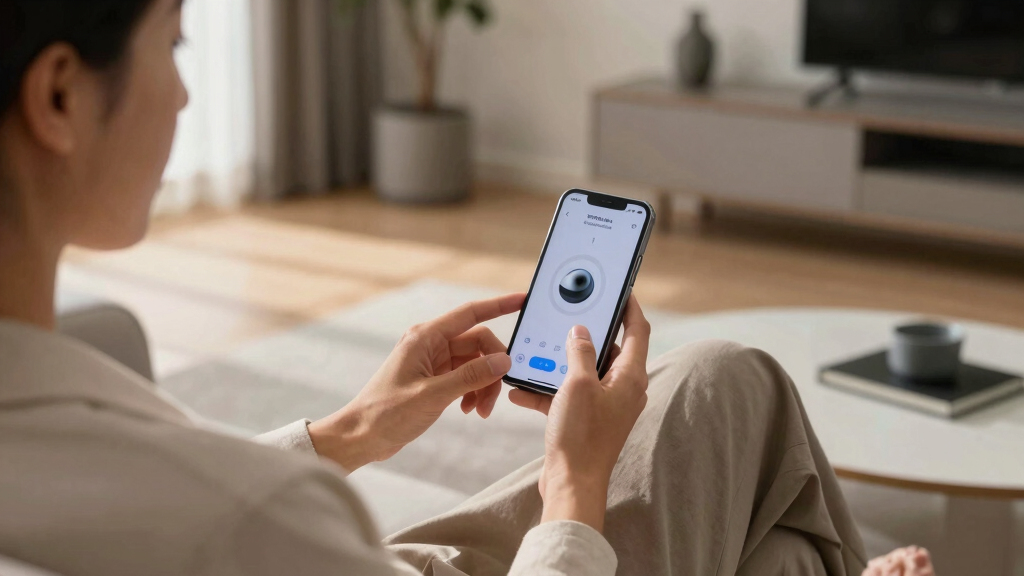
Pocket Voice Lab has launched a prototype of a mobile app that provides real-time visual biofeedback on pitch and resonance for voice training. The app targets transgender and gender-nonconforming individuals seeking gender-affirming voice modifications, as well as public speakers and singers. This development aims to fill a critical gap in accessible, objective feedback between in-person sessions, potentially transforming how voice work is practiced outside clinical settings.
The app allows users to record short voice samples and receive immediate visual feedback on fundamental pitch and resonance against personalized targets. It also includes a basic strain indicator based on harmonic-to-noise ratio, helping users avoid vocal strain. The initial release will feature 8-12 guided exercises tailored for gender-affirming voice feminization.
Developed using advancements in smartphone microphone technology and acoustic analysis, the app leverages peer-reviewed research that treats voice as a clinical biomarker, with existing prototypes like TruVox and Attuned validating the approach. The goal is to offer a tool that users can share with clinicians, track progress over time, and stay motivated between sessions. The business model includes a freemium subscription, with a paid tier offering unlimited sessions, detailed progress logs, and shareable reports.
Market testing involves a 4-week pilot with recruited participants from transgender voice training and public-speaking communities, measuring engagement and willingness to pay. The team plans to explore licensing options for clinics and speech therapists once the app proves effective.
Impact on Accessibility and Voice Therapy Outcomes
This innovation addresses a significant gap in access to objective, affordable voice training for transgender individuals and vocal professionals. By enabling real-time feedback via a smartphone, it reduces reliance on expensive, geographically limited in-person sessions. The app could improve voice modification success rates and motivation, while providing clinicians with valuable data. As voice is increasingly recognized as a clinical biomarker, this tool could also contribute to broader voice health monitoring and research, especially in underserved populations.
voice training app for gender affirmation
As an affiliate, we earn on qualifying purchases.
As an affiliate, we earn on qualifying purchases.
Growing Demand for Accessible Voice-Affirming Solutions
Current voice training for gender affirmation often involves in-person speech-language pathology or vocal coaching, which can be costly and inaccessible for many. Peer-reviewed studies have established that acoustic features like pitch, formants, and harmonic-to-noise ratios are critical for effective voice modification. Existing digital prototypes such as TruVox and Attuned have demonstrated the feasibility of smartphone-based biofeedback, validating the science and consumer interest. The gender-affirming voice care gap is well-documented, with many individuals seeking affordable, continuous support outside clinical settings.
Market data shows that voice training apps have seen increasing adoption, with over 4 million downloads for voice coaching tools like Vocal Image. The current development builds on this momentum, focusing on the specific needs of transgender and nonbinary users, as well as public speakers and performers seeking ongoing feedback and motivation.
“Advances in smartphone microphone technology and acoustic analysis now make real-time biofeedback practical without lab hardware.”
— an anonymous researcher
acoustic biofeedback voice therapy device
As an affiliate, we earn on qualifying purchases.
As an affiliate, we earn on qualifying purchases.
Unconfirmed Aspects of App Effectiveness and Adoption
It is not yet clear how effectively the app will improve voice outcomes compared to traditional therapy, or how users will respond to the biofeedback features in real-world settings. The pilot phase will provide initial data, but wider adoption and long-term benefits remain to be seen. Additionally, questions about privacy, data sharing with clinicians, and integration with existing therapy practices are still under consideration.
smartphone voice resonance trainer
As an affiliate, we earn on qualifying purchases.
As an affiliate, we earn on qualifying purchases.
Next Steps in Validation and Market Expansion
The team plans to conduct a 4-week pilot with recruited users to measure engagement, satisfaction, and willingness to pay. Pending positive results, they will refine the app and prepare for broader testing. Future phases include expanding guided exercises, adding multi-persona support, and exploring licensing deals with clinics and health providers. The goal is to validate the app’s effectiveness as a supplementary tool in clinical care and personal practice.
gender-affirming voice training tools
As an affiliate, we earn on qualifying purchases.
As an affiliate, we earn on qualifying purchases.
Key Questions
How does the app provide feedback on voice pitch and resonance?
The app records a voice sample and uses acoustic analysis to generate visual feedback on pitch and resonance, comparing it to user-set targets in real-time.
Who is the target user for this app?
The primary users are transgender and gender-nonconforming individuals seeking gender-affirming voice changes, as well as public speakers and singers looking for ongoing voice coaching support.
Will the app replace in-person therapy?
No, the app is designed as a supplementary tool to enhance practice and motivation between clinical sessions, not as a replacement for professional therapy.
When will the app be available for wider testing?
Wider testing will begin after the pilot phase, which is planned for the next few months. Further updates will depend on pilot results.
How will the app handle user privacy and data sharing?
Details are still being finalized, but privacy considerations and secure data sharing with clinicians will be key components of the final product design.
Source: IdeaNavigator AI
Fall Picks
fall essentials
As an affiliate, we earn on qualifying purchases.