
TL;DR

Get business pricing on tech for your team
- Business-only prices and quantity discounts
- Tax-exempt purchasing
- Multiple users, one account, clear invoices
A new AI-based drafting tool aims to help non-lawyer litigants and small businesses create legally sound demand letters and court filings. It verifies citations and formats documents for court submission, addressing common errors and legal language gaps.
Developers are introducing a new AI-powered tool designed to assist self-represented litigants and small businesses in drafting demand letters and court filings that meet legal standards. The tool aims to verify citations, ensure proper formatting, and reduce errors common among pro se litigants, addressing a critical gap in access to justice and legal accuracy.
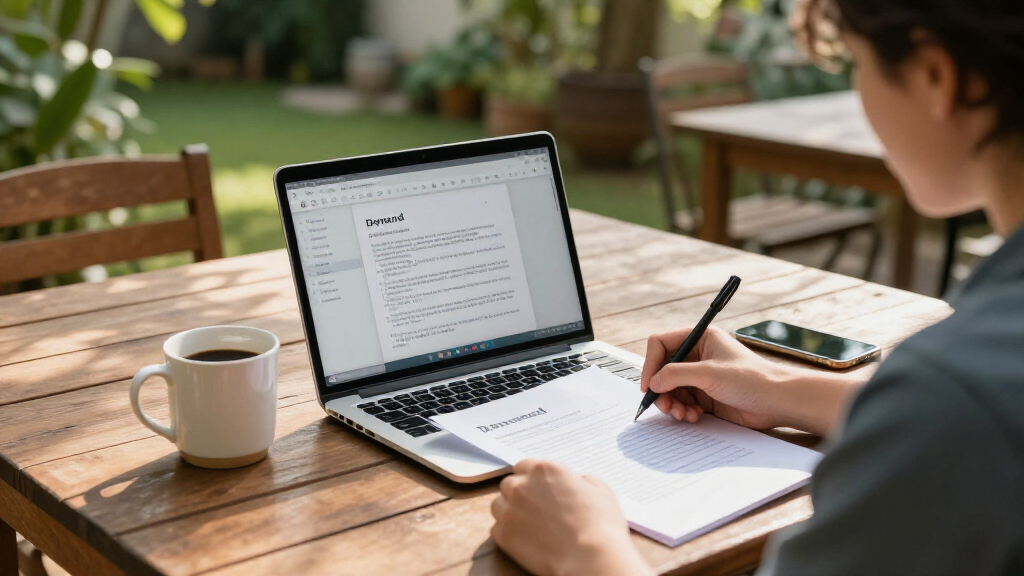
The proposed web application focuses on a narrow but vital workflow: generating demand letters and small-claims statements for cases like debt collection, eviction notices, or employment disputes. Users provide structured input—such as parties involved, amount owed, relevant contract details, and jurisdiction—and the tool produces a formatted, court-ready document.
What sets this apart is its integrated ‘lawsuit Grammarly’ feature, which flags weak or missing legal elements and verifies each citation against a real legal database, preventing hallucinated or incorrect references. This verification step aims to address the proliferation of AI-generated citations that have caused court sanctions and case delays.
According to developers, the system is designed for a freemium model: users can generate a single demand letter for free, with subsequent documents costing around $15-40 each. A subscription tier offers multiple filings, and a B2B option targets legal aid organizations and paralegals, aiming to improve access to affordable, accurate legal drafting tools.
Potential Impact on Self-Represented Litigants
This development could significantly improve the quality of legal documents filed by non-lawyers, reducing rejections and sanctions caused by citation errors or procedural mistakes. It addresses a pressing need, as roughly 3 of 5 people involved in U.S. civil cases appear without legal representation, and courts face increasing burdens from unverified or poorly drafted filings.
By providing a tool that verifies citations and ensures proper formatting, the platform could lower the cost barrier for small businesses and individuals seeking justice without lawyers, thereby improving access and fairness in civil litigation. The emphasis on court-formatting and citation accuracy is particularly relevant given the rise of AI-generated hallucinations that have led to sanctions and delays in courts nationwide.
legal document drafting software for demand letters
As an affiliate, we earn on qualifying purchases.
As an affiliate, we earn on qualifying purchases.
Rise of AI Tools in Legal Document Drafting
Over the past few years, AI language models have become increasingly prevalent in legal tech, often used for initial drafts, research, or document review. However, their tendency to invent or hallucinate citations has raised concerns, especially in court filings where accuracy is critical.
Self-represented litigants and small businesses frequently rely on generic chatbots or unverified AI tools, which can produce documents with fabricated references, risking sanctions or dismissal. The legal community has called for verification layers and court-specific formatting to address these issues.
Developers are now focusing on specialized AI tools that incorporate real legal databases and formal court formats, aiming to bridge the gap between AI convenience and legal accuracy, especially for users without access to legal counsel.
“Our goal is to create a user-friendly, citation-verified drafting assistant that helps non-lawyers produce court-ready documents without the risk of hallucinated citations.”
— an anonymous developer
AI legal citation verification tools
As an affiliate, we earn on qualifying purchases.
As an affiliate, we earn on qualifying purchases.
Uncertainties About Effectiveness and Adoption
It is not yet clear how well the tool will perform in real-world court filings, particularly regarding the accuracy of citation verification and compliance with jurisdiction-specific rules. The beta testing phase is ongoing, and user feedback will be crucial to refine the system.
Furthermore, adoption among self-represented litigants and small businesses depends on usability, affordability, and trust in the AI’s legal accuracy. The extent to which courts will accept documents generated or verified by AI remains uncertain.
court document formatting software
As an affiliate, we earn on qualifying purchases.
As an affiliate, we earn on qualifying purchases.
Next Steps for Development and Deployment
Developers plan to launch a beta version for testing with real users, focusing on demand letters and small-claims filings. They will gather feedback to improve citation verification, formatting, and user interface before a wider rollout.
A marketing campaign targeting small-business owners and self-represented litigants will gauge demand, with plans to offer pre-orders and initial manual fulfillment of documents to validate willingness to pay and usability.
Further, collaboration with legal professionals and courts may be pursued to ensure compliance and acceptance of AI-generated documents in formal proceedings.
self-represented litigant legal drafting tools
As an affiliate, we earn on qualifying purchases.
As an affiliate, we earn on qualifying purchases.
Key Questions
Can this AI tool replace a lawyer for drafting legal documents?
No, it is designed to assist non-lawyers by providing citation-verified, properly formatted drafts, but it does not replace legal advice or representation.
Will courts accept documents generated by this AI?
This is still uncertain; acceptance depends on jurisdiction-specific rules and how courts view AI-assisted filings. The tool aims to produce court-ready documents, but legal validation is ongoing.
How does the citation verification work?
The tool cross-checks all citations against a real legal database, preventing hallucinated or fabricated references that are common with generic AI models.
Is this tool available now?
The platform is currently in beta testing with plans for a wider launch in late 2024. Initial offerings will focus on demand letters and small-claims filings.
How much will it cost to use?
The basic draft will be free; additional documents will cost approximately $15-40 each, with subscription options available for multiple filings and organizational use.
Source: IdeaNavigator AI
Fall Picks
fall essentials
As an affiliate, we earn on qualifying purchases.