📊 Full opportunity report: Assessing The Strength Of Your Remote Workforce For Better Wellness on IdeaNavigator AI — validation score, market gap, and execution plan.

Get business pricing on tech for your team
- Business-only prices and quantity discounts
- Tax-exempt purchasing
- Multiple users, one account, clear invoices
TL;DR
Employers and benefits providers are exploring remote, camera-based assessments to measure employee musculoskeletal health. Pilot programs are underway to validate these tools, which could shift preventive care for remote workers.
Remote work strength assessments using smartphone cameras are being developed as a proactive method to identify early musculoskeletal (MSK) decline among remote employees. These tools aim to help HR and benefits leaders at mid-to-large companies prevent costly health issues before they escalate, addressing a rising concern linked to increased sedentary behavior in distributed workforces.
Remote and hybrid work arrangements have led to a surge in MSK problems such as neck, back, and posture-related issues, driven by reduced incidental movement and ergonomic challenges. Employers are increasingly concerned about rising medical claims and workday disruptions caused by these conditions, yet currently lack lightweight, scalable screening solutions for early detection. Exploring smart wellness devices can offer additional preventive insights.
Recent advances in smartphone camera technology, combined with pose estimation algorithms, now enable employees to perform guided strength, mobility, and posture tests at home without specialized sensors or clinical oversight. You can learn more about smart rings for sleep that support wellness monitoring. These assessments can generate personalized MSK risk scores, identify employees at higher risk, and suggest corrective routines, all within a privacy-conscious framework.
Several pilot programs are planned or underway, involving 2-3 employers testing the feasibility of deploying these assessments over 60-90 days. For more on innovative health monitoring, see the best smart rings for sleep that promote employee wellness.
Why Remote MSK Assessments Matter for Employee Health
These assessments could revolutionize preventive health strategies for remote workers, shifting the focus from reactive treatment to early intervention. By identifying MSK risks before symptoms develop, employers may reduce healthcare costs, decrease lost workdays, and improve overall employee wellness. Additionally, these tools offer a scalable, privacy-preserving way to monitor team health trends, enabling targeted support and referrals to clinical providers when needed.
Given that MSK issues are a leading driver of workplace medical claims, especially in remote settings, early detection could lead to significant cost savings and productivity gains. Benefits brokers and HR leaders view this as an opportunity to expand digital health offerings and strengthen employee engagement around wellness programs.
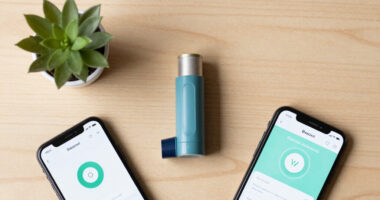
smartphone camera musculoskeletal assessment device
As an affiliate, we earn on qualifying purchases.
As an affiliate, we earn on qualifying purchases.
Background on Remote Work and Musculoskeletal Risks
The shift to remote and hybrid work has persisted since the COVID-19 pandemic, with a substantial portion of knowledge workers continuing to operate outside traditional office environments. While remote work offers flexibility, it also diminishes incidental movement—such as walking to meetings or commuting—leading to increased sedentary behavior.
Research indicates that prolonged sitting and poor ergonomic setups contribute to MSK problems like neck pain, lower back discomfort, and shoulder stiffness. These conditions are now among the top causes of work-related health claims, with costs rising for employers and insurers alike.
Existing preventive programs are often reactive, relying on employees to report pain or discomfort, which typically results in delayed intervention. The need for proactive, scalable screening tools that can be deployed remotely has become urgent, especially as remote work continues to be a permanent fixture for many organizations.
Recent technological advances in smartphone-based pose estimation, originally developed for fitness and gaming applications, now offer a promising pathway for scalable health assessments. These tools can measure movement quality and posture, providing early indicators of MSK decline without requiring employees to visit clinics or use specialized equipment.
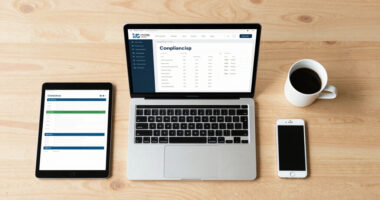
remote employee posture and mobility test tools
As an affiliate, we earn on qualifying purchases.
As an affiliate, we earn on qualifying purchases.
Uncertainties Around Validation and Adoption Speed
It remains unclear how accurately these camera-based assessments will correlate with clinical MSK evaluations, such as those performed by physical therapists. Validation efforts are ongoing, with initial pilot data expected in early 2024, but definitive results are not yet available.
Additionally, questions persist about employee willingness to participate, privacy concerns, and the scalability of integrating these assessments into existing HR and benefits platforms. The pace at which employers will adopt and expand these tools depends on pilot outcomes, regulatory considerations, and vendor maturity.
As an affiliate, we earn on qualifying purchases.
Next Steps for Pilot Validation and Broader Rollout
In the coming months, organizations involved in pilot programs will analyze completion rates, score validity, and employee engagement metrics. If results demonstrate reliability and high participation, broader deployment could follow in mid-2024.
Further development will focus on refining assessment algorithms, expanding integration with clinical referral networks, and addressing privacy and compliance concerns. Industry stakeholders will monitor pilot outcomes closely to determine the potential for widespread adoption across diverse employer segments.
Regulatory guidance and standards for remote MSK assessments may also evolve, shaping future deployment strategies and reimbursement models.
employee ergonomic assessment kits
As an affiliate, we earn on qualifying purchases.
As an affiliate, we earn on qualifying purchases.
Key Questions
How do remote MSK assessments work using smartphone cameras?
Employees perform guided movements, such as sit-to-stand or shoulder rotations, while the camera captures their motion. Pose estimation algorithms analyze the footage to score movement quality and posture, generating a personalized risk profile.
Are these assessments accurate enough to replace clinical evaluations?
Initial validation efforts aim to compare camera-derived scores with established clinical questionnaires and physical therapist assessments. Results are pending, but early indications suggest they can serve as effective screening tools.
What privacy measures are in place for remote assessments?
Assessments are designed to be privacy-safe, with data processed locally on devices and only anonymized, aggregate insights shared with employers. No video footage is stored or transmitted without explicit consent.
When will these tools be widely available for employers?
Pilot programs are expected to conclude in early 2024, with broader rollout contingent on validation results. If successful, commercial availability could follow by mid to late 2024.
How can employers integrate these assessments into their wellness programs?
Employers can incorporate the assessments into existing digital health platforms, offering employees a simple, accessible way to monitor their musculoskeletal health and receive tailored recommendations.
Source: IdeaNavigator AI
Fall Picks
fall essentials
As an affiliate, we earn on qualifying purchases.