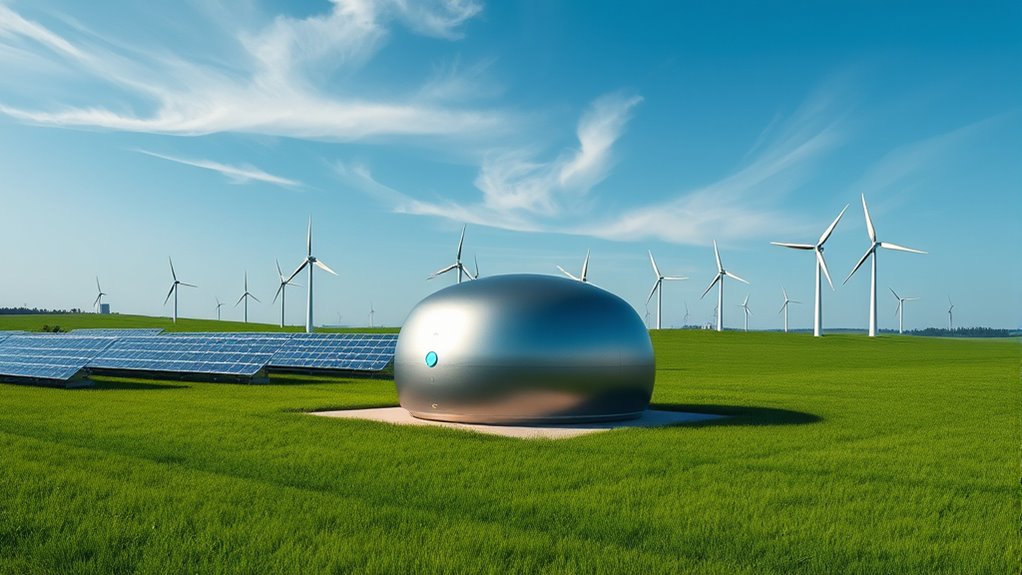

Small Modular Reactors (SMRs) are a game-changer in creating cleaner energy. They are designed to be safer, more flexible, and environmentally friendly than traditional reactors. These compact units can be built in factories and transported to sites quickly. SMRs produce minimal waste and support advanced fuel recycling. As you explore further, you’ll discover how these innovations are shaping a sustainable and safe energy future for various regions worldwide.
Key Takeaways
- SMRs are compact, factory-built reactors offering safer, scalable, and flexible nuclear power solutions for cleaner energy production.
- They produce minimal greenhouse gases, supporting sustainability and climate goals.
- Advanced safety features and waste reduction technologies improve overall reactor safety and waste management.
- SMRs can be integrated with future fusion energy, enhancing long-term clean energy strategies.
- These innovative reactors enable quicker deployment and broader access to nuclear energy worldwide.

Have you ever wondered how nuclear technology is evolving to meet modern energy needs? One exciting development is the rise of small modular reactors (SMRs), which are designed to provide cleaner, more flexible, and safer nuclear power. Unlike traditional large reactors, SMRs are compact and can be manufactured in factories before being transported to sites. This modular approach allows for quicker deployment and easier scaling, making nuclear energy more accessible and adaptable to different regions. As the world seeks sustainable solutions, SMRs stand out because they produce minimal greenhouse gases and can operate continuously, providing a reliable energy source for decades.
A key advantage of these reactors is their potential to address concerns about nuclear waste management. Because SMRs are designed to operate with enhanced safety features and produce less waste overall, managing nuclear waste becomes more manageable. Many of these reactors utilize advanced fuel cycles that reduce the volume and toxicity of nuclear waste, making storage and disposal safer. This focus on waste reduction aligns with the broader goal of making nuclear energy safer and more environmentally friendly. Additionally, some designs incorporate reprocessing technologies that allow for recycling spent fuel, further minimizing waste and maximizing fuel efficiency.
Looking ahead, fusion energy remains a promising complement to fission-based SMRs, aiming to create even cleaner energy sources. Fusion promises to deliver abundant power with virtually no long-lived radioactive waste, addressing one of the main concerns linked to traditional nuclear technology. Although fusion is still in development, integrating it with existing fission systems could revolutionize how we produce and manage energy in the future. Meanwhile, SMRs offer a practical, near-term solution that can be deployed worldwide to reduce reliance on fossil fuels and lower carbon emissions.
As you consider the future of energy, it’s clear that these advanced nuclear technologies are transforming the landscape. Small modular reactors provide a pathway to safer, more sustainable nuclear energy while tackling the challenges of nuclear waste management head-on. They also serve as a bridge toward the potential of fusion energy, which could eliminate many of the environmental concerns associated with current nuclear power. By investing in these innovations now, you’re helping to pave the way for a cleaner, more resilient energy system that meets the demands of modern society without compromising the health of our planet.

Plastic Arc Reactor – Kit (Now with Latest Arc Reactor Design Included)
Wearable Arc Reactor Kit (PLASTIC ONLY)
As an affiliate, we earn on qualifying purchases.
As an affiliate, we earn on qualifying purchases.
Frequently Asked Questions
What Are the Costs Associated With Deploying Small Modular Reactors?
You’ll find that deploying small modular reactors involves significant costs, but their economic feasibility depends on factors like reduced construction time and scalability. You may face financing challenges due to high upfront investments and uncertain regulatory environments. However, their potential for lower operational costs and enhanced safety features can make them an attractive option for cleaner energy, encouraging investors to overcome initial financial hurdles and support widespread deployment.
How Long Is the Typical Construction Timeline for SMRS?
Construction timelines for SMRs typically range from 18 to 36 months, making them notably faster to deploy than traditional reactors. This quick timeline is partly due to their modular design, which allows for prefabrication. However, regulatory approval can add extra months or even years, depending on the region. Overall, streamlined construction and approval processes aim to bring cleaner energy online more swiftly, supporting a quicker shift to sustainable power sources.
What Are the Main Safety Features of Small Modular Reactors?
You’ll find that small modular reactors prioritize safety through passive safety features, meaning they automatically shut down or cool themselves without human intervention or external power. They also have robust containment integrity, ensuring that any potential radioactive releases are securely contained. These safety measures make SMRs safer and more reliable, reducing the risk of accidents and enhancing overall safety for operators and nearby communities.
How Do SMRS Compare to Traditional Nuclear Plants Environmentally?
You might think SMRs are just smaller versions of traditional plants, but they actually have a lighter environmental footprint. They produce less waste and generate fewer emissions, which helps with waste management and improves public perception. Plus, their modular design allows for safer, scalable deployment. Overall, SMRs tend to be more environmentally friendly, making them a smarter choice for cleaner energy without the heavy environmental costs of traditional nuclear plants.
What Is the Current Regulatory Status of SMRS Worldwide?
You should know that the regulatory status of SMRs varies worldwide; many countries are still developing regulatory frameworks tailored for these smaller reactors. Licensing challenges remain significant because existing regulations often don’t fit SMRs’ unique design features. Some nations, like the U.S., are actively updating their frameworks, but progress can be slow. Overall, the regulatory environment is evolving, and international collaboration is essential to streamline licensing and guarantee safe deployment.

Foxx Life Sciences UN/DOT Tight Head Containers for Shipping, Transport, Storage, and Waste 20L (5 Gallon), High Density Poly Ethylene (HDPE), 70mm Cap, UN 3H1, Pack of 1
Made from HDPE
As an affiliate, we earn on qualifying purchases.
As an affiliate, we earn on qualifying purchases.
Conclusion
As you embrace the future of energy, small modular reactors stand as shimmering beacons of hope, guiding us toward cleaner skies and a sustainable tomorrow. They’re the quiet architects of change, weaving power into communities with precision and grace. With every new reactor, you’re planting seeds of innovation that bloom into a brighter, greener world. Together, you and these tiny giants can turn the tide, making clean energy an unstoppable wave of progress.

Advances in Nuclear Fuel Chemistry (Woodhead Publishing Series in Energy)
As an affiliate, we earn on qualifying purchases.
As an affiliate, we earn on qualifying purchases.
nuclear safety equipment
As an affiliate, we earn on qualifying purchases.
As an affiliate, we earn on qualifying purchases.