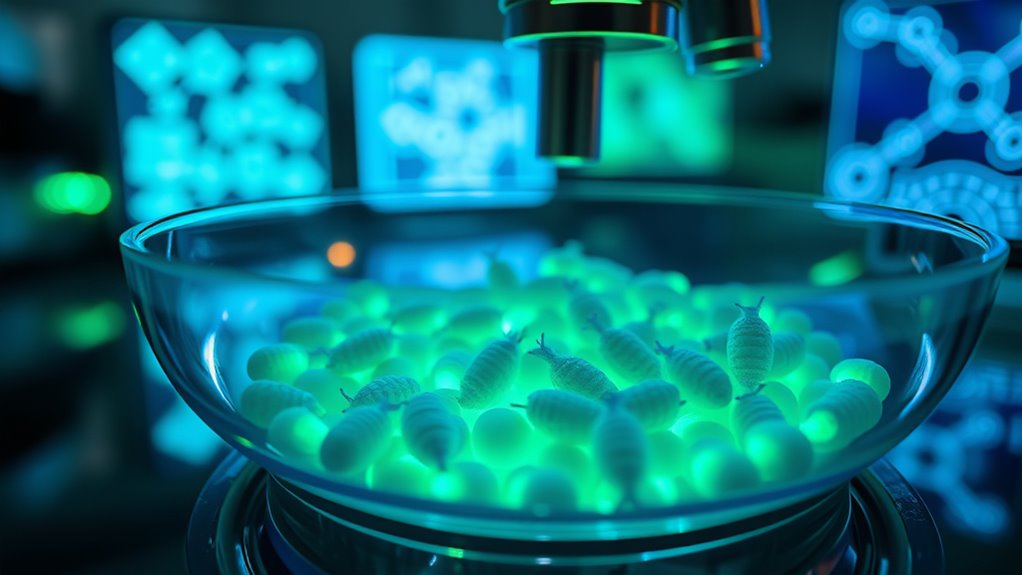

Engineered living therapeutics involve designing microbes like bacteria or yeast to deliver targeted medical treatments inside your body. These designer microbes can be programmed to produce medicines at specific sites, such as tumors or infection areas, reducing side effects and improving efficacy. They can also sense their environment and respond accordingly. If you want to explore how these innovative microbes are changing healthcare, there’s more to discover about their potential and applications.
Listen free for 30 days with Audible
Thousands of audiobooks and originals — cancel anytime.
As an affiliate, we earn on qualifying purchases.
Key Takeaways
- Engineered living therapeutics use genetically modified microbes to deliver targeted medical treatments within the human body.
- Designer microbes can sense biological cues and respond by producing specific therapeutic agents on site.
- These microbes offer personalized, minimally invasive treatment options with reduced side effects compared to traditional methods.
- Advanced gene editing techniques enable precise control over microbial functions and safety within therapeutic applications.
- Microbial engineering has the potential to revolutionize medicine across diseases like cancer, infections, and metabolic disorders.
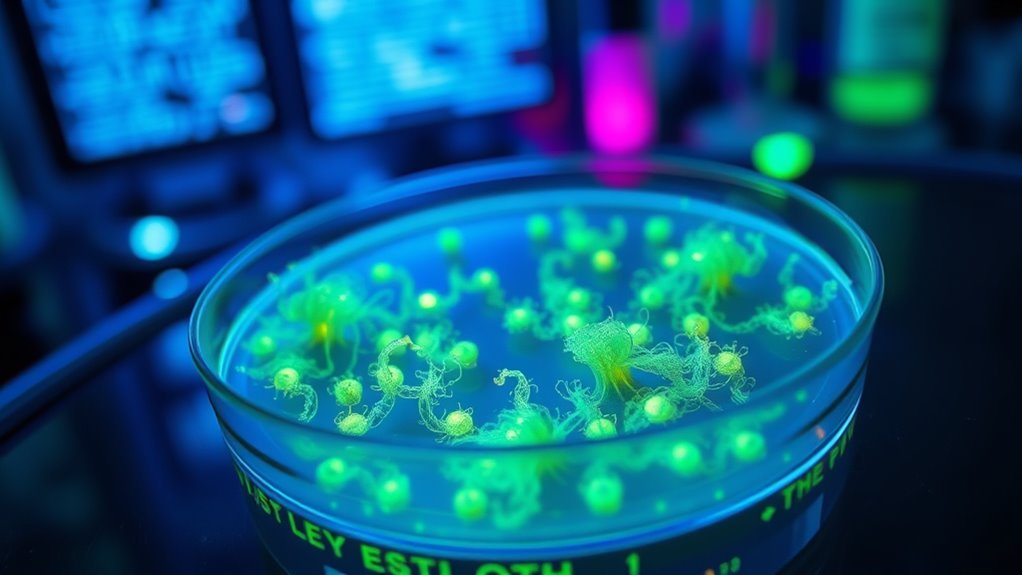
Scientists are now engineering microbes with precisely tailored functions to revolutionize medicine. This breakthrough, known as microbial engineering, involves designing living organisms that can perform specific tasks inside the human body. These engineered microbes are transforming how we approach treatment by offering innovative solutions for delivering therapies directly where they’re needed most. Therapeutic delivery, in particular, has become a key focus, as microbes can be customized to produce and release medicines precisely at targeted sites, reducing side effects and improving efficacy.
Imagine microbes that can seek out cancer cells or infection sites and deliver drugs right into the affected area. Instead of relying solely on traditional pills or injections, you could benefit from microbes that act like tiny, intelligent delivery vehicles. These microbes can be programmed to sense their environment and respond by producing therapeutic agents on demand. For instance, they can release anti-inflammatory compounds in response to signals from inflamed tissues or produce enzymes that break down harmful toxins. This level of control makes treatment more efficient and personalized, minimizing unnecessary exposure to drugs and lowering the risk of adverse effects.
Engineered microbes target infections directly, releasing medicines precisely where needed for personalized, efficient treatment.
The process of microbial engineering involves modifying bacterial or yeast genomes to incorporate genes that encode therapeutic functions. Scientists use advanced gene editing tools to insert, delete, or regulate these genes, ensuring the microbes perform the desired tasks safely. These engineered microbes can be designed to survive and operate within specific environments in the body, making them highly adaptable. You might not even realize these microbes are working quietly inside you, continuously delivering treatment while you go about your daily activities.
Additionally, these living therapeutics can be programmed to self-regulate their activity, turning on or off as needed. This dynamic control helps maintain ideal therapeutic levels and prevents overproduction, which could lead to side effects or resistance. Because microbes can be designed to respond to specific biological cues, they can adapt to changing conditions within the body, offering a level of treatment flexibility that traditional therapies can’t match. Advances in microbial engineering are paving the way for more effective and personalized healthcare solutions.
The potential of microbial engineering for therapeutic delivery is vast. Researchers are exploring its application in a wide range of diseases, from cancer and metabolic disorders to infections. As this technology advances, you could see a future where treatments are not just pills or injections but living medicines that work tirelessly inside you, precisely targeting the problem and minimizing collateral damage. These engineered microbes promise a new era of personalized, effective, and smarter medicine, fundamentally changing how health care is delivered.
As an affiliate, we earn on qualifying purchases.
Frequently Asked Questions
How Are Safety Concerns Addressed in Engineered Microbial Therapies?
You guarantee safety in engineered microbial therapies by implementing biosafety measures and containment strategies. These include using genetic safeguards like kill switches, which prevent microbes from surviving outside controlled environments. You also design microbes with limited lifespans and employ physical barriers to prevent unintended release. By following strict protocols and continuous monitoring, you minimize risks, protecting both patients and the environment from potential hazards associated with these advanced therapies.
What Regulatory Hurdles Exist for Approving Designer Microbes?
You know what they say: “The devil is in the details.” Regulatory hurdles for approving designer microbes include maneuvering complex regulatory frameworks and establishing clear approval pathways. Agencies like the FDA require extensive safety and efficacy data, which can slow the process. You must also address manufacturing standards and environmental impact concerns, making sure these innovative therapies meet rigorous standards before they can reach patients.
Can These Microbes Be Personalized for Individual Patients?
Yes, these microbes can be personalized for individual patients using personalization strategies and patient-specific modifications. You can tailor the design of the microbes to match the patient’s unique genetic makeup, microbiome, and health needs. By applying advanced genetic editing tools and customizing therapeutic functions, you guarantee the microbes are more effective and safe. This personalized approach helps optimize treatment outcomes while addressing individual variability in response.
How Long Do Engineered Microbes Typically Remain Active in the Body?
Did you know engineered microbes can stay active for days to months? The microbial lifespan and activity duration depend on the design and purpose. Typically, they remain active for a few weeks, but some are engineered for longer activity—up to several months. Your body’s environment, immune response, and the microbes’ modifications influence how long they stay effective, making personalized designs essential for ideal therapeutic outcomes.
What Are Potential Risks of Horizontal Gene Transfer?
You should be aware that horizontal transfer can pose risks because it enables gene dissemination between microbes, potentially spreading engineered traits beyond intended targets. This transfer could lead to unintended consequences, such as antibiotic resistance or harmful gene spread. To minimize these risks, researchers implement safeguards like genetic containment and controlled environments. Staying informed about these potential dangers helps guarantee safe use of engineered microbes in medicine.
As an affiliate, we earn on qualifying purchases.
Conclusion
You now see how engineered living therapeutics harness designer microbes to revolutionize medicine. These microbes can be programmed to target specific diseases, offering personalized treatments that were once unimaginable. Did you know that the global market for therapeutic microbes is expected to reach $1.4 billion by 2025? As technology advances, you’ll likely see more of these living medicines in your healthcare options, transforming the way we prevent and treat illnesses for generations to come.
As an affiliate, we earn on qualifying purchases.
As an affiliate, we earn on qualifying purchases.
Fall Picks
fall essentials
As an affiliate, we earn on qualifying purchases.