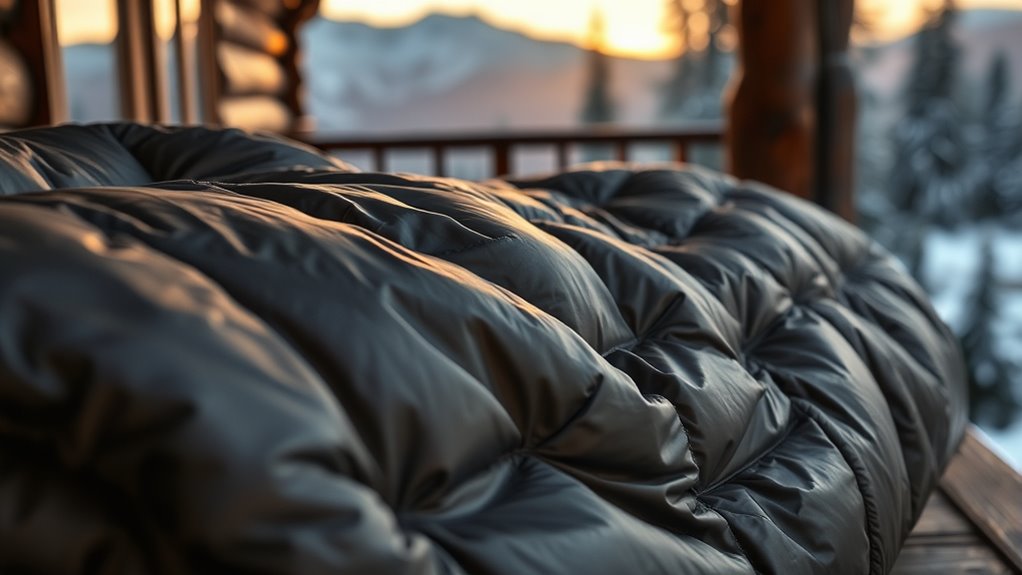

High-end sleeping bags balance warmth, weight, comfort, and specialized features, and my best overall pick is the Therm-a-Rest Parsec 0F for backpackers who need serious cold-weather performance without giving up portability. The NEMO Sonic stands out for demanding winter trips, while the Sea to Summit Spark suits weight-conscious hikers who prioritize a compact down bag. The main tradeoff is whether to carry less weight, gain more room and comfort, or choose a warmer bag that may be bulkier and more specialized. A high-end label alone does not guarantee a good match: temperature rating, fit, insulation, and sleeping style matter more. Read on for the full comparison and my picks for different kinds of trips.
Complete the kit

Key Takeaways
- The Parsec 0F is my best overall pick because it gives cold-weather backpackers a strong balance of down insulation, warmth, and packability; the warmer, more specialized NEMO Sonic is a better fit for demanding winter use.
- The lineup splits between trail weight and camp comfort: the Sea to Summit Spark favors a compact backpacking kit, while the Kelty Tru.Comfort Doublewide and Big Agnes Echo Park favor room and shared or roomy sleep setups.
- Temperature ratings are not directly interchangeable. Match the bag to expected overnight lows and your sleep habits rather than treating a number on the label as a guarantee of comfort.
- Down fill power is only one part of warmth and value. Construction, fit, insulation quantity, and moisture management affect how a bag performs, so the Naturehike Snowbird’s 650-fill down should be judged as a complete design, not by fill power alone.
- Specialty shapes solve specific problems: the Sidewinder is aimed at side sleepers, while the rectangular and doublewide Kelty options prioritize freedom of movement over a compact backpacking profile.
| Sea to Summit Spark Ultralight Down Sleeping Bag |  | Best for Ultralight Summer Trips | Occupancy: 1 person | Season: Summer | Insulation: RDS-certified 850+ fill power down with Ultra-Dry treatment | VIEW ON AMAZON | See Our Full Breakdown |
| Naturehike Snowbird RDS Down Mummy Sleeping Bag, 650 Fill Power |  | Best Feature-Rich Three-Season Value | Occupancy: 1 person | Season: 3 seasons | Fill power: 650 | VIEW ON AMAZON | See Our Full Breakdown |
| Sitka Kelvin Aerolite 30 Sleeping Bag |  | Best for Damp-Weather Mobility | Occupancy: 1 person | Seasons: All seasons | Weight: 38 oz | VIEW ON AMAZON | See Our Full Breakdown |
| Kelty Tru.Comfort Doublewide 20-Degree Sleeping Bag |  | Best for Couples Who Want Adjustable Comfort | Occupancy: 2 people | Seasons: All seasons | Insulation: Cloudloft synthetic | VIEW ON AMAZON | See Our Full Breakdown |
| Kelty Wayback 20°F Flannel-Lined Rectangular Sleeping Bag |  | Best for Comfort-First Solo Car Camping | Occupancy: 1 person | Shape: Rectangular | Dimensions: 85 x 36 inches | VIEW ON AMAZON | See Our Full Breakdown |
| Kelty Cosmic 20 Down Mummy Sleeping Bag |  | Best Value for Backpacking | Insulation: 550-fill RDS-certified duck down | Shape: Mummy | Size: Long | VIEW ON AMAZON | See Our Full Breakdown |
| Big Agnes Echo Park Wide Long Camping Sleeping Bag |  | Best for Spacious Car Camping | Shape: Rectangular | Size: Wide Long | Dimensions: 78 in L x 80 in W | VIEW ON AMAZON | See Our Full Breakdown |
| Therm-a-Rest Parsec 0F/-18C Down Backpacking Sleeping Bag, Long |  | Best for Cold-Weather Backpacking | Insulation: 900-fill RDS-certified hydrophobic down | Temperature designation: 0°F / -18°C | Seasons: All seasons | VIEW ON AMAZON | See Our Full Breakdown |
| BUERTS XXL 4-Season Down Sleeping Bag for Adults |  | Best for Roomy Down-Bag Fit | Shape: Mummy | Insulation: RDS-certified 680-fill down | Down fill weight: 2.43 lb | VIEW ON AMAZON | See Our Full Breakdown |
| NEMO Equipment Sonic Down Mummy Sleeping Bag |  | Best for Adjustable Temperature Control | Shape: Mummy | Insulation: 800-fill hydrophobic down | Temperature range: -20°F to 40°F | VIEW ON AMAZON | See Our Full Breakdown |
| Big Agnes Sidewinder Super Light 650 DownTek Sleeping Bag |  | Best for Side-Sleeping Winter Backpackers | Occupancy: 1 person | Season: Winter | Fit: Long, unisex | VIEW ON AMAZON | See Our Full Breakdown |
| high end sleeping bag | Insulation | Shape | Weight | Dimensions |
|---|---|---|---|---|
| Sea to Summit Spark Ultralight | RDS-certified 850+ fill power down with Ultra-Dry treatment | Contoured mummy | 13.6 ounces | 77.2 in L x 30.5 in W |
| Naturehike Snowbird RDS Down M | — | Mummy | — | — |
| Sitka Kelvin Aerolite 30 Sleep | PrimaLoft Gold with Cross Core technology | — | 38 oz | — |
| Kelty Tru.Comfort Doublewide 2 | Cloudloft synthetic | — | — | — |
| Kelty Wayback 20°F Flannel-Lin | Recycled CirroLoft synthetic insulation | Rectangular | 6 pounds | 85 x 36 inches |
| Kelty Cosmic 20 Down Mummy Sle | 550-fill RDS-certified duck down | Mummy | 2.8 lb | 84 x 30 in |
| Big Agnes Echo Park Wide Long | FireLine Max Eco, 100% post-consumer recycled polyester | Rectangular | — | 78 in L x 80 in W |
| Therm-a-Rest Parsec 0F/-18C Do | 900-fill RDS-certified hydrophobic down | — | 2.4 lb (1100 g) | 85 in L x 31 in W |
| BUERTS XXL 4-Season Down Sleep | RDS-certified 680-fill down | Mummy | 3.68 lb | 88.5 x 34.6 in |
| NEMO Equipment Sonic Down Mumm | 800-fill hydrophobic down | Mummy | — | — |
| Big Agnes Sidewinder Super Lig | 650-fill DownTek down and FireLine ECO synthetic | — | 3.8 pounds | 78 × 65 inches |
More Details on Our Top Picks
Sea to Summit Spark Ultralight Down Sleeping Bag
For warm-weather trips where every ounce counts, I’d put the Sea to Summit Spark ahead of the heavier Kelty Wayback 20°F. Its 13.6-ounce weight and 850+ fill power down suit backpacking, bikepacking, and touring, while the water-resistant hood and footbox help limit moisture exposure in areas that can dampen insulation. A contoured mummy cut and snag-resistant zipper also favor efficient packing and straightforward use on the trail.
The tradeoff is its narrow temperature window: a 45°F rating makes this a summer specialist, not a substitute for colder-weather bags such as the Kelty Wayback. The 6-foot maximum recommended height also rules it out for taller sleepers. I’d choose the Spark for a lightweight warm-season kit, but skip it if one bag needs to cover chilly nights or a broad range of conditions.
Pros:- Very low 13.6-ounce weight supports weight-conscious travel.
- 850+ fill power down provides high-loft insulation for a summer bag.
- Ultra-Dry treatment and water-resistant hood and footbox help address moisture exposure.
- Snag-resistant zipper reduces a common frustration with lightweight bags.
Cons:- 45°F rating limits it to warm-weather use.
- Maximum recommended height of 6 feet excludes taller sleepers.
Best for: Backpackers, bikepackers, and touring cyclists who prioritize minimal carried weight on warm-weather trips and are no taller than 6 feet.
Not ideal for: Campers expecting cool or cold nights, or sleepers over 6 feet who need more length.
- Occupancy:1 person
- Season:Summer
- Insulation:RDS-certified 850+ fill power down with Ultra-Dry treatment
- Shell:10D nylon with PFC-free DWR
- Shape:Contoured mummy
- Weight:13.6 ounces
- Dimensions:77.2 in L x 30.5 in W
- Maximum recommended height:6 feet
Our verdict“Choose the Spark for exceptionally low carry weight on warm summer trips, not as a cold-weather or all-purpose bag.”
Naturehike Snowbird RDS Down Mummy Sleeping Bag, 650 Fill Power
The Naturehike Snowbird makes the most sense for campers who want down insulation and useful details without choosing a specialized summer bag like the Sea to Summit Spark. Its 650-fill RDS-certified duck down, wind-blocking design, and 3D foot space aim to balance warmth with room to move. The internal pocket keeps a small essential close, while the YKK two-way zipper gives more flexibility for ventilation than a basic single-direction closure.
Its limitation is that the name covers models with different sizes and temperature ratings, so I’d check the exact version before relying on it for a particular season. The SP400 model also lacks a U-neck collar and windshield strip. Compared with the Spark’s higher-fill, lighter-weight summer focus, the Snowbird offers a broader three-season intent but less clearly specified performance and more model-to-model variation.
Pros:- RDS-certified duck down with 650 fill power and 85% down content.
- Wind-blocking design helps limit heat loss.
- 3D foot space offers more room than a restrictive footbox.
- YKK two-way zipper and internal pocket add practical camp features.
Cons:- Available sizes and temperature ratings vary by model, requiring careful version checks.
- The SP400 model lacks a U-neck collar and windshield strip.
- Its 650 fill power is below the Sea to Summit Spark’s 850+ fill power.
Best for: Campers seeking a down mummy bag for three-season trips who value a two-way zipper, foot room, and an internal pocket.
Not ideal for: Buyers who need a clearly stated temperature rating for a specific model or want premium high-fill down and ultralight weight.
- Occupancy:1 person
- Season:3 seasons
- Fill power:650
- Fill material:RDS-certified duck down, 85% down content
- Shell material:Nylon
- Shape:Mummy
- Closure:YKK two-way zipper
- Available sizes:74.8 x 29.5 in (short); 80.7 x 31.5 in (standard)
Our verdict“Pick the Snowbird for feature-rich three-season down camping when you can confirm the exact model’s fit and temperature rating.”
Sitka Kelvin Aerolite 30 Sleeping Bag
I’d choose the Sitka Kelvin Aerolite 30 when movement around camp and insulation that handles damp conditions matter more than a down bag’s lower carry weight. Its PrimaLoft Gold with Cross Core technology retains warmth when wet, and the DWR-finished polyester shell helps resist precipitation. Jacket-like armholes, contoured shoulders, and a two-way zipper make it easier to move or adjust ventilation than the more traditional mummy cut of the Naturehike Snowbird.
That mobility comes with a different performance profile: at 38 ounces, it is far heavier than the Sea to Summit Spark, and its 30-degree comfort rating may call for extra layers in colder conditions. The regular size fits users up to 6 feet; taller sleepers need the long version. This is a practical choice for active camp use and changeable weather, not a minimal-weight down alternative.
Pros:- PrimaLoft Gold with Cross Core technology retains warmth when wet.
- Armholes and a two-way zipper support movement and ventilation.
- DWR-finished polyester shell helps resist precipitation.
- Long size accommodates users up to 6 feet 6 inches.
Cons:- 38-ounce weight is substantially heavier than the Sea to Summit Spark.
- The 30-degree comfort rating may require extra layers in colder conditions.
- Regular size accommodates users only up to 6 feet.
Best for: Campers and hikers who want synthetic insulation for damp conditions and value arm mobility while moving around camp.
Not ideal for: Ultralight backpackers, or anyone expecting the bag alone to provide comfortable warmth below its 30-degree rating.
- Occupancy:1 person
- Seasons:All seasons
- Weight:38 oz
- Insulation:PrimaLoft Gold with Cross Core technology
- Shell material:Polyester
- Face and backer:20-denier polyester
- Fill recycled content:35%
- Maximum height:Regular: up to 6 ft; Long: up to 6 ft 6 in
Our verdict“Choose the Kelvin Aerolite 30 for damp-weather resilience and camp mobility, accepting more weight than a down-focused option.”
Kelty Tru.Comfort Doublewide 20-Degree Sleeping Bag
For two people sharing a campsite, I’d favor the Kelty Tru.Comfort Doublewide over the single-person Sitka Kelvin Aerolite 30. Its 64-inch shoulder width, two built-in blankets, and oversized hood designed for two standard pillows make it better suited to couples who want space and familiar bedding comforts. A removable top layer and independent ventilation let sleepers adjust coverage separately, while two-way foot vents offer another way to manage warmth.
The compromise is size: this is a substantial two-person bag, not a compact choice for backpacking. Its synthetic Cloudloft insulation is quick-drying, but it does not deliver the low carry weight associated with the Sea to Summit Spark’s ultralight down design. The 20-degree rating may also feel too warm in mild conditions. I’d select it for roomy car camping and shared sleep comfort, not solo trips or weight-sensitive travel.
Pros:- Roomy two-person design with 64-inch shoulder width.
- Removable top layer and built-in blankets allow flexible coverage.
- Independent ventilation and two-way foot vents offer temperature control.
- Quick-drying Cloudloft synthetic insulation suits campsite use.
Cons:- Large size can be bulky to pack and carry.
- 20-degree rating may be too warm for mild nights.
- Its two-person format is less versatile for solo camping than the Sitka Kelvin Aerolite 30.
Best for: Couples car camping who want a wide shared bag, separate ventilation options, and adjustable blanket-style coverage.
Not ideal for: Solo campers and backpackers who need a compact, lightweight bag, or couples camping mainly in warm weather.
- Occupancy:2 people
- Seasons:All seasons
- Insulation:Cloudloft synthetic
- Material:100% polyester
- Shoulder width:64 inches
- Length:84 inches
- Maximum user height:6 feet 6 inches
Our verdict“Choose the Tru.Comfort Doublewide for couples prioritizing shared space and adjustable coverage at a car campsite.”
Kelty Wayback 20°F Flannel-Lined Rectangular Sleeping Bag
The Kelty Wayback 20°F is the comfort-first solo option in this group: its 85-by-36-inch rectangular cut gives restless sleepers room to change positions, unlike the more fitted Sea to Summit Spark mummy shape. Organic cotton flannel adds a soft, familiar feel, and the built-in blanket can be snapped up or down to adjust coverage. Recycled nylon ripstop and recycled CirroLoft synthetic insulation give this roomy design a recycled-material component.
Those comforts cost portability. At 6 pounds, the Wayback is a car-camping choice rather than a practical match for the Spark’s 13.6-ounce trail focus. It also sleeps one, so couples should look instead at the Kelty Tru.Comfort Doublewide. The rectangular shape and blanket feature suit campers who want less restrictive sleep, but buyers seeking a compact pack or shared sleeping space should choose another option.
Pros:- Oversized rectangular shape supports varied sleeping positions.
- Organic cotton flannel lining offers a soft feel.
- Built-in blanket can be snapped up or down to adjust coverage.
- Recycled nylon ripstop shell and recycled CirroLoft insulation use recycled materials.
Cons:- Six-pound weight is heavy for backpacking.
- Single-person capacity does not suit couples like the Kelty Tru.Comfort Doublewide.
- Roomy rectangular construction is less suited to compact packing than the Sea to Summit Spark.
Best for: Solo car campers who want a roomy rectangular bag, a soft flannel lining, and adjustable blanket coverage.
Not ideal for: Backpackers and bikepackers who need low carry weight, or couples looking for a shared sleeping bag.
- Occupancy:1 person
- Shape:Rectangular
- Dimensions:85 x 36 inches
- Weight:6 pounds
- Shell material:Recycled nylon ripstop
- Lining:Organic cotton flannel
- Insulation:Recycled CirroLoft synthetic insulation
- Closure:Zipper with dual-locking EZ Slide zips
Our verdict“Choose the Wayback for comfortable, spacious solo car camping, and skip it if low carry weight or two-person capacity matters.”
Kelty Cosmic 20 Down Mummy Sleeping Bag
The Kelty Cosmic 20 makes high-end down-bag features more approachable for backpackers who want a compact three-season setup without chasing the lightest possible kit. Its 550-fill duck down and 2.8-pound weight are less warmth-efficient than the 900-fill insulation in the Therm-a-Rest Parsec, but the Cosmic still packs to 13 by 7 inches and brings useful trail details: a draft tube, trapezoidal baffles, venting dual zippers, and a roomy footbox. Recycled fabrics and RDS-certified down add material credentials without changing its practical focus. The tradeoff is warmth headroom: sleepers who run cold or plan serious winter trips should favor the Parsec. This Long version also suits taller sleepers better than shorter users, who may find the extra length less efficient to heat.
Pros:- Compresses to 13 by 7 inches for easier pack organization
- Draft tube and trapezoidal baffles help limit heat loss
- Dual sliding zippers allow ventilation and easier temperature adjustment
- Uses recycled fabrics and RDS-certified duck down
Cons:- 550-fill down offers less warmth per ounce than the Parsec’s 900-fill insulation
- The stated temperature rating may not provide enough warmth for cold sleepers
- Long sizing may leave shorter users with excess space to warm
Best for: Backpackers seeking a compressible, three-season down bag with practical features and room for sleepers up to 7 feet tall.
Not ideal for: Cold sleepers planning winter trips, or shorter backpackers who want a closer-fitting bag with less unused interior space.
- Insulation:550-fill RDS-certified duck down
- Shape:Mummy
- Size:Long
- Dimensions:84 x 30 in
- Weight:2.8 lb
- Packed size:13 x 7 in
- Seasons:3
- Shell and lining:Recycled 20D nylon taffeta shell; 50D polyester lining
Our verdict“Choose the Cosmic 20 for a feature-rich, packable three-season down bag; choose the Parsec instead when cold-weather warmth per ounce matters more.”
Big Agnes Echo Park Wide Long Camping Sleeping Bag
For campers who dislike the close fit of a mummy bag, the Big Agnes Echo Park Wide Long puts room to move ahead of low packed weight. Its 78-by-80-inch rectangular dimensions give it a very different purpose from the Kelty Cosmic 20 or Therm-a-Rest Parsec: this is a comfort-focused camp bag, not a compact choice for carrying deep into the backcountry. The Padlok sleeve helps keep a separately purchased sleeping pad in place, while the Pillow Barn reduces pillow drift; together, those details can make an overnight setup feel less fussy. Recycled polyester insulation and a PFAS-free water-repellent shell add practical material benefits. The costs are bulk and extra gear: the pad is not included, and the listed compression stuff sack is sold separately, so backpackers should look to the down mummy bags instead.
Pros:- Very wide rectangular design allows more movement than the Cosmic 20 or Parsec
- Padlok sleeve helps keep a separately sold sleeping pad aligned
- Pillow Barn helps keep a pillow in place overnight
- Recycled insulation and a PFAS-free water-repellent shell
Cons:- Its broad camping-oriented form is less suited to compact backpacking
- Sleeping pad is sold separately
- Compression stuff sack is sold separately
Best for: Car campers who sleep alone but want a broad rectangular bag, a stable sleeping-pad connection, and room to change positions.
Not ideal for: Backpackers with limited pack space, or buyers seeking a ready-to-use sleep system with a pad and compression sack included.
- Shape:Rectangular
- Size:Wide Long
- Dimensions:78 in L x 80 in W
- Insulation:FireLine Max Eco, 100% post-consumer recycled polyester
- Shell:40D nylon ripstop with water-repellent finish and no intentionally added PFAS
- Lining:Cotton/polyester blend
- Maximum recommended height:6.5 ft
- Features:Padlok design, Cinch Pad Sleeve, Pillow Barn, draft collar, double zippers, internal mesh pocket
Our verdict“Pick the Echo Park for spacious car-camping comfort and pad stability, not for a compact high-end backpacking setup.”
Therm-a-Rest Parsec 0F/-18C Down Backpacking Sleeping Bag, Long
The Therm-a-Rest Parsec 0F is the strongest fit here for backpackers who need serious cold-weather insulation without carrying a bulky camp bag. Its 900-fill hydrophobic down and zoned insulation are designed to put warmth where it counts while keeping weight to 2.4 pounds; the Kelty Cosmic 20 is less specialized for cold conditions and uses lower-fill down. A 7.5-by-11-inch packed size makes the Parsec easier to stow than the wide Big Agnes Echo Park, though the Echo Park is the more relaxed option for car camping. The Parsec also includes a compression sack, plus a foot warmer pocket and anti-snag zipper that support cold-night use. Its premium down demands careful storage and maintenance, and the listed details do not give a maximum user height, so buyers should check fit before choosing the Long size.
Pros:- 900-fill hydrophobic down offers strong warmth-to-weight potential
- Zoned insulation directs fill where warmth is needed while trimming weight elsewhere
- Packs to 7.5 by 11 inches and weighs 2.4 pounds
- Includes a compression sack and has an anti-snag zipper
Cons:- Down needs careful storage and maintenance to preserve loft
- A mummy cut is less roomy than the Big Agnes Echo Park’s rectangular design
- The supplied specifications do not state a maximum user height
Best for: Backpackers heading into cold conditions who want high-fill down, low carry weight, and a compact packed size.
Not ideal for: Casual car campers prioritizing a wide, unconstrained fit, or buyers unwilling to store and care for down properly.
- Insulation:900-fill RDS-certified hydrophobic down
- Temperature designation:0°F / -18°C
- Seasons:All seasons
- Dimensions:85 in L x 31 in W
- Weight:2.4 lb (1100 g)
- Packed size:7.5 x 11 in (19 x 30 cm)
- Shell:100% recycled 20D nylon ripstop with DWR
- Closure:YKK anti-snag zipper
Our verdict“Choose the Parsec for compact, cold-weather backpacking performance; the Echo Park is a better match for roomy car-camping comfort.”
BUERTS XXL 4-Season Down Sleeping Bag for Adults
The BUERTS XXL gives down-bag buyers more shoulder, side, and foot room than the slimmer Kelty Cosmic 20, while keeping a mummy-style shape intended to retain heat better than a broad rectangular camp bag. Its 680-fill RDS-certified down and 2.43-pound fill weight point to a substantial insulation package, but the complete bag weighs 3.68 pounds and packs to 15.3 by 7.8 inches. That makes it a less attractive carry for weight-conscious backpackers than the Therm-a-Rest Parsec, which weighs 2.4 pounds and uses 900-fill down. The BUERTS does add useful flexibility with inner and foot pockets, an included compression sack, and zippers that can connect to a compatible bag. Its temperature details are not fully consistent, so I would not choose it based on the stated 20°F-to-0°F comfort range alone.
Pros:- Roomier shoulders, sides, and foot area than the Kelty Cosmic 20
- RDS-certified 680-fill down with 2.43 lb of down fill
- Includes compression and mesh storage bags
- Connectable zippers allow pairing with another compatible bag
Cons:- At 3.68 lb, it is heavier than the 2.4-pound Therm-a-Rest Parsec
- Temperature information varies between the listed comfort range and rating
- Its 15.3-by-7.8-inch packed dimensions take more room than the Parsec’s
Best for: Campers who want a wide-fitting down mummy bag, useful storage pockets, and the option to zip it to a compatible second bag.
Not ideal for: Ultralight backpackers, or cold-weather buyers who need clear, consistent temperature guidance before selecting a bag.
- Shape:Mummy
- Insulation:RDS-certified 680-fill down
- Down fill weight:2.43 lb
- Listed comfort temperature range:20°F to 0°F
- Dimensions:88.5 x 34.6 in
- Weight:3.68 lb
- Packed dimensions:15.3 x 7.8 in
- Shell:400T 20D nylon
Our verdict“Choose the BUERTS if you value a roomy down fit and pairing options more than low pack weight or unambiguous temperature guidance.”
NEMO Equipment Sonic Down Mummy Sleeping Bag
The NEMO Equipment Sonic stands out for sleepers who want to adjust warmth without opening the bag wide. Its Thermo Gill vents let users tune airflow, a more temperature-flexible approach than the fixed insulation package of the BUERTS XXL. The Sonic pairs those vents with 800-fill hydrophobic down, chevron baffles intended to keep insulation distributed, and recycled bluesign-approved shell and liner fabrics. That gives it a more technical mix of comfort controls and material credentials than the simpler Kelty Cosmic 20, although the available specs list a broad -20°F to 40°F temperature range without making a specific rating method clear. Fit is the main limit: the recommended maximum height is 6 feet, so taller users should look elsewhere. A lifetime warranty against defects adds long-term support, but does not make the height restriction less relevant.
Pros:- Thermo Gill vents let sleepers adjust airflow without relying only on the zipper
- 800-fill hydrophobic down and chevron baffles support insulation performance
- Recycled, bluesign-approved shell and liner fabrics with RDS-certified down
- Lifetime warranty against defects in workmanship and materials
Cons:- Maximum recommended height of 6 feet excludes many taller sleepers
- The stated -20°F to 40°F range does not identify a single temperature rating
- The mummy cut offers less space to move than the Big Agnes Echo Park
Best for: Sleepers up to 6 feet tall who want hydrophobic down and adjustable vents for changing conditions across camping and mountaineering trips.
Not ideal for: People taller than 6 feet, or buyers who need a clearly defined single temperature rating before choosing a bag.
- Shape:Mummy
- Insulation:800-fill hydrophobic down
- Temperature range:-20°F to 40°F
- Season:3 seasons
- Maximum recommended height:6 ft
- Shell and liner:100% recycled, bluesign-approved fabrics
- Ventilation:Adjustable Thermo Gill vents
- Warranty:Lifetime warranty against defects in workmanship and materials
Our verdict“Pick the Sonic if you fit its 6-foot limit and value adjustable venting; taller sleepers should choose a longer-fitting option.”
Big Agnes Sidewinder Super Light 650 DownTek Sleeping Bag
The Sidewinder Super Light is built around a specific comfort problem: keeping a side sleeper’s hips, feet, and pillow settled through the night. Its cocoon-style fit, added insulation at pressure points, and Pillow Barn give it a more tailored sleeping experience than a standard mummy bag such as the Therm-a-Rest Parsec 0F/-18C. DownTek down paired with FireLine ECO synthetic insulation is designed to handle damp conditions, while the recycled shell has a PFAS-free water-repellent finish. The tradeoff is its carry burden: at 3.8 pounds and 26 liters packed, it takes up substantial space for a backpacking bag. I’d choose it for side-sleeping comfort and moisture-conscious insulation, not for the lightest or smallest winter setup.
Pros:- Side-sleeper-oriented fit adds cushioning and warmth at the hips and feet.
- Pillow Barn helps keep a pillow in place when the sleeper turns.
- DownTek and FireLine ECO insulation are designed for damp conditions.
- Recycled polyester shell has a PFAS-free water-repellent finish.
Cons:- At 3.8 pounds, it is relatively heavy for a backpacking sleeping bag.
- Its 26-liter packed volume can consume a large share of pack space.
Best for: Winter backpackers who sleep on their sides, shift positions often, and want extra cushioning around their hips and feet.
Not ideal for: Ultralight hikers or backpackers with limited pack capacity, since its 3.8-pound weight and 26-liter packed volume are substantial.
- Occupancy:1 person
- Season:Winter
- Fit:Long, unisex
- Maximum user height:78 inches
- Weight:3.8 pounds
- Dimensions:78 × 65 inches
- Packed size:10 × 21 inches; 26 L
- Insulation:650-fill DownTek down and FireLine ECO synthetic
- Shell material:Recycled polyester ripstop
Our verdict“Choose this bag if side-sleeping comfort matters more than keeping your winter pack as light and compact as possible.”

How We Picked
I compared these bags against the needs that define a high-end purchase: useful warmth for the intended conditions, insulation and construction, packed weight and bulk, room to move, and practical details such as shape and ease of use. I also looked at how well each design fits its likely trip, since a roomy car-camping bag and a compact mountaineering bag should not be judged by the same standard. Brand claims and listed specifications are not a substitute for matching a bag to an individual sleeper, so my recommendations distinguish intended use rather than treating every temperature rating as equivalent.
The ranking favors versatility for the top positions: the Parsec offers a compelling balance for cold-weather backpacking, while the Spark earns its place for buyers who prize low carry weight and the NEMO Sonic serves more severe conditions. The remaining options rank by how clearly their shape, insulation, and comfort meet a specific need. Roomy, doublewide, and budget-conscious designs can be strong choices, but they sit lower for buyers seeking the lightest or most technically focused high-end setup. Exact fit, warmth, and packed size should still be checked against the manufacturer’s current specifications.
| high end sleeping bag | Shape |
|---|---|
| Sea to Summit Spark Ultralight | Contoured mummy |
| Naturehike Snowbird RDS Down M | Mummy |
| Sitka Kelvin Aerolite 30 Sleep | — |
| Kelty Tru.Comfort Doublewide 2 | — |
| Kelty Wayback 20°F Flannel-Lin | Rectangular |
| Kelty Cosmic 20 Down Mummy Sle | Mummy |
| Big Agnes Echo Park Wide Long | Rectangular |
| Therm-a-Rest Parsec 0F/-18C Do | — |
| BUERTS XXL 4-Season Down Sleep | Mummy |
| NEMO Equipment Sonic Down Mumm | Mummy |
| Big Agnes Sidewinder Super Lig | — |
Factors to Consider When Choosing High End Sleeping Bags
A higher-end bag is a better purchase only when its design matches your trips. Before choosing, I would settle the conditions, sleep system, and comfort priorities first; those decisions often matter more than a small difference in insulation specs.
Choose a Temperature Rating for Your Coldest Likely Night
Start with the coldest conditions you realistically expect, not the average weather for a trip. A rating is a comparison point, not a promise that every sleeper will feel warm at that temperature. People who sleep cold may want extra margin, while warm sleepers can find an aggressively warm bag uncomfortable. Check whether the listed number refers to a comfort rating or a lower limit, and compare like with like. Avoid buying a winter bag for mild trips just because its rating sounds safer: extra insulation can add bulk and heat you out. A properly rated bag paired with suitable sleep clothing is usually more useful than choosing the lowest number on the label.
Account for Your Sleeping Pad and Campsite
A sleeping bag cannot replace insulation beneath your body, where compression reduces the loft that keeps you warm. Choose a pad with insulation suited to the ground temperature and season, and treat the bag and pad as a system. A warm bag on a cold, poorly insulated pad can still leave you chilled. Drafts from an oversized bag can also reduce comfort, especially when the fit leaves a lot of empty space. Before paying for a warmer model, check whether a better pad, dry sleep layers, or a sheltered campsite would address the real source of heat loss. This can prevent carrying unnecessary insulation on trips that do not call for it.
Balance Down Performance Against Moisture and Care
Down can offer strong warmth for its weight and pack down small, which makes it attractive for backpacking. Its loft can suffer when it gets wet, so damp climates and repeated use in condensation-prone shelters call for careful storage and ventilation. Synthetic insulation generally handles moisture more forgivingly, though it often takes more room for comparable warmth. Check care instructions before buying: washing, drying, and long-term storage affect how well insulation retains loft. Keep any down bag dry in transit and store it uncompressed between trips. A premium insulation type is not automatically the right choice if your use makes moisture control difficult.
Match the Shape to How You Sleep
Mummy bags reduce empty air space and can support warmth and compact packing, but they may feel restrictive to sleepers who roll or bend their knees. Rectangular and wide designs offer more room to change positions, often at the cost of added bulk. Side sleepers should look for a cut that accommodates movement instead of assuming a standard mummy shape will work. Couples considering a doublewide bag should account for shared warmth, separate sleeping preferences, and the challenge of carrying one larger bag. Check shoulder and hip dimensions against your body and preferred sleep posture. A warm bag that keeps you awake because it feels confining is a poor fit for regular trips.
Pay for Features That Match Your Trips
Premium construction can be worthwhile when it solves a recurring problem, such as reducing pack volume on long hikes or adding warmth for exposed winter camps. For occasional car camping, a heavier, roomier bag may be more comfortable than a costly ultralight design. Look beyond the headline insulation figure and check the hood, draft control, zipper layout, liner, and shape for features you will actually use. Extra complexity can add weight or make a bag less versatile across seasons. Compare the packed dimensions with your pack or storage space before deciding that compactness is worth the tradeoff. My rule is to spend more on the performance bottleneck you notice most, not on specifications that do not affect your trips.
Check Fit, Length, and Layering Room
Bag sizing affects warmth as well as comfort: too much space can leave more air to warm, while a short or narrow bag can compress insulation. Compare your height with the maker’s recommended length and check whether the cut accommodates your shoulders and feet. If you plan to wear insulated layers inside, leave room to move without pressing the fill flat. A longer bag may be useful for a taller sleeper, but surplus length can create a cold pocket if it is not managed. Do not rely on a generic label such as long or wide without checking the actual dimensions. When fit is uncertain, a retailer’s return policy can matter as much as a small specification difference.
Frequently Asked Questions
Should I choose the Therm-a-Rest Parsec 0F or the NEMO Sonic for cold-weather backpacking?
I would choose the Parsec when you want a versatile cold-weather backpacking bag and do not expect the most severe winter conditions on every trip. The Sonic is the more specialized direction for buyers whose plans regularly involve very cold nights and who prioritize that added cold-weather focus. Compare their current weight, packed size, fit, and temperature-rating details before buying, since those figures can vary by size or product revision. Your sleeping pad and tendency to sleep cold should shape the decision too. If your trips are mostly mild, either could be more bag than you need.
Is a lightweight down bag a good choice for damp or humid camping?
It can work, but down asks for more care around moisture than many synthetic designs. Condensation, wet ground, and damp clothing can reduce loft if moisture gets into the insulation. Use a waterproof pack liner or dry storage sack, air the bag when conditions allow, and avoid packing it away damp. For trips where keeping gear dry is hard, compare synthetic options or plan for added moisture protection before buying. The Sea to Summit Spark’s compact design is compelling for weight-conscious trips, but its benefits matter less if your conditions make dry storage unreliable.
Is a doublewide sleeping bag practical for couples who backpack?
A doublewide bag can give two people room to share warmth, but it is generally a comfort-first choice rather than the easiest way to reduce pack weight. Check its packed size and carrying weight against what both hikers can comfortably split. Couples should also think about different sleep temperatures, movement, and whether one person’s shifting will disturb the other. A doublewide can make the most sense for car camping or short approaches where shared space is more valuable than a compact load. For longer hikes, two individual bags may give each person better fit and more flexibility.
How can I tell whether a high-end bag will fit me before buying?
Check the manufacturer’s height range and the finished shoulder, hip, and foot dimensions rather than relying only on a size label. Think about your usual sleeping position and whether you wear layers inside the bag. A close fit can help limit unused air space, but a bag that restricts movement or compresses insulation may be uncomfortable and colder in practice. Side sleepers and people who move frequently should pay particular attention to cut and room around the knees and hips. If you cannot inspect the bag in person, confirm the return terms before ordering.
When is it worth paying more for a premium sleeping bag?
Paying more makes the clearest sense when lower weight, smaller packed volume, or reliable warmth will matter on repeated trips. A backpacker who carries the bag for miles may value compact down construction more than someone sleeping near a vehicle. For occasional camping, added room or a straightforward, easy-care design may deliver more everyday comfort than specialized ultralight features. Compare the bag’s actual construction, fit, and usable temperature range with your plans instead of treating its tier as proof of better performance. The best upgrade is the one that solves a specific limitation in your current sleep setup.
Conclusion
For most cold-weather backpackers, I recommend the Therm-a-Rest Parsec 0F as the best overall because it balances warmth and portability; choose the NEMO Sonic as the best premium, severe-cold option when demanding winter conditions are your main use. The Naturehike Snowbird is my best value direction for buyers seeking a down mummy bag without stepping straight to the most specialized designs, while the Kelty Cosmic 20 makes a more approachable choice for a first down mummy bag. For specific needs, pick the Sea to Summit Spark for a compact backpacking kit, the Big Agnes Sidewinder for side-sleeping, or the Kelty Tru.Comfort Doublewide and Big Agnes Echo Park when roomy camp comfort matters more than a small pack. The right choice depends on your expected lows, fit, and willingness to trade carry weight for space and warmth; verify current model specifications before buying.