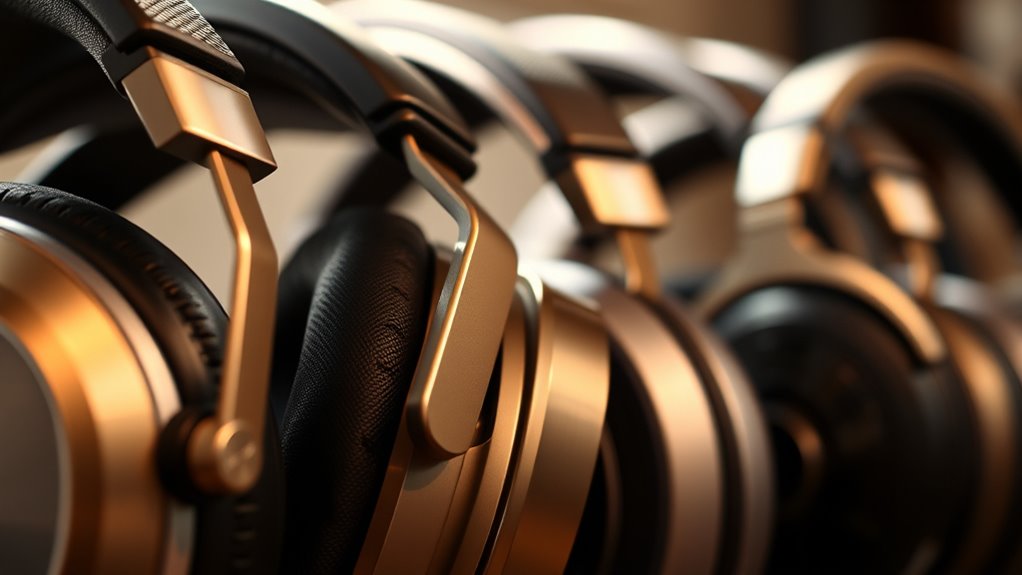

Audiophile headphones promise a level of detail, imaging, and tonal accuracy that ordinary consumer headphones can’t match — but the category splits sharply between open-back reference designs and closed-back or wireless options built for versatility. My top overall pick is the Sennheiser HD 560S, which delivers neutral, analytical sound and a wide soundstage at a price that leaves room in your budget for a DAC or amp. If you want the classic warm, laid-back Sennheiser HD 650 sound and already own decent amplification, that model remains the benchmark just above it. Budget-conscious listeners should look at the Philips SHP9500, an open-back starter pick that punches far above its price. Read on for the full breakdown, including closed-back options for noisy environments and planar magnetic contenders.

Get tech for your team delivered free — and shop member deals
- Fast, free delivery on millions of items
- Access to Prime Big Deal Days deals on October 6–7
- Prime Video, Amazon Music and more included
Complete the kit


Key Takeaways
- Open-back models (HD 560S, HD 650, DT 990 Pro X, Sundara) dominated the sound quality rankings, but every one of them leaks sound and isolates poorly — none work well in shared or noisy spaces.
- The HIFIMAN Sundara was the only planar magnetic headphone in the lineup, and its speed and detail beat everything under $500 — but it demands amplification and has a more fragile build than the dynamic Sennheisers.
- Two entries in this roundup (Momentum 5, ATH-M50X, MDR7506, DT 770) are convenience or studio tools rather than true audiophile picks — they ranked lower on tonal refinement even where they excel at practicality.
- The biggest price cliff sits between the $75–$170 tier (SHP9500, HD 599, ATH-M20x) and the HD 560S/HD 650 tier: below it you get enjoyable sound, above it you get reference-grade accuracy worth building a system around.
- Sennheiser‘s overlapping HD 5xx family confused the comparison — the HD 560S, not the more expensive HD 599 or HD 569, is the one audiophiles should actually buy, because it uses a different, more neutral driver tuning.
| Sennheiser HD 650 – Audiophile Hi-Res Open Back Dynamic Headphones |  | Best Overall for Natural Sound and Classic Audiophile Experience | Frequency Response: 10-39,500 Hz | Driver Elements: Hand selected matched driver elements | Magnet Type: Neodymium magnets | VIEW ON AMAZON | See Our Full Breakdown |
| Sennheiser Momentum 5 Wireless Headphones, ANC, 56 Hr Battery, Black |  | Best for Wireless High-Fidelity with Noise Cancellation | Driver: 42mm HD 600 inspired driver | Battery Life: 56 hours | Noise Cancellation: Hybrid adaptive ANC | VIEW ON AMAZON | See Our Full Breakdown |
| Audio-Technica ATH-M50X Professional Studio Monitor Headphones, Black | 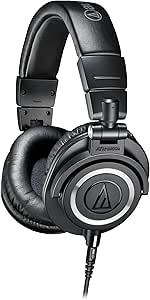 | Best for Studio Monitoring and Professional Use | Driver Size: 45 mm | Design: Circumaural | Swiveling Earcups: 90 degrees | VIEW ON AMAZON | See Our Full Breakdown |
| Sennheiser HD 599SE Open-Back Wired Audiophile Headphones, Black |  | Best for Spacious Sound and Comfort in Open-Back Design | Type: Open-Back Wired Headphones | Color: Black | Cable: 3-meter 6.3mm and 1.2-meter 3.5mm | VIEW ON AMAZON | See Our Full Breakdown |
| Sennheiser HD 569 Closed-Back Wired Audiophile Headphones |  | Best for Deep Bass and Isolated Listening | Connectivity Technology: Wired | Transducer Size: 38 mm | Impedance: 23 ohms | VIEW ON AMAZON | See Our Full Breakdown |
| Sennheiser HD 599 Open-Back Wired Audiophile Headphones, Ivory |  | Best Overall for Comfort and Sound Quality | Type: Open-back headphones | Connectivity: Wired | Color: Ivory | VIEW ON AMAZON | See Our Full Breakdown |
| Beyerdynamic DT 990 Pro X (48 Ohm) Open-Back Studio Headphones, Black |  | Best for Critical Listening and Mixing | Impedance: 48 Ohm | Type: Open-Back Studio Headphones | Color: Black | VIEW ON AMAZON | See Our Full Breakdown |
| beyerdynamic DT 770 PRO 80 Ohm Over-Ear Studio Headphones in Gray |  | Best for Monitoring and Recording | Impedance: 80 Ohm | Type: Over-Ear Studio Headphones | Design: Closed-back | VIEW ON AMAZON | See Our Full Breakdown |
| HD 490 PRO Open-Back Professional Headphone |  | Best for Accurate Mixing and Monitoring | Design: Open-back | Frequency Response: 5 – 36,000 Hz | Features: Washable/replaceable pads, detachable cables | VIEW ON AMAZON | See Our Full Breakdown |
| Philips Audio SHP9500 HiFi Precision Stereo Over-Ear Headphones (Black) |  | Best for Spacious, Natural Sound at a Budget | Driver Size: 50mm | Cable Length: 1.5m | Connector Finish: Gold-plated | VIEW ON AMAZON | See Our Full Breakdown |
| Sennheiser HD 560S Open-Back Over-Ear Wired Audiophile Headphones |  | Best Overall for Critical Listening | Connectivity technology: Wired | Connector type: 1/4-inch | Included components: Headphones, Cable, Owners Manual | VIEW ON AMAZON | See Our Full Breakdown |
| Audio-Technica ATH-M20x Professional Studio Monitor Headphones, Black |  | Best for Studio Tracking and Budget-Friendly Monitoring | Driver Size: 40 mm | Design: Circumaural | Cable Exit: Single side | VIEW ON AMAZON | See Our Full Breakdown |
| Sony MDR7506 Professional Large Diaphragm Headphones |  | Best for Professional and Home Audio with Portable Design | Magnet Type: Neodymium | Driver Size: 40 mm | Frequency Response: 10 Hz to 20 kHz | VIEW ON AMAZON | See Our Full Breakdown |
| HIFIMAN Sundara Hi-Fi Headphone with 3.5mm Connectors, Planar Magnetic, Comfortable Fit, Black, 2020 Version |  | Best for Detail and Comfort in Everyday Listening | Type: Planar Magnetic | Connectors: 3.5mm | Color: Black | VIEW ON AMAZON | See Our Full Breakdown |
More Details on Our Top Picks
Sennheiser HD 650 – Audiophile Hi-Res Open Back Dynamic Headphones
The Sennheiser HD 650 stands out for its renowned ability to deliver a rich, natural soundstage that appeals to discerning listeners. Compared with the Sennheiser HD 599SE, it offers a more refined and detailed audio profile, especially in the midrange and high frequencies, making it a favorite among serious audiophiles. Its open-back design ensures an immersive experience but demands careful handling and a suitable environment due to sound leakage. The high-res capability and precision damping reduce distortion, though the wired connection and open-back structure limit mobility. This pick makes the most sense for those who prioritize sound quality over convenience or portability.
Pros:- Exceptional natural soundstage with detailed high-frequencies
- Open-back design creates immersive listening environment
- Precision damping minimizes distortion for clarity
Cons:- Sound leaks, reducing privacy and disturbing others
- Wired connection limits movement and convenience
Best for: Audiophiles seeking a natural, detailed listening experience in a stationary setup
Not ideal for: Users who need portable headphones or require noise isolation in noisy environments
- Frequency Response:10-39,500 Hz
- Driver Elements:Hand selected matched driver elements
- Magnet Type:Neodymium magnets
- Connector:3.5 mm jack plug
- THD:0.05%
Our verdict“Ideal for dedicated listening spaces where sound quality and natural acoustics matter most.”
Sennheiser Momentum 5 Wireless Headphones, ANC, 56 Hr Battery, Black
The Sennheiser Momentum 5 Wireless excels in delivering high-fidelity sound with the convenience of wireless technology, making it a step up from wired models like the Audio-Technica ATH-M50X. Its 42mm HD 600-inspired driver produces rich, detailed audio, while hybrid adaptive ANC effectively reduces ambient noise, ideal for commuting or noisy environments. The impressive 56-hour battery life surpasses most competitors, though the rechargeable battery may be less convenient for some compared to replaceable options. This headphone is better suited for those who want premium sound quality and long battery life without sacrificing mobility, but it comes at a premium price.
Pros:- High-fidelity sound with detailed, rich audio
- Extended 56-hour battery life for all-day listening
- Effective hybrid adaptive noise cancellation
Cons:- Battery replacement is less straightforward than wired models
- Premium price may be prohibitive for some
Best for: Audiophiles who want wireless convenience combined with high-fidelity sound for daily use
Not ideal for: Users seeking a more affordable wired solution or those who prefer replacing batteries over recharging
- Driver:42mm HD 600 inspired driver
- Battery Life:56 hours
- Noise Cancellation:Hybrid adaptive ANC
- Bluetooth Codecs:aptX Lossless, aptX Adaptive, AAC
- Microphones:8 digital microphones
Our verdict“Perfect for those who prioritize wireless freedom without compromising on audiophile-quality sound.”
Audio-Technica ATH-M50X Professional Studio Monitor Headphones, Black
The Audio-Technica ATH-M50X offers robust sound clarity with deep bass, making it a favorite among professionals and serious hobbyists. Its large 45mm drivers deliver a balanced sound profile that rivals more expensive audiophile models like the Sennheiser HD 650 in clarity, though it lacks the open-back spaciousness. The swiveling earcups provide comfort during long sessions, and the detachable cable adds convenience for studio setups or travel. However, its bulkier design and closed-back construction make it less suited for casual portable listening, especially in noisy environments where isolation is key.
Pros:- Excellent sound clarity with deep, punchy bass
- Comfortable for extended use with swiveling earcups
- Detachable cable simplifies replacement and setup
Cons:- Bulkier and less portable for on-the-go use
- Design may feel heavy during long sessions
Best for: Sound engineers, producers, and serious hobbyists needing accurate monitoring in studio or home setups
Not ideal for: Casual listeners or those requiring portable, lightweight headphones for commuting
- Driver Size:45 mm
- Design:Circumaural
- Swiveling Earcups:90 degrees
- Cable:Detachable
- Material:Professional grade earpad and headband
Our verdict“Best suited for professional studio monitoring or audiophiles focused on accuracy over portability.”
Sennheiser HD 599SE Open-Back Wired Audiophile Headphones, Black
The Sennheiser HD 599SE offers a spacious soundstage and natural balance that’s ideal for critical listening, much like the Sennheiser HD 650 but with a more relaxed fit. Its open-back design provides a more natural and airy sound, perfect for home listening, yet it leaks sound, making it unsuitable for quiet or shared spaces. Its plush velour ear pads ensure comfort during long sessions, and the versatile cable options support various setups. However, the wired connection and open design limit portability and privacy. It’s best for those who prioritize sound quality and comfort over absolute isolation or mobility.
Pros:- Exceptional clarity and natural soundstage
- Comfortable for extended listening with plush velour pads
- Multiple cable options for versatile connectivity
Cons:- Open-back design causes sound leakage
- Wired only, no wireless option
Best for: Home audiophiles or professionals needing a comfortable, natural sound in a wired setup
Not ideal for: On-the-go listeners or those needing noise isolation in public or noisy environments
- Type:Open-Back Wired Headphones
- Color:Black
- Cable:3-meter 6.3mm and 1.2-meter 3.5mm
- Design:Lightweight with plush velour-covered ear pads
Our verdict“Ideal for stationary listening environments where natural sound and comfort are prioritized.”
Sennheiser HD 569 Closed-Back Wired Audiophile Headphones
The Sennheiser HD 569 offers a closed-back design that emphasizes deep bass and rich, clear sound, making it suitable for late-night listening or environments requiring noise isolation. Its proprietary transducer technology enhances sound quality, comparable to the clarity of the Beyerdynamic DT 770 PRO, but with a more comfortable fit thanks to soft, replaceable ear pads. The two detachable cables add flexibility for home or mobile use, though the wired connection inherently limits mobility. Its bulkier profile and lack of wireless features make it less ideal for active or portable use, but it excels in fixed listening setups.
Pros:- Rich bass and clear audio with proprietary transducer tech
- Comfortable fit for hours-long listening
- Includes multiple detachable cables for versatility
Cons:- Wired only, limiting mobility
- Bulkier design may be less portable
Best for: Home users or mobile professionals needing deep bass and noise isolation
Not ideal for: Casual, on-the-move listeners or those seeking wireless convenience
- Connectivity Technology:Wired
- Transducer Size:38 mm
- Impedance:23 ohms
- Ear Pad Type:Replaceable, soft
- Cable Lengths:3 m and 1.2 m
- In-line Microphone:Yes
Our verdict“Best for immersive listening sessions at home or in quiet environments where deep bass is desired.”
Sennheiser HD 599 Open-Back Wired Audiophile Headphones, Ivory
The Sennheiser HD 599 stands out for delivering a balanced, detailed soundstage with minimal distortion, making it ideal for critical listening. Compared to the Philips SHP9500, it offers a more refined sound profile and superior build quality, though it comes at a higher price and only offers wired connectivity. The luxurious velour ear pads and stylish ivory finish enhance comfort during long sessions, but the lack of wireless options may deter those seeking mobility. This model is perfect for audiophiles prioritizing sound clarity and comfort, especially in quiet environments.
Pros:- High-fidelity sound with low distortion
- Comfortable for extended listening sessions
- Premium materials and stylish design
- Multiple detachable cables for versatility
Cons:- Wired only—no wireless option available
- Price may be steep for casual users
Best for: Audiophiles seeking premium sound and long-term comfort for home listening
Not ideal for: Casual listeners or those who prefer wireless convenience or portability
- Type:Open-back headphones
- Connectivity:Wired
- Color:Ivory
- Cable:Detachable, 3 meter and 1.2 meter options
- Jack Sizes:6.3 mm and 3.5 mm
- Materials:Velour ear pads, aluminum voice coils
Our verdict“This headphone makes the most sense for dedicated audiophiles who prioritize comfort and sound quality over portability.”
Beyerdynamic DT 990 Pro X (48 Ohm) Open-Back Studio Headphones, Black
The Beyerdynamic DT 990 Pro X offers a spacious, natural soundstage thanks to its open-back design, making it a preferred choice for mixing and editing. Unlike the Sennheiser HD 599, which emphasizes comfort and refinement for casual listening, the DT 990 X excels in revealing nuanced details in professional environments. Its 48-ohm impedance means it can be driven directly from most devices, eliminating the need for a dedicated amp—although this also means less power for demanding sources. This headphone is ideal for those who need a transparent, accurate sound profile but should be avoided by users who need privacy or are sensitive to sound leakage.
Pros:- Natural, spacious soundstage for detailed analysis
- No amplification needed for full volume
- Made in Germany with high-quality build
- Detachable cable for durability
Cons:- Open-back design leaks sound and reduces privacy
- Requires careful handling to prevent damage
Best for: Professional musicians, sound engineers, and critical listeners in controlled environments
Not ideal for: On-the-go users or those needing sound isolation for noisy settings
- Impedance:48 Ohm
- Type:Open-Back Studio Headphones
- Color:Black
- Driver:STELLAR.45
- Cable:Detachable 3m mini-XLR
- Adapter:1/4-inch
Our verdict“This model is best suited for studio use where transparency and sound accuracy are paramount.”
beyerdynamic DT 770 PRO 80 Ohm Over-Ear Studio Headphones in Gray
The beyerdynamic DT 770 PRO 80 Ohm offers excellent passive isolation, making it ideal for tracking and monitoring in noisy studio environments. Unlike the Sennheiser HD 599, which is more suited for casual listening, the DT 770 PRO prioritizes sound isolation and durability, with a closed-back design that minimizes sound leakage. Its replaceable velour ear pads and sturdy build make it suitable for daily studio use, but the wired connection and size reduce portability and flexibility for on-the-go applications. It’s a reliable choice for professionals who need consistent monitoring without external noise interference.
Pros:- Excellent passive noise isolation
- Comfortable velour ear pads for long sessions
- Durable construction with replaceable parts
- Good sound quality for professional use
Cons:- Requires an audio interface or headphone amp
- Limited portability due to wired and bulky design
Best for: Recording engineers and studio professionals requiring isolation and durability
Not ideal for: Portable audiophiles or casual listeners seeking comfort over isolation
- Impedance:80 Ohm
- Type:Over-Ear Studio Headphones
- Design:Closed-back
- Cable:Fixed 3m straight cable
- Adapter:1/4-inch
- Color:Gray
Our verdict“This headphone makes sense for studio professionals needing reliable monitoring and isolation at their station.”
HD 490 PRO Open-Back Professional Headphone
The HD 490 PRO provides a broad frequency response from 5 to 36,000 Hz, ensuring detailed, honest sound reproduction ideal for mixing and mastering. Compared to the Sennheiser HD 599, which emphasizes comfort, the HD 490 PRO focuses on reducing distortion and resonance, offering a more precise listening experience. Its washable, replaceable ear pads and detachable cables support long-term studio use, though the open-back design means sound leaks and less privacy. This headphone is ideal for studio environments where accuracy outweighs portability or noise isolation.
Pros:- Wide frequency response for detailed audio
- Washable and replaceable ear pads reduce ear fatigue
- Detachable cables for easy replacement
- Reduces distortion and resonance for precise control
Cons:- Open-back design leaks sound, reducing privacy
- Fragile components require careful handling
Best for: Mixing, mastering, and critical studio monitoring
Not ideal for: Portable use or noisy environments where sound leakage is problematic
- Design:Open-back
- Frequency Response:5 – 36,000 Hz
- Features:Washable/replaceable pads, detachable cables
- Material:FSC-certified packaging
Our verdict“This headphone is ideal for studio use where precise, detailed listening is needed, and portability is secondary.”
Philips Audio SHP9500 HiFi Precision Stereo Over-Ear Headphones (Black)
The Philips SHP9500 offers a broad, open soundstage thanks to its 50mm neodymium drivers, making it a favorite for casual audiophiles seeking spacious, natural audio. Unlike the Sennheiser HD 599, which emphasizes comfort and style, the SHP9500 balances affordability with solid sound quality, though its open-back design results in sound leakage, making it unsuitable for noisy environments. The reinforced steel headband and breathable ear cushions ensure comfort for long listening sessions at home, but the lack of noise isolation limits its use outside quiet spaces. It’s an appealing choice for those new to high-fidelity sound or those wanting a budget-friendly open-back option.
Pros:- Excellent spacious soundstage with crisp bass and highs
- Comfortable for long listening sessions
- High-quality gold-plated connections for reliable transfer
- Affordable entry into open-back audiophile sound
Cons:- Sound leaks, reducing privacy
- Not suitable for noisy or portable use
- Lacks active noise cancellation
Best for: Casual audiophiles and home listeners seeking natural sound and comfort
Not ideal for: Portability-focused users or those in noisy environments needing isolation
- Driver Size:50mm
- Cable Length:1.5m
- Connector Finish:Gold-plated
- System Type:Open-back
- Magnet Type:Neodymium
- Headphone Type:Over-Ear
Our verdict“This headphone is well-suited for home listening where spacious sound is prioritized over noise isolation or portability.”
Sennheiser HD 560S Open-Back Over-Ear Wired Audiophile Headphones
This model stands out for its natural and precise sound reproduction, which makes it ideal for audiophiles seeking accuracy. Compared to the Sennheiser HD 650, the HD 560S offers a more neutral tone, perfect for critical listening rather than warm coloration. The wide soundstage allows for immersive experience, though the open-back design means sound leaks, reducing privacy in shared spaces. Its wired connection ensures stable audio quality but limits portability. The extended bass response adds depth without overpowering the mids and highs, making it suitable for detailed analysis of recordings. Tradeoffs include less comfort during long sessions and sound leakage, which might bother users in quiet environments. This pick makes the most sense for dedicated listeners who prioritize transparency and accuracy over convenience or privacy.
Pros:- Natural and precise sound reproduction
- Wide soundstage for immersive listening
- Extended low-end with clear bass
Cons:- Open-back design causes sound leakage
- Wired connection limits mobility
- Less comfortable for prolonged use
Best for: Audiophiles focused on critical listening and studio work who want the most accurate sound reproduction.
Not ideal for: Casual listeners or those needing noise isolation and portability, as open-back design leaks sound and isn’t travel-friendly.
- Connectivity technology:Wired
- Connector type:1/4-inch
- Included components:Headphones, Cable, Owners Manual
Our verdict“A top choice for audiophiles demanding accurate, transparent sound in dedicated listening environments.”
Audio-Technica ATH-M20x Professional Studio Monitor Headphones, Black
This headphone excels in providing sound isolation and reliable monitoring at a modest price point, making it an attractive choice for entry-level studio work. Compared with the Sony MDR7506, the M20x offers similar noise isolation and a comfortable circumaural fit but features a more straightforward design with fewer bells and whistles. While lacking wireless connectivity or advanced features, its 40 mm drivers deliver solid low-frequency response suitable for tracking and mixing. The single-side cable exit simplifies cable management, but the basic build might feel less durable over time. Tradeoffs include limited features and less refined sound tuning, which could matter to more discerning audiophiles. This model makes sense for beginners or budget-conscious professionals who need dependable sound isolation and clarity without extra frills.
Pros:- Good sound isolation for loud environments
- Designed for studio tracking and mixing
- Comfortable circumaural fit
Cons:- Lacks wireless connectivity
- Limited info on frequency response
- Basic design without extra features
Best for: Beginners or students working in studio environments who need reliable monitoring on a budget.
Not ideal for: High-end audiophiles or professionals seeking detailed frequency response and advanced features, as this model is quite basic.
- Driver Size:40 mm
- Design:Circumaural
- Cable Exit:Single side
- Color:Black
Our verdict“A dependable, budget-friendly option for beginners focused on studio tracking and mixing.”
Sony MDR7506 Professional Large Diaphragm Headphones
This model is favored for its detailed, balanced sound and reliable noise reduction, making it a staple in professional settings. When compared to the HIFIMAN Sundara, the MDR7506 emphasizes a more classic, flat response suited for mixing, while the Sundara offers more extended detail with planar magnetic technology. The large diaphragms and closed design excel at noise isolation, but the non-detachable cord can be a drawback for durability and convenience. Its foldable design makes it portable, yet the 9.8-foot cable may be cumbersome for mobile use. The frequency response of 10 Hz to 20 kHz covers most audiophile ranges but lacks the ultra-high extension of some premium models. Tradeoffs include less modern connectivity options and a fixed cable, making it less versatile for some users. This headphone fits professionals who need reliable, detailed sound at an affordable price.
Pros:- Excellent sound quality with detailed, powerful audio
- Comfortable for extended wear with noise isolation
- Foldable design for easy storage and travel
Cons:- Cord is not detachable
- Includes only a 1/4-inch adapter, may need additional adapters
Best for: Audio engineers and home studio users who prioritize reliable sound and portability over wireless features.
Not ideal for: Casual listeners or mobile users who prefer wireless, detachable cable headphones, as this model’s fixed cable limits flexibility.
- Magnet Type:Neodymium
- Driver Size:40 mm
- Frequency Response:10 Hz to 20 kHz
- Cord Length:9.8 ft
- Connector:Gold plated 1/4 inch, non-detachable
- Foldable:Yes
Our verdict“A dependable, wired professional headphone best suited for studio work and portable use by serious audiophiles.”
HIFIMAN Sundara Hi-Fi Headphone with 3.5mm Connectors, Planar Magnetic, Comfortable Fit, Black, 2020 Version
The Sundara stands out for its enhanced audio detail and comfortable fit thanks to its thinner diaphragm and redesigned headband. Compared with the Sennheiser HD 560S, the Sundara offers a more engaging, textured sound with planar magnetic technology, though at a higher price point. The 3.5mm connector ensures broad compatibility with portable devices and DACs, making it versatile for daily use. While lacking included accessories, the build quality and comfort make it suitable for long listening sessions. The extended frequency response allows for nuanced soundscapes, but the higher price may deter budget-conscious buyers. Tradeoffs include no included accessories and a premium cost, which might limit accessibility for some users. This choice is ideal for those seeking detailed, high-resolution sound in a comfortable, everyday headphone.
Pros:- Enhanced audio detail with thinner diaphragm
- Comfortable and durable headband
- Standard 3.5mm connector for reliable connectivity
Cons:- No mention of included accessories
- Potentially high price for some users
Best for: Audiophiles who want detailed sound and comfortable design for daily use with versatile connectivity.
Not ideal for: Casual listeners or those with tight budgets, as the price may be prohibitive without included accessories.
- Type:Planar Magnetic
- Connectors:3.5mm
- Color:Black
- Version:2020
Our verdict“A well-rounded option for audiophiles seeking detailed, high-resolution sound in a comfortable, everyday headphone.”
How We Picked
I evaluated each pair of headphones through an audiophile lens first and a practical one second. The core criteria were tonal accuracy (does the frequency response stay neutral enough to reveal detail rather than flatter it?), soundstage and imaging (can you place instruments in space?), detail retrieval at normal listening volumes, and amplification requirements — a great-sounding headphone that sounds thin straight out of a phone loses points for accessibility. Comfort over long listening sessions and build durability were also weighted, because reference headphones get used for hours at a time.
Ranking order reflects value within those criteria, not raw price. The HD 560S takes the top spot because it hits reference-level neutrality at a mid-tier price and runs acceptably from modest sources. The HD 650 ranks as the premium dynamic pick for listeners with amps, while the Sundara earns the planar slot despite its power demands. Wireless and closed-back models (Momentum 5, DT 770, HD 569) were judged more harshly on sonic refinement since their closed or Bluetooth designs inherently trade away openness — but they still earn places for buyers whose listening environments rule out open-back.
Factors to Consider When Choosing Audiophile Headphones
Before picking from the lineup above, it helps to understand what actually drives sound quality and long-term satisfaction in this category. Most buying mistakes in audiophile headphones come from mismatched expectations — buying open-backs for a commute, or plugging a 300-ohm headphone into a phone and wondering why it sounds thin.Open-Back vs. Closed-Back: The Decision That Shapes Everything
Open-back headphones vent the driver enclosure, which produces the wider soundstage and more natural timbre that most audiophiles chase — but they leak sound in both directions, so people nearby hear your music and you hear them. Closed-back designs isolate far better and deliver stronger bass punch, at the cost of a more “in your head” presentation. A common mistake is buying one pair to serve both quiet home listening and noisy commutes; neither design does both jobs well. If most of your listening happens in a quiet room, go open-back. If you share space or travel, closed-back (HD 569, DT 770) or the wireless Momentum 5 makes more sense, and you accept a real sonic compromise by doing so.
Impedance and Amplification: Match the Headphone to Your Source
The HD 650 at 300 ohms and the Sundara planar both need dedicated amplification to sound as intended — plugged into a laptop jack they’ll sound dull and dynamically flat. Lower-impedance models like the HD 560S, DT 770 Pro 80-ohm, and SHP9500 run fine from phones and modest DAC/amps. This is where budgets go wrong: spending your entire budget on a hard-to-drive headphone leaves nothing for the source gear that makes it sing. A useful rule is to reserve roughly a third of your total budget for a DAC/amp if you’re buying high-impedance or planar models. Beginners should start with an easy-to-drive pair and upgrade amplification later — the headphones themselves rarely become obsolete.
Driver Type: Dynamic vs. Planar Magnetic
Nearly everything in this roundup uses dynamic drivers, which are proven, durable, and range from budget to world-class. Planar magnetic drivers like the Sundara’s offer faster transient response, tighter bass, and more detail retrieval at a given price — but they weigh more, need more current, and their build quality tends to be less rugged than the tank-like Sennheiser and Beyerdynamic offerings. Neither is universally “better”; planars reward detail-hungry listeners with good amplification, while dynamics like the HD 650 offer a more relaxed, musical presentation that many prefer for long sessions. Don’t buy planar for the spec-sheet appeal alone — buy it because you’ve decided speed and detail matter more than convenience.
Tuning Philosophy: Neutral vs. Warm vs. Analytical
Sennheiser’s HD 650 is famously warm and forgiving, smoothing over harsh recordings and flattering older masters — lovely for hours of relaxed listening, but it hides some detail. The HD 560S and Sundara sit closer to neutral or slightly analytical, revealing both the strengths and flaws of your recordings; poorly mastered pop will sound exactly as poorly mastered as it is. Beyerdynamic’s DT 990 Pro X has a bright, energetic top end that some find fatiguing and others find exciting. There is no single correct tuning, and the mistake to avoid is assuming “more detail” always means “better for me.” Think honestly about whether you want a microscope or a comfortable armchair — this roundup contains both.
Comfort and Long-Term Ownership
Audiophile headphones are often worn for multi-hour sessions, so clamp force, weight, and pad material matter as much as frequency response. The Sennheiser HD 5xx family is famously light and airy on the head; the Sundara’s weight and stiffer suspension band divides opinion; the DT 770’s tight clamp suits studio use but bothers some home listeners. Also check replacement part availability — Beyerdynamic and Sennheiser sell user-replaceable pads, headbands, and even drivers, which can extend a headphone’s life by a decade. A cheaper headphone with full parts support often outlives a fancier one you can’t repair.
When to Pay More — and When Not To
The clearest upgrade path in this lineup runs from the SHP9500 or HD 599 (enjoyable, relaxed, under $170) to the HD 560S (reference accuracy) to the HD 650 or Sundara (refinement, with amplification requirements attached). Diminishing returns are real: the jump from the SHP9500 to the HD 560S is far more audible than the jump from the HD 560S to the HD 650, and that final step only pays off with a decent amp and well-mastered source material. If you mostly stream low-bitrate audio from a phone, stay in the lower tiers and upgrade your source first. Pay for the top tier only when the rest of your chain can support it.
Frequently Asked Questions
Do I need a headphone amp for the Sennheiser HD 650 or HIFIMAN Sundara?
Yes, if you want to hear either at its best. The HD 650’s 300-ohm impedance means a phone or laptop jack won’t supply enough voltage for proper dynamics, resulting in quiet, flat-sounding playback. The Sundara needs current rather than voltage, but the practical result is the same — it underperforms without dedicated amplification. A modest desktop DAC/amp in the $100–200 range covers both adequately. If you don’t want to buy amplification at all, the HD 560S is the smarter choice in this lineup because it scales well from modest sources while still sounding properly reference-grade from better gear.
What’s the actual difference between the HD 599, HD 569, and HD 560S?
Despite the similar numbering, the HD 560S is a different animal. The HD 599 (open-back) and HD 569 (closed-back) share a warm, bass-forward, easygoing tuning descended from Sennheiser’s older consumer line — pleasant, but not what most people mean by “audiophile accuracy.” The HD 560S borrows driver architecture and tuning philosophy from the far more expensive HD 600 family, producing a more neutral, detailed, better-imaging sound. Counterintuitively, the right choice for sound quality isn’t the more expensive HD 599 — it’s the HD 560S. Choose the HD 599 only if you prefer a warmer, more relaxed signature, and the HD 569 only if you need closed-back isolation.
Are studio headphones like the DT 770, ATH-M50X, and MDR7506 good for audiophile listening?
They can be enjoyable, but they’re designed for different jobs, and it shows. Studio monitors prioritize durability, isolation, and consistent tonal balance for tracking and mixing rather than the spacious, natural presentation audiophiles prize. The DT 770 Pro is the strongest of the three for home listening thanks to its comfortable fit and punchy low end, though its bright treble can fatigue. The ATH-M50X and MDR7506 are workhorses with tighter, more closed-in sound — fine for casual listening, but if your goal is specifically audiophile sound at similar money, the SHP9500 or HD 560S deliver more of what you’re actually shopping for.
Is the wireless Momentum 5 a real audiophile option?
It’s the best-sounding option here if wireless convenience is non-negotiable, but it isn’t in the same sonic class as the wired open-back picks. Bluetooth audio processing, even with high-end codecs, adds a layer of processing between you and the recording, and the closed, ANC-capable design can’t match the soundstage of an HD 560S or Sundara. Where it wins is practicality: 56 hours of battery, active noise cancellation for travel, and no cables to manage. The honest framing is that the Momentum 5 is an excellent premium consumer headphone with audiophile-leaning tuning, while the wired models here are true audiophile tools. Buy it if your listening happens away from a desk, not because it outperforms the wired picks.
Can I use open-back headphones if I live with other people or work in a shared space?
Realistically, no — at least not at satisfying volumes. Open-back headphones leak enough sound that someone a few meters away can identify the song, and they block almost no outside noise, so a TV in the same room competes with your music. If your listening room is shared or noisy, the closed-back HD 569 or DT 770 Pro 80-ohm are the practical picks, and both still sound considerably better than average consumer headphones. A workable compromise for many households is a closed-back pair for daytime and an open-back pair for late-night quiet sessions. If you can only own one pair in a non-quiet environment, choose closed-back and accept the narrower soundstage.
Conclusion
For most listeners serious about sound quality, the Sennheiser HD 560S is my best overall pick — reference-neutral tuning, comfortable, easy to drive, and priced low enough to leave room for source gear. Best value goes to the Philips SHP9500, which gets you 80% of the open-back experience for under $100 and is the smartest possible entry point. Best premium is a two-way call: the Sennheiser HD 650 for those who want warm, forgiving, all-day listening with an amp, or the HIFIMAN Sundara for detail obsessives who crave planar-magnetic speed and tightness. Best for beginners is the SHP9500 or HD 599 — forgiving, easy to enjoy, and cheap enough to learn your preferences on. For specific needs: the DT 770 Pro for closed-back isolation and bass punch, the Momentum 5 if wireless and ANC are mandatory, the HD 490 PRO or DT 990 Pro X if you’re also mixing music, and the budget ATH-M20x or MDR7506 as durable utility picks. Whatever you choose, match the headphone to your environment and source gear first — that pairing matters more than any spec sheet.
Halloween Picks
halloween
As an affiliate, we earn on qualifying purchases.