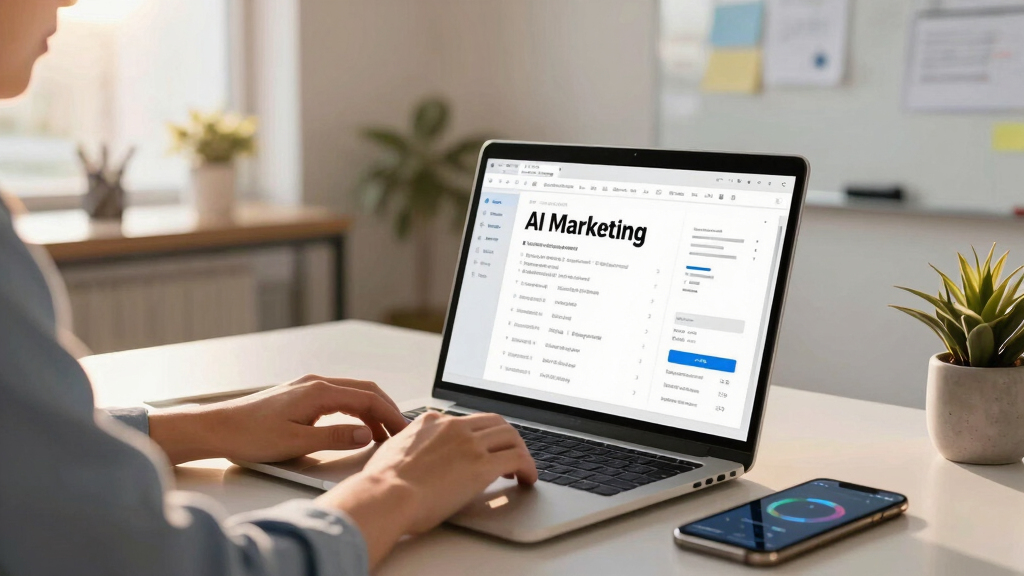

The best resources for learning about AI tools for automating marketing turn scattered software features into repeatable workflows, and Marketing, Sales and Service with AI is my best overall pick for its broad customer-journey focus. 198 AI Prompts for Business offers stronger immediate value for readers who want reusable frameworks, while Marketing with AI For Dummies provides a more approachable starting point. The main choice is between broad strategy and specialist instruction covering email, lead generation, funnels, or social media. Readers also need to weigh ready-made tactics against guidance that may remain useful as individual platforms change. Continue reading for my full breakdown of which guide fits each buyer and automation goal.

Get business pricing on tech for your team
- Business-only prices and quantity discounts
- Tax-exempt purchasing
- Multiple users, one account, clear invoices
Key Takeaways
- Marketing, Sales and Service with AI ranks first because it covers automation across the customer journey, while most alternatives concentrate on one channel or business type.
- 198 AI Prompts for Business is the best value pick for readers seeking reusable working materials, but it offers less connected marketing strategy than the leading books.
- Marketing with AI For Dummies is the clearest beginner choice; the playbooks, funnel guides, and automation-focused titles make more sense after readers understand the basic concepts.
- The comparison revealed a sharp divide between durable workflow guidance and tool-specific instruction. Browse AI, PhantomBuster, and ChatGPT guides may support faster implementation but can age more quickly.
- The strongest specialist choices have narrow roles: The AI-Powered Email Marketing Specialist for email, Automating Lead Generation with AI for prospecting, and AI Power Funnels for sales funnels.
| Marketing, Sales and Service with AI: Creating an Incredible User Experience at Every Touchpoint |  | Best Strategic Foundation | Format: Business strategy book | Primary topic: AI-supported marketing, sales, and service | Automation scope: Cross-functional customer journey | VIEW LATEST PRICE | See Our Full Breakdown |
| AI Skills for Small Business Owners: The Non-Technical Guide to Automating Marketing, Saving Time, and Scaling on a Budget |  | Best for Budget-Conscious Beginners | Format: Non-technical business guide | Primary topic: Budget-friendly AI marketing automation | Business scope: Small businesses | VIEW LATEST PRICE | See Our Full Breakdown |
| AI for Marketing Playbook: Proven Cutting-Edge Strategies to Automate Systems, Optimize Campaigns & Scale Outreach |  | Best for Campaign Strategy | Format: Marketing strategy playbook | Primary topic: AI-driven marketing systems | Campaign focus: Automation and optimization | VIEW LATEST PRICE | See Our Full Breakdown |
| AI Marketing for Small Business: A Practical Guide to Smart Automation, Customer Growth, and Scalable Strategy |  | Best for Customer Growth Planning | Format: Practical small-business guide | Primary topic: AI marketing automation | Business scope: Small businesses | VIEW LATEST PRICE | See Our Full Breakdown |
| Automating Lead Generation with AI: How to Use Browse AI & PhantomBuster |  | Best for Automated Lead Generation | Format: Step-by-step platform guide | Primary topic: AI-assisted lead generation | Named platforms: Browse AI and PhantomBuster | VIEW LATEST PRICE | See Our Full Breakdown |
| The Solopreneur’s AI Marketing Advantage |  | Best for Solopreneurs | Product type: AI marketing strategy book | Primary audience: Solopreneurs | Core focus: Affordable AI-assisted marketing growth | VIEW LATEST PRICE | See Our Full Breakdown |
| AI Power Funnels |  | Best for Sales Funnels | Product type: AI sales and marketing guide | Primary audience: Online business owners | Core focus: AI-enhanced online sales funnels | VIEW LATEST PRICE | See Our Full Breakdown |
| The AI-Powered Email Marketing Specialist |  | Best for Email Automation | Product type: Specialist email marketing guide | Primary audience: Marketing professionals | Featured technology: ChatGPT and AI tools | VIEW LATEST PRICE | See Our Full Breakdown |
| From Freelancer to AI-Powered Marketing Business |  | Best for Building an AI Marketing Business | Product type: AI marketing business guide | Primary audience: Freelancers and entrepreneurs | Core focus: Automating and scaling marketing services | VIEW LATEST PRICE | See Our Full Breakdown |
| The AI Marketing Machine |  | Best for Future Marketing Strategy | Product type: AI marketing strategy book | Series: Building Marketing Machines, Book 3 | Primary audience: Marketing professionals and enthusiasts | VIEW LATEST PRICE | See Our Full Breakdown |
| 198 AI Prompts for Business: Production-Ready Frameworks for Marketing, Sales, Content, and Operations |  | Best Prompt Library | Product type: Business AI prompt guide | Prompt count: 198 | Primary marketing use: Prompt-assisted workflow automation | VIEW LATEST PRICE | See Our Full Breakdown |
| Marketing with AI For Dummies |  | Best for Absolute Beginners | Product type: Introductory marketing guide | Series: For Dummies | Primary subject: Artificial intelligence in marketing | VIEW LATEST PRICE | See Our Full Breakdown |
| 25 AI Tools for Digital Marketing: Powerful AI Tools to Automate Content, SEO, Ads, Social Media, and Lead Generation |  | Best for Tool Discovery | Product type: Digital marketing tool guide | Tool count: 25 | Marketing channels: Content, SEO, ads, social media, and lead generation | VIEW LATEST PRICE | See Our Full Breakdown |
| AI-Powered Digital & Social Media Marketing and Business Automation |  | Best for Multi-Platform Social Marketing | Product type: Digital marketing and business automation guide | Primary focus: AI content creation and social media automation | Platforms covered: YouTube, Instagram, Facebook, X, and TikTok | VIEW LATEST PRICE | See Our Full Breakdown |
| Number1 With ChatGPT: How to Become the Number 1 in Your Industry Leveraging Artificial Intelligence to Write a Book, Develop Your Brand, Speed Up Your Marketing and Increase Sales |  | Best for Authority-Led Marketing | Product type: AI business and marketing guide | Featured AI platform: ChatGPT | Primary objective: Industry authority building | VIEW LATEST PRICE | See Our Full Breakdown |
| AI tools for automating marketing | Product type |
|---|---|
| Marketing | — |
| AI Skills for Small Business O | — |
| AI for Marketing Playbook: Pro | — |
| AI Marketing for Small Busines | — |
| Automating Lead Generation wit | — |
| The Solopreneur’s AI Marketing | AI marketing strategy book |
| AI Power Funnels | AI sales and marketing guide |
| The AI-Powered Email Marketing | Specialist email marketing guide |
| From Freelancer to AI-Powered | AI marketing business guide |
| The AI Marketing Machine | AI marketing strategy book |
| 198 AI Prompts for Business: P | Business AI prompt guide |
| Marketing with AI For Dummies | Introductory marketing guide |
| 25 AI Tools for Digital Market | Digital marketing tool guide |
| AI-Powered Digital & Social Me | Digital marketing and business automation guide |
| Number1 With ChatGPT: How to B | AI business and marketing guide |
More Details on Our Top Picks
Marketing, Sales and Service with AI: Creating an Incredible User Experience at Every Touchpoint
I rank Marketing, Sales and Service with AI as the strongest strategic foundation because it connects marketing automation with sales and customer service around one buyer outcome: a consistent experience. Unlike Automating Lead Generation with AI, which concentrates on two platforms and a single workflow, this book provides a broader framework for deciding where AI belongs across the customer journey. That breadth makes it useful for managers planning coordinated automation rather than isolated campaigns. The compromise is limited implementation depth: readers will not get detailed setup instructions, integrations, or technical architecture. It also covers less campaign-level execution than AI for Marketing Playbook. I place it highest for cross-functional planning, but hands-on marketers seeking workflows they can deploy immediately should choose a more tactical guide.
Pros:- Connects marketing automation with sales and customer-service outcomes
- Frames AI decisions around the complete customer journey
- Helps business leaders identify cross-functional automation opportunities
- Offers a broader strategic view than single-channel guides
Cons:- Provides little technical implementation detail
- Offers fewer ready-to-deploy workflows than platform-specific guides
- Its broad scope may feel too general for experienced automation specialists
Best for: Marketing, sales, and service leaders planning coordinated AI automation across the full customer journey
Not ideal for: Technical teams that need configuration steps, integration diagrams, or code-level implementation guidance
- Format:Business strategy book
- Primary topic:AI-supported marketing, sales, and service
- Automation scope:Cross-functional customer journey
- Primary audience:Business professionals and marketers
- Technical level:High-level and non-technical
- Named platforms:None specified
- ASIN:B0BZSQZYSD
Our verdict“I recommend this book to leaders who need an AI marketing roadmap spanning every customer touchpoint, not a tool-by-tool setup manual.”
AI Skills for Small Business Owners: The Non-Technical Guide to Automating Marketing, Saving Time, and Scaling on a Budget
AI Skills for Small Business Owners earns my beginner pick by framing automation around limited time, limited funds, and no technical team. Compared with AI Marketing for Small Business, it places greater emphasis on learning accessible AI skills and operating on a budget, making it a friendlier starting point for owners who are still deciding what to automate. Its guidance connects automation to saved time and affordable growth rather than treating AI adoption as an end in itself. The tradeoff is a lower ceiling for advanced users: technical instructions are limited, and experienced marketers may want more coverage of sophisticated platforms and integrations. It is also less focused than Automating Lead Generation with AI, which provides a defined workflow using named tools. I would start here for orientation, then add a channel-specific guide when execution becomes the priority.
Pros:- Explains AI marketing automation in accessible language
- Prioritizes low-budget tactics for small operators
- Links automation directly to time savings and manageable growth
- Provides a gentle entry point for owners without technical staff
Cons:- Does not provide deep technical setup instructions
- Offers limited coverage of advanced AI platforms
- Small-business framing has less relevance for larger marketing teams
Best for: Non-technical sole proprietors and microbusiness owners who need affordable ways to reduce repetitive marketing work
Not ideal for: Marketing operations specialists seeking advanced platform integrations, technical workflows, or enterprise-scale automation
- Format:Non-technical business guide
- Primary topic:Budget-friendly AI marketing automation
- Business scope:Small businesses
- Primary outcomes:Time savings and scalable growth
- Technical level:Beginner and non-technical
- Named platforms:None specified
- ASIN:B0H65CL55Y
Our verdict“I recommend this guide to owners who need an affordable, non-technical starting point before committing to specialized automation tools.”
AI for Marketing Playbook: Proven Cutting-Edge Strategies to Automate Systems, Optimize Campaigns & Scale Outreach
I give AI for Marketing Playbook the campaign-strategy role because its scope moves from automated systems to campaign improvement and wider outreach. It is more marketing-specific than Marketing, Sales and Service with AI, which spreads its attention across three business functions. That sharper focus makes this playbook better suited to marketers who already understand the basics and want connected growth tactics rather than an introduction to AI. Compared with Automating Lead Generation with AI, however, it lacks named platforms and step-by-step instructions, so execution may require extra research. The promise of advanced methods also comes with a practical-evidence gap: the supplied product information does not identify examples, templates, or technical details. I rank it behind the broader foundation pick because it offers less decision support across departments, yet ahead for readers focused squarely on campaign systems and outreach.
Pros:- Connects system automation with campaign and outreach goals
- Maintains a tighter marketing focus than cross-functional AI guides
- Addresses both campaign improvement and growth
- Suits readers who have moved beyond basic AI orientation
Cons:- Does not identify specific tools in the supplied product data
- Provides limited technical implementation detail
- The available description does not establish whether practical examples or templates are included
Best for: Growth marketers who want a strategic framework for linking campaign automation, optimization, and outreach
Not ideal for: Implementation-focused teams that need named software, configuration instructions, and documented workflow examples
- Format:Marketing strategy playbook
- Primary topic:AI-driven marketing systems
- Campaign focus:Automation and optimization
- Growth focus:Scaled outreach and profit improvement
- Technical level:Strategic rather than implementation-led
- Named platforms:None specified
- ASIN:B0FRBXVXFM
Our verdict“I recommend this playbook to growth marketers who want campaign direction and can supply their own tools and implementation work.”
AI Marketing for Small Business: A Practical Guide to Smart Automation, Customer Growth, and Scalable Strategy
AI Marketing for Small Business is my customer-growth pick because it links smart automation with acquisition and a strategy that can expand alongside the company. AI Skills for Small Business Owners is more approachable for complete beginners and more explicitly budget-led; this guide makes greater sense for owners who already grasp basic AI ideas and need a growth-oriented marketing plan. Its practical positioning also gives it a narrower business purpose than Marketing, Sales and Service with AI, which includes service and sales operations. The main drawback is missing technical specificity: no platforms, integrations, or setup procedures appear in the supplied data. Some prior familiarity with AI concepts may also be needed, weakening its value as a first introduction. I place it above beginner material for strategic ambition, but below platform-specific guidance when the buyer needs an automation running quickly.
Pros:- Connects automation directly to customer acquisition
- Frames AI marketing around a strategy that can grow with the business
- Keeps its guidance relevant to small-company constraints
- Offers a more growth-led focus than general beginner guides
Cons:- Names no specific automation platforms in the supplied data
- Includes little technical detail for building workflows
- May assume more AI familiarity than a true beginner possesses
Best for: Small-business owners with basic AI knowledge who want to connect marketing automation with customer acquisition and future growth
Not ideal for: First-time AI users who need foundational explanations or operators seeking detailed platform setup instructions
- Format:Practical small-business guide
- Primary topic:AI marketing automation
- Business scope:Small businesses
- Growth focus:Customer acquisition and scalable strategy
- Expected knowledge:Some prior AI understanding may help
- Named platforms:None specified
- ASIN:B0F8VT5RJK
Our verdict“I recommend this guide to small-business owners who understand AI basics and now need a structured customer-growth strategy.”
Automating Lead Generation with AI: How to Use Browse AI & PhantomBuster
I choose Automating Lead Generation with AI for buyers who want a defined automation project rather than a broad marketing education. Its coverage of Browse AI and PhantomBuster, paired with step-by-step instructions, makes it more actionable than AI for Marketing Playbook or AI Marketing for Small Business, neither of which names an implementation platform in the supplied data. The buyer outcome is clear: reduce manual prospecting work and make outreach preparation more efficient. That precision is also its biggest constraint. Teams focused on email, advertising, content, or customer retention will find little evidence of wider coverage, while readers using a different software stack may gain less value. The lack of customer ratings in the provided information also leaves less outside evidence for judging the guidance. I rank it as the strongest execution pick here, but only for a narrow lead-generation use case.
Pros:- Provides step-by-step guidance for a defined automation workflow
- Names Browse AI and PhantomBuster as the core platforms
- Targets reduced manual effort in lead generation
- Offers more immediate execution value than broad strategy books
Cons:- Covers a much narrower marketing function than the other guides
- Has limited value for teams committed to a different software stack
- No customer ratings or reviews were supplied for independent validation
Best for: Sales-led founders and demand-generation specialists planning a lead-sourcing workflow with Browse AI and PhantomBuster
Not ideal for: Marketers using other platforms or seeking automation guidance across content, email, advertising, and retention
- Format:Step-by-step platform guide
- Primary topic:AI-assisted lead generation
- Named platforms:Browse AI and PhantomBuster
- Workflow focus:Prospecting and outreach efficiency
- Instruction style:Practical, sequential guidance
- User ratings supplied:None
- ASIN:B0DXPSGT8Y
Our verdict“I recommend this guide when Browse AI and PhantomBuster fit the planned stack and automated prospecting is the immediate goal.”
The Solopreneur’s AI Marketing Advantage
I rank this as Best for Solopreneurs because it frames AI marketing around two constraints solo operators feel most: limited cash and no dedicated team. Unlike AI Skills for Small Business Owners, which covers broader business automation, this book stays centered on applying AI to marketing growth. Its budget-first approach makes more sense for an independent consultant or creator than AI Power Funnels, which assumes a clearer sales-funnel objective. The tradeoff is depth: the guidance is approachable, but it does not provide detailed technical instructions or advanced campaign methods. I would choose it for learning where AI can remove routine marketing work without adding staff. Buyers ready to configure sophisticated automations will outgrow its practical, nontechnical scope and should favor a more implementation-focused guide.
Pros:- Strategies are shaped around a solopreneur’s limited budget and staffing
- Connects AI adoption directly to efficient business growth
- Accessible guidance does not depend on deep technical knowledge
- Narrow audience focus makes the advice easier to apply
Cons:- Does not provide detailed technical implementation instructions
- Advanced marketers may find the automation coverage too basic
- Less useful for teams managing complex multichannel campaigns
Best for: Solo consultants, creators, and one-person businesses seeking affordable ways to automate routine marketing without hiring a team
Not ideal for: Experienced marketing technologists who need detailed configurations, integrations, or advanced automation techniques
- Product type:AI marketing strategy book
- Primary audience:Solopreneurs
- Core focus:Affordable AI-assisted marketing growth
- Budget orientation:Designed for limited budgets
- Team assumption:No dedicated marketing team
- Guidance style:Practical and easy to understand
- Technical depth:Limited implementation detail
Our verdict“I recommend this to solo operators who need a budget-conscious starting point for AI marketing rather than a technical automation manual.”
AI Power Funnels
AI Power Funnels earns the sales-funnel role because it connects AI automation to a defined commercial outcome: moving prospects toward an online purchase. That focus distinguishes it from The Solopreneur’s AI Marketing Advantage, which offers broader, budget-led marketing advice. The book’s step-by-step funnel guidance should help online business owners turn disconnected AI tasks into a repeatable sales process. It is also more conversion-oriented than The AI Marketing Machine, whose value lies in future-facing strategy rather than immediate funnel work. There is a learning-curve tradeoff: despite its practical structure, the material may assume some prior familiarity with AI, and it stops short of detailed technical setup. I would pick it for systematic online sales growth, but not for someone seeking exact integration instructions or broad coverage across every marketing channel.
Pros:- Links AI adoption to measurable online sales activity
- Uses a practical, step-by-step strategy structure
- Helps organize AI tools around a repeatable funnel
- Well matched to online business owners
Cons:- Does not supply detailed technical integration instructions
- Some prior AI knowledge may be needed
- Its funnel emphasis offers less help with wider brand or operational automation
Best for: Online store owners, course sellers, and digital entrepreneurs who want AI organized around a repeatable sales funnel
Not ideal for: Newcomers who need tool-by-tool setup instructions or businesses without an online funnel-based sales model
- Product type:AI sales and marketing guide
- Primary audience:Online business owners
- Core focus:AI-enhanced online sales funnels
- Primary outcome:Systematic sales growth
- Guidance style:Practical, step-by-step strategies
- Knowledge assumption:Some prior AI familiarity may help
- Technical depth:Limited setup detail
Our verdict“I would choose this for an online business that wants AI to support a structured sales funnel and can handle the technical setup separately.”
The AI-Powered Email Marketing Specialist
I give The AI-Powered Email Marketing Specialist the email-automation slot because it combines AI-assisted writing with deliverability and workflow management. That mix matters: faster copy production has little value when messages fail to reach inboxes or campaigns lack a repeatable process. Compared with AI Power Funnels, this is a narrower but deeper channel guide; it concentrates on email conversion rather than the whole sales journey. It also offers professionals more specialized direction than The Solopreneur’s AI Marketing Advantage. The downside is accessibility. Although ChatGPT and smart automation are central, the supplied description does not promise detailed tutorials, and the professional framing may be demanding for beginners. I would select it for conversion-focused email operations, while buyers seeking beginner-level setup help or multichannel automation should choose a broader, more introductory book.
Pros:- Combines AI-assisted email writing with smart automation
- Treats deliverability as part of campaign performance
- Includes workflow guidance aimed at marketing professionals
- Keeps its automation advice tied to email conversion
Cons:- Does not promise detailed technical or tool-setup tutorials
- Professional-level scope may be difficult for beginners
- Channel-specific coverage is less useful for broad marketing automation
Best for: Email marketers, lifecycle specialists, and agency professionals responsible for conversion, deliverability, and repeatable campaign workflows
Not ideal for: Complete beginners who need guided technical tutorials or generalists seeking automation across ads, social media, and SEO
- Product type:Specialist email marketing guide
- Primary audience:Marketing professionals
- Featured technology:ChatGPT and AI tools
- Automation focus:Email workflows
- Performance focus:Conversion and deliverability
- Guidance style:Strategy and workflow guidance
- Beginner suitability:May be too advanced
- Technical depth:No detailed tutorials specified
Our verdict“I recommend this to working email marketers who want AI to improve copy, workflow, and deliverability within one focused channel.”
From Freelancer to AI-Powered Marketing Business
From Freelancer to AI-Powered Marketing Business is my pick for freelancers turning marketing skills into a scalable client service. Its advantage over The Solopreneur’s AI Marketing Advantage is ambition: rather than using AI only to save time inside one small business, it connects automation, scaling, and client acquisition. The step-by-step structure also makes it more action-led than The AI Marketing Machine, which leans toward strategic ideas and future trends. This focus gives independent marketers a clearer route from personal workload to repeatable service delivery. The tradeoffs are audience fit and technical clarity. Readers outside marketing will find less relevant material, while the unspecified prerequisites make it hard to judge how much tool knowledge is assumed. I would choose it for agency-minded freelancers, but established technical teams may need a deeper systems guide.
Pros:- Connects AI automation with scaling a client-service business
- Provides step-by-step strategies for implementation
- Addresses client acquisition alongside operational efficiency
- Fits freelancers and small marketing businesses
Cons:- Technical prerequisites are not clearly defined
- Material has limited relevance outside marketing services
- May lack the systems depth needed by established agencies
Best for: Freelance marketers and small agency founders who want to automate delivery, scale services, and attract more clients with AI
Not ideal for: Professionals outside marketing or technical teams seeking architecture-level automation and integration guidance
- Product type:AI marketing business guide
- Primary audience:Freelancers and entrepreneurs
- Core focus:Automating and scaling marketing services
- Growth focus:Winning clients
- Guidance style:Step-by-step strategies
- Business stage:Freelance-to-scaled-business growth
- Technical prerequisites:Not specified
- Field relevance:Primarily marketing services
Our verdict“I would buy this as a freelancer planning to turn AI-assisted marketing work into a repeatable, scalable client business.”
The AI Marketing Machine
I reserve Best for Future Marketing Strategy for The AI Marketing Machine because it explores how AI may reshape marketing systems and tactics, rather than concentrating on one channel or immediate setup. Compared with 25 AI Tools for Digital Marketing, it offers a strategic lens instead of a tool-by-tool menu. It also sits farther from execution than AI Power Funnels, whose step-based guidance is aimed at current online sales. That makes this book useful for marketing leaders developing a longer-range point of view, but I rank it below hands-on choices for buyers whose main goal is automating work now. The limited implementation detail, potentially complex material, and absence of customer-review data add uncertainty. I would choose it for planning and ideas, not as a technical playbook for building live automations.
Pros:- Examines AI marketing at a broader strategic level
- Focuses on emerging marketing technology and tactics
- Helps professionals think about connected marketing machines
- Offers more conceptual depth than a simple tool list
Cons:- Lacks detailed technical implementation guidance
- Conceptual material may be complex for beginners
- No customer-review data is available for added validation
Best for: Marketing leaders, strategists, and technology-focused professionals planning how AI-driven marketing systems may evolve
Not ideal for: Beginners and hands-on operators who need current tool instructions, automation recipes, or proven reader feedback
- Product type:AI marketing strategy book
- Series:Building Marketing Machines, Book 3
- Primary audience:Marketing professionals and enthusiasts
- Core focus:AI-driven marketing machines
- Strategic orientation:Future marketing technology and tactics
- Technical depth:Limited implementation detail
- Beginner suitability:Potentially complex
- Customer-review data:None available
Our verdict“I recommend this to strategy-led marketers seeking a future-facing framework, while hands-on automation builders should choose a more practical guide.”
198 AI Prompts for Business: Production-Ready Frameworks for Marketing, Sales, Content, and Operations
I rank 198 AI Prompts for Business as the strongest pick here for teams that want reusable instructions rather than a broad lesson on AI. Its 198 production-ready frameworks span marketing, sales, content, and operations, giving buyers material they can adapt to recurring tasks such as campaign planning and content production. Marketing with AI For Dummies offers a gentler conceptual introduction, while this book is more action-oriented and better suited to readers already comfortable entering prompts into an AI platform. That wider business scope can also dilute its value for marketers seeking detailed automation workflows. The prompts still require editing, brand context, and judgment; they are not push-button automations. I would choose it as a working reference for cross-functional teams, not as technical training or a substitute for dedicated automation software.
Pros:- Includes 198 prompts for repeatable business tasks
- Covers marketing, sales, content, and operations
- Framework format supports adaptation to different brands
- Useful as a shared reference across departments
Cons:- Requires an external AI platform to produce results
- Prompts need customization and human review
- Broad business coverage leaves less room for deep marketing automation instruction
Best for: Marketing and operations teams that already use generative AI and need adaptable prompts for recurring business tasks
Not ideal for: Complete AI beginners who need platform tutorials, or specialists seeking detailed workflow integrations
- Product type:Business AI prompt guide
- Prompt count:198
- Primary marketing use:Prompt-assisted workflow automation
- Business functions:Marketing, sales, content, and operations
- Content structure:Production-ready prompt frameworks
- Intended audience:Business and cross-functional teams
- Required background:Basic familiarity with AI tools
- Included software:None stated
Our verdict“I recommend this to AI-aware teams that want a large prompt toolkit more than a beginner course or software implementation guide.”
Marketing with AI For Dummies
Marketing with AI For Dummies earns its place by explaining the foundations before asking readers to automate campaigns. I see it as the clearest starting point for junior marketers, small-business owners, and managers who need to understand how AI fits into marketing strategy. Compared with 198 AI Prompts for Business, it provides more conceptual guidance but fewer ready-made instructions for immediate use. It is also broader and less channel-specific than AI-Powered Digital & Social Media Marketing and Business Automation. The accessible approach reduces the learning barrier, yet experienced practitioners may find the limited technical depth and lack of detailed case studies restrictive. This is a guide to building AI marketing literacy, not a workflow manual that will connect tools or automate campaigns on its own.
Pros:- Explains AI marketing concepts in accessible language
- Connects fundamental ideas with practical marketing applications
- Suitable for readers without a technical background
- Provides a broad foundation before choosing specific tools
Cons:- Offers limited advanced technical instruction
- Does not provide many in-depth case studies
- Less immediately actionable than a dedicated prompt or workflow guide
Best for: Junior marketers, nontechnical owners, and managers learning how AI can support marketing decisions and workflows
Not ideal for: Experienced automation specialists who need integrations, advanced prompts, or detailed campaign case studies
- Product type:Introductory marketing guide
- Series:For Dummies
- Primary subject:Artificial intelligence in marketing
- Coverage:Fundamental concepts and practical applications
- Skill level:Beginner
- Technical depth:Introductory
- Case-study depth:Limited
- Included software:None stated
Our verdict“I would start here for plain-language AI marketing foundations, then move to a more specialized automation guide.”
25 AI Tools for Digital Marketing: Powerful AI Tools to Automate Content, SEO, Ads, Social Media, and Lead Generation
I include 25 AI Tools for Digital Marketing for buyers who need a map of available tool categories before committing to a marketing stack. Its coverage of content, SEO, ads, social media, and lead generation makes it more channel-spanning than AI-Powered Digital & Social Media Marketing and Business Automation, which concentrates on social platforms. It also differs from 198 AI Prompts for Business by focusing on tool selection rather than reusable prompt frameworks. That breadth helps a marketer identify where automation may save time, but a list of 25 products cannot give every platform equal depth. Tool-focused books can also age quickly as pricing, features, and availability change. I see this as a shortlisting resource for technically curious marketers, not as proof that all 25 tools belong in one stack.
Pros:- Introduces 25 AI tools across several marketing channels
- Helps readers identify tasks suited to automation
- Covers both acquisition and content workflows
- Supports marketers building broader technical awareness
Cons:- Breadth limits the depth available for each tool
- Tool information may age as platforms change
- Does not provide a single integrated software solution
Best for: Digital marketers comparing AI options across content, search, advertising, social media, and lead generation
Not ideal for: Buyers who already have a chosen stack and need detailed setup instructions for one platform
- Product type:Digital marketing tool guide
- Tool count:25
- Marketing channels:Content, SEO, ads, social media, and lead generation
- Primary use:Discovering marketing automation tools
- Campaign focus:High-converting digital campaigns
- Skill focus:AI marketing technical skills
- Intended audience:Digital marketers
- Included software:None stated
Our verdict“I favor this for marketers building an AI-tool shortlist, provided they verify current features before buying any platform.”
AI-Powered Digital & Social Media Marketing and Business Automation
AI-Powered Digital & Social Media Marketing and Business Automation is my channel-focused choice for beginners managing several social accounts. By covering YouTube, Instagram, Facebook, X, and TikTok, it connects AI content creation with the daily demands of publishing across formats and audiences. Compared with Marketing with AI For Dummies, this guide has a narrower social emphasis and clearer platform relevance; compared with 25 AI Tools for Digital Marketing, it covers fewer marketing disciplines beyond social content. The tradeoff is depth: readers receive strategies across five major platforms, but not detailed technical instructions for building integrations or automated pipelines. Platform guidance may also lose accuracy as algorithms and features change. I would treat it as a social automation planning guide for lean teams, followed by platform-specific documentation when implementation begins.
Pros:- Covers five major social and video platforms
- Links AI content creation with social media automation
- Accessible to readers beginning with AI marketing
- Useful for planning cross-platform content activity
Cons:- Lacks detailed technical implementation steps
- Offers less coverage of SEO, email, and paid advertising
- Platform-specific advice may date quickly
Best for: Beginner social media managers and small teams publishing AI-assisted content across five major platforms
Not ideal for: Marketing engineers who need detailed integrations, API instructions, or advanced automation architecture
- Product type:Digital marketing and business automation guide
- Primary focus:AI content creation and social media automation
- Platforms covered:YouTube, Instagram, Facebook, X, and TikTok
- Platform count:5
- Skill level:Beginner
- Technical depth:Strategy-focused rather than detailed implementation
- Business scope:Digital marketing and automation
- Included software:None stated
Our verdict“I recommend this for lean social teams seeking cross-platform direction before selecting and configuring automation tools.”
Number1 With ChatGPT: How to Become the Number 1 in Your Industry Leveraging Artificial Intelligence to Write a Book, Develop Your Brand, Speed Up Your Marketing and Increase Sales
Number1 With ChatGPT takes a different route from the other picks: it frames AI automation around becoming a visible industry authority. Its mix of book creation, brand development, faster marketing, and sales growth makes sense for consultants, speakers, coaches, and founders whose expertise is the product. Compared with 198 AI Prompts for Business, it is less useful as a general team reference but more focused on turning ideas into authority-building assets. Marketing with AI For Dummies provides a broader beginner foundation, while this title centers on ChatGPT-led business outcomes. That focus creates real limits: buyers seeking multichannel workflow design, technical integrations, or step-by-step setup may need another guide. I rank it as the personal-brand specialist, best for readers who want AI to support positioning and publishing rather than automate an entire marketing operation.
Pros:- Connects ChatGPT with publishing, branding, marketing, and sales
- Targets authority building rather than isolated content tasks
- Fits expertise-led and founder-led business models
- Links content creation to broader commercial goals
Cons:- Provides limited technical and step-by-step instruction
- May require prior familiarity with AI tools
- ChatGPT-centered scope is narrower than a multi-tool automation guide
Best for: Consultants, coaches, speakers, and founder-led businesses using books and branded content to generate demand
Not ideal for: Marketing operations teams seeking technical workflows, multichannel integrations, or platform-neutral automation
- Product type:AI business and marketing guide
- Featured AI platform:ChatGPT
- Primary objective:Industry authority building
- Content applications:Book writing and brand development
- Marketing applications:Faster marketing and sales growth
- Business focus:Brand visibility and commercial growth
- Required background:Some AI familiarity may be helpful
- Included software:None stated
Our verdict“I would choose this for an expertise-led business that wants ChatGPT to support authority, content, and sales positioning.”
How We Picked
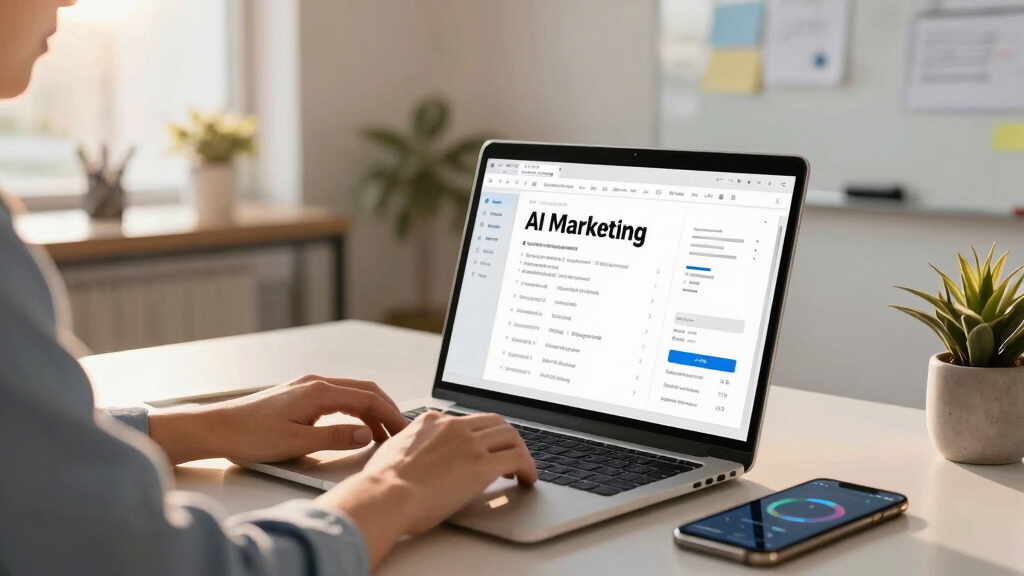
I ranked these guides by automation relevance, actionability, audience fit, workflow coverage, and likely shelf life. Higher positions went to books that connect AI activity to a repeatable marketing system rather than presenting disconnected prompts or software lists. I also rewarded clear business outcomes, such as moving leads through a funnel, reducing manual campaign work, or coordinating marketing with sales and service. Because the lineup consists of educational products rather than software subscriptions, I evaluated how well each title appears to help a reader select and apply AI tools.
My ordering gives broad, end-to-end guidance an advantage at the top, followed by practical books for small businesses and specialists addressing high-value workflows. Narrow titles can still be the better purchase when their subject matches a reader’s immediate bottleneck. I placed greater weight on transferable methods than on large tool counts because software menus become dated faster than sound workflow design. Value reflects useful scope and implementation support, not price alone, since formats and retailer pricing can change.
Factors to Consider When Choosing AI Tools For Automating Marketing
Choosing among these books starts with identifying the marketing work that needs less manual effort. I would match the resource to a specific workflow, skill level, and business model before comparing page counts or the number of tools named on the cover. The following factors help separate a useful implementation guide from a book that may remain unread.
Distinguish Learning Resources From Automation Software
Every product in this roundup is a book or instructional guide, not an AI platform that runs campaigns by itself. Buying one may teach a process, but the reader could still need separate subscriptions for email, analytics, content generation, prospecting, or workflow orchestration. I would treat the book as the operating plan and the software stack as the machinery used to carry it out. A common mistake is expecting immediate automation simply because a title names several AI tools. Before purchasing, readers should identify which recommended services require paid plans, integrations, or technical setup. This distinction makes the true cost and implementation workload much easier to estimate.
Start With the Workflow That Consumes the Most Time
A broad marketing guide can explain how channels fit together, but it may not solve a stubborn operational problem as quickly as a specialist book. I would begin by mapping repetitive tasks such as lead research, email drafting, campaign reporting, content repurposing, and follow-up. The task with the highest mix of volume, repetition, and business impact is usually the best automation target. Readers losing hours to prospect collection may gain more from a lead-generation guide than from another general strategy book. Those with healthy traffic but weak conversion may benefit more from funnel or email instruction. Choosing by bottleneck keeps the purchase tied to measurable work rather than curiosity about AI.
Match the Technical Depth to the Person Implementing It
The right level depends on who will build and maintain the workflows. A solo owner may need plain-language setup guidance, while an agency operator may prefer templates, branching logic, integrations, and client delivery systems. More technical detail is not automatically better if it prevents the reader from completing the first useful automation. At the other extreme, a basic overview can frustrate readers who already know prompt writing and need dependable process design. I would check whether a book appears to include step sequences, examples, troubleshooting, and maintenance guidance. The best fit leaves enough room to grow without making the initial setup unrealistic.
Favor Systems Over Isolated Prompts
Prompt collections can produce fast drafts, but a prompt alone does not create a reliable marketing operation. I look for guidance that connects inputs, approval steps, publishing, data capture, and follow-up into one workflow. Human review still matters where errors could damage brand voice, customer trust, deliverability, or regulatory compliance. A useful system also defines what happens when generated content is weak or an integration fails. Readers should avoid automating a broken process, since AI can multiply poor segmentation and inconsistent messaging just as easily as good work. Repeatability and quality control usually matter more than the number of prompts included.
Account for Shelf Life, Software Costs, and Measurement
Books centered on one named platform may offer concrete instructions, yet interface changes can shorten their useful life. Strategy-led guides tend to age better, though they may require more effort to convert into working automations. I would balance immediate specificity against long-term portability, especially when the recommended stack carries monthly fees. Readers should calculate software, data, integration, and training expenses alongside the book price. They also need a baseline metric such as hours saved, qualified leads created, reply rate, conversion rate, or cost per campaign. Without that baseline, a busy automated workflow can appear successful while producing little commercial value.
Frequently Asked Questions
Are These Products AI Marketing Tools or Books About Using Them?
These products are books and practical guides about choosing or applying AI in marketing; they are not software platforms. Some focus on named services such as Browse AI, PhantomBuster, or ChatGPT, while others teach broader systems. A reader will usually need separate accounts to implement the recommended workflows. I would buy a guide for process knowledge and implementation direction, then select software based on the required channels, integrations, and budget.
Should I Choose a Broad AI Marketing Guide or a Channel-Specific Book?
I would choose a broad guide when the marketing system is still being designed or several channels need coordination. A specialist title is better when one known constraint, such as email conversion, lead collection, or funnel performance, is holding back results. Broad books provide stronger context but may devote fewer pages to setup details. Specialist books can support faster execution, although their methods may not transfer cleanly to other channels. The best choice depends on whether the immediate need is strategic direction or workflow depth.
Which Guide Makes the Most Sense for Someone New to AI Marketing?
Marketing with AI For Dummies is my beginner recommendation because its positioning suggests a lower barrier to entry than the specialist playbooks. AI Skills for Small Business Owners is another suitable route for non-technical readers who need budget-aware instruction tied to daily business work. I would start with concepts, one low-risk workflow, and a human approval step. A dense directory of tools can create unnecessary setup work before the reader understands what should be automated. Beginners gain more from completing one measurable process than opening accounts across many platforms.
How Much Should I Budget Beyond the Price of the Book?
The total depends on whether the chosen workflow needs paid AI access, automation software, customer data, email delivery, or prospecting credits. Many services offer limited free tiers, but a multi-step production workflow can outgrow them quickly. I would list every required platform and calculate its monthly cost before following a book’s full setup. Starting with one process makes it easier to judge whether the time savings or added revenue supports the subscription expense. Readers should also reserve time for review, maintenance, and staff training, since automation is rarely cost-free after setup.
How Can I Tell Whether a Tool-Specific Guide Will Stay Useful in 2026?
I would check the publication or revision date, supported platforms, and whether the guidance teaches portable workflow principles alongside interface instructions. Screenshots and exact menu paths can become outdated, while lessons about segmentation, approvals, data flow, and measurement remain useful longer. A tool-specific guide is still a sensible purchase when it solves an immediate problem and the named platform is already part of the reader’s stack. Readers starting from scratch may get better longevity from a system-led book. The safest choice combines current implementation detail with methods that can move to another service.
Conclusion
For the widest view of connected automation, I recommend Marketing, Sales and Service with AI as the best overall choice. 198 AI Prompts for Business is my best value pick for readers who want usable frameworks, while AI-Powered Digital & Social Media Marketing and Business Automation is the premium curriculum-style option for broader digital and social systems. Beginners should start with Marketing with AI For Dummies, and budget-conscious owners should also examine AI Skills for Small Business Owners. For specific needs, I would choose Automating Lead Generation with AI for prospecting, The AI-Powered Email Marketing Specialist for email, AI Power Funnels for conversion systems, and The Solopreneur’s AI Marketing Advantage for running lean. The right purchase is the guide that addresses the reader’s current bottleneck and leads to one maintainable, measurable workflow.
Columbus Day / Indigenous Peoples' Day Picks
long weekend sales
As an affiliate, we earn on qualifying purchases.