
TL;DR
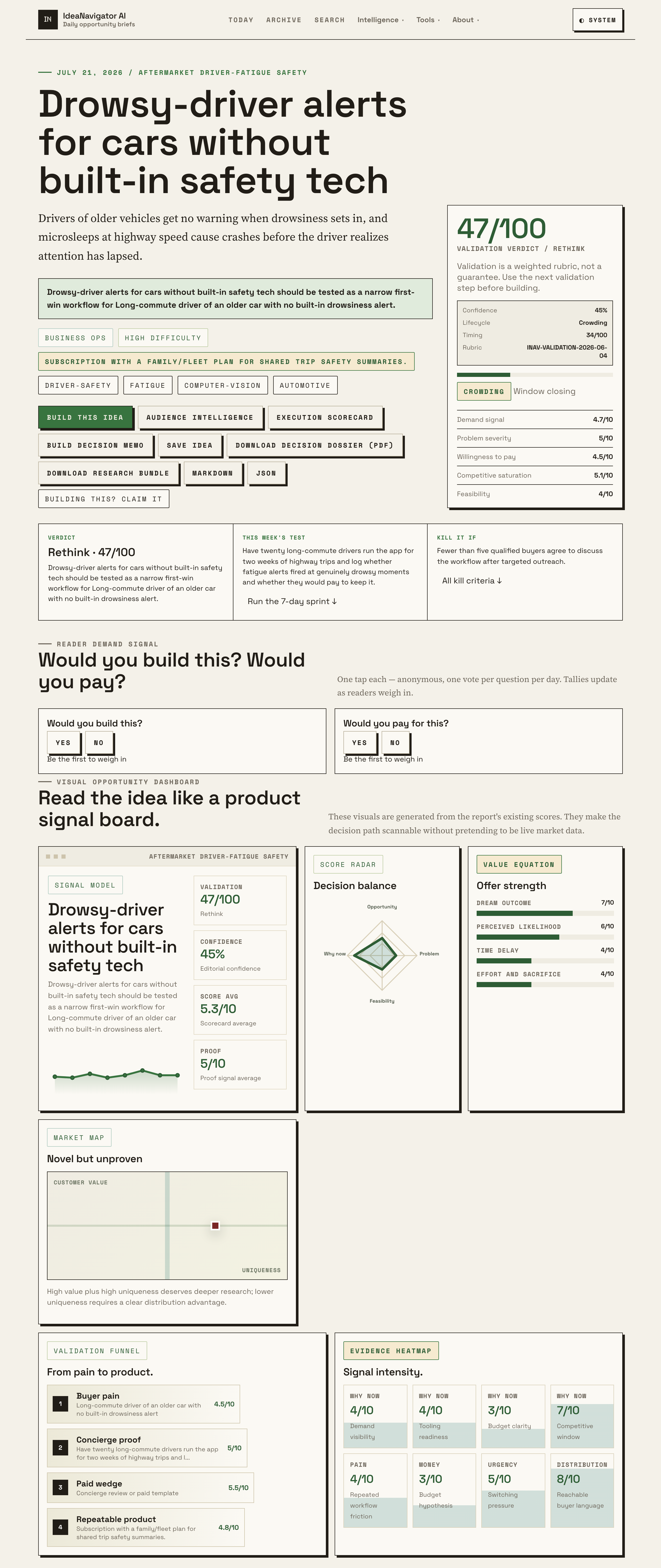
A new aftermarket app uses phone-mounted cameras to monitor eye closure and head nods, alerting drowsy drivers of older cars. It aims to reduce highway microsleeps and crashes.
Researchers and developers are testing a new aftermarket app that uses smartphone cameras to detect signs of drowsiness in drivers of older cars without built-in alerts. This innovation could help prevent microsleeps and highway crashes caused by driver fatigue, especially among long-commute drivers who lack current safety features.
The app, designed to be mounted on a vehicle’s dashboard, uses face-landmark models to monitor eye closure and head-nod patterns. When signs of drowsiness are detected, it sounds escalating alerts and prompts the driver to take a break. The technology leverages affordable components like phone mounts and on-device facial recognition, making it accessible for older vehicle owners.
According to an anonymous researcher involved in the project, the system aims to serve a specific market: long-commute drivers of older cars with no built-in drowsiness detection. The initial plan is to validate the app by having twenty drivers use it during two-week highway trips, logging alert accuracy and driver feedback. Revenue models include subscription plans for families or fleets, offering shared safety summaries.
Potential Impact on Road Safety for Older Vehicles
This development could significantly improve safety for drivers of older cars, who currently lack effective warning systems for drowsiness. By providing a low-cost, aftermarket solution, it offers a practical way to reduce highway accidents caused by fatigue. If successful, widespread adoption could lead to fewer microsleeps at high speeds, saving lives and reducing injuries.
smartphone dash mount for drowsiness detection
As an affiliate, we earn on qualifying purchases.
As an affiliate, we earn on qualifying purchases.
Growing Need for Drowsiness Detection in Non-Integrated Vehicles
Most modern vehicles now include built-in driver fatigue alerts, but older cars remain vulnerable due to the absence of such technology. The rise of affordable smartphone mounts and facial recognition models has opened the door for aftermarket solutions. Prior efforts have focused on in-vehicle sensors, but these are often costly or incompatible with older models. This app aims to fill that gap by offering an accessible, easy-to-use alternative.
“Using smartphone-based face-landmark models, we can reliably estimate eye-closure and head-nod patterns that indicate drowsiness, even in older vehicles without built-in tech.”
— an anonymous researcher
As an affiliate, we earn on qualifying purchases.
Unconfirmed Effectiveness and Adoption Challenges
It is not yet clear how accurately the app will detect drowsiness in real-world conditions or whether drivers will consistently respond to alerts. The pilot testing is still in planning stages, and broader adoption depends on user acceptance, regulatory considerations, and integration with existing vehicle systems.
eye closure detection camera for cars
As an affiliate, we earn on qualifying purchases.
As an affiliate, we earn on qualifying purchases.
Upcoming Pilot Testing and Validation Steps
The project plans to conduct pilot tests with twenty long-commute drivers over two weeks, assessing alert accuracy and driver feedback. Results from these tests will determine the app’s readiness for wider deployment and potential commercialization. Developers also aim to refine the technology based on user data before scaling up.
As an affiliate, we earn on qualifying purchases.
Key Questions
How does the app detect drowsiness in drivers?
The app uses a smartphone-mounted camera to monitor facial landmarks, specifically eye closure and head nod patterns, to identify signs of drowsiness.
Can this technology replace built-in vehicle safety features?
It is designed as an aftermarket supplement, primarily for older cars without integrated drowsiness alerts, and is not meant to replace built-in systems in newer vehicles.
Will drivers pay a subscription for this app?
Yes, the planned revenue model includes subscription plans for families and fleets, offering safety summaries and alerts during trips.
When will this app be available for general use?
Following pilot testing and validation, developers aim to refine the app for wider deployment, but a specific release date has not yet been announced.
Are there any privacy concerns with using facial recognition technology?
The project emphasizes data security and privacy, with local processing on the device and no data stored or transmitted without user consent.
Source: IdeaNavigator AI