AI automation is rapidly transforming jobs from call centers to coding. Chatbots and virtual assistants now handle inquiries and support tasks, reducing the need for human staff. In roles like data entry, retail, banking, and manufacturing, automation threatens many traditional positions. While some new opportunities emerge in tech and data analysis, adapting skills is essential. Staying informed will help you understand how these changes could impact your career and what you can do to stay ahead.
Key Takeaways
- AI chatbots are increasingly handling customer service roles, reducing the need for human call center agents.
- Routine programming and coding tasks are being automated with AI tools, impacting entry-level software jobs.
- Customer support inquiries, troubleshooting, and basic coding can now be managed by virtual assistants.
- The shift toward AI-driven jobs demands new skills in tech, data analysis, and system management.
- Workforce adaptation and upskilling are essential to compete with AI bots dominating call centers and coding roles.

As AI technology advances rapidly, jobs once considered secure are now at risk of being automated out of existence. You might have relied on customer service roles, but by 2025, 80% of those positions could be automated. Chatbots and virtual assistants are becoming more sophisticated, handling inquiries, troubleshooting, and providing support without human intervention. This shift means that many customer service representatives will need to adapt or face displacement. Similarly, data entry clerks are already vulnerable; with 7.5 million positions at risk by 2027, automation tools can process vast amounts of information faster and more accurately than humans. If you work in data management, you’ll need to develop new skills to stay relevant, such as data analysis or system management.
Retail cashiers are also feeling the pressure, with an estimated 65% risk of automation by 2025 due to self-checkout systems and automated payment solutions. You might see fewer cash registers staffed by humans, especially in larger stores. Bank tellers face a similar challenge; employment is projected to decline by 15% from 2023 to 2033, as digital banking and ATM automation replace traditional roles. If you’re in banking, expect to shift toward more technical or advisory roles rather than routine transactions.
In manufacturing, AI-driven automation could eliminate up to 2 million jobs by 2025. Robots and intelligent systems are increasingly handling complex assembly lines, quality checks, and logistics, reducing the need for manual labor. Since 2000, 1.7 million manufacturing jobs have already disappeared due to automation, and this trend is set to accelerate. If you’re in manufacturing, you’ll need to upskill toward operating, maintaining, or programming these advanced systems.
Despite these displacements, new opportunities are emerging. By 2030, about 170 million new jobs could be created, and a net gain of 78 million jobs is predicted. These new roles often demand different skills, especially in tech hubs and specialized sectors. As AI blurs traditional industry boundaries, you’ll need to embrace continuous learning. Upskilling in areas like human judgment with AI, technical translation, programming, data analysis, and digital literacy is essential. The future job market will favor those who adapt quickly and acquire skills aligned with AI integration.
Emerging opportunities by 2030 require continuous learning and skills in AI, programming, and data analysis for future job success.
The economic and social impacts are significant. An estimated 92 million jobs could be displaced globally by 2030, raising concerns about inequality and economic stability. Governments and organizations are calling for regulatory frameworks to manage the transition, but the cultural perception of work is also shifting. While AI’s adoption is gradual, its influence on the labor market is profound, emphasizing the importance of ongoing education and resilience. If you want to thrive in this evolving landscape, preparing for these changes now is more vital than ever. Additionally, understanding dark psychology tactics can provide insights into how manipulation may play a role in workforce dynamics as automation becomes more prevalent.

Mackie CR5BT 5.25" Creative Reference Powered Studio Monitors with Bluetooth, Tone Knob and Location Switch — Active Speakers for Music Production, Desktop Computer, Gaming, HiFi Listening
Mackie CR5BT Creative Reference Powered Studio Monitors combine studio-quality sound with a tone control and Bluetooth, making CR5BT...
As an affiliate, we earn on qualifying purchases.
Frequently Asked Questions
How Will AI Bots Impact Employment Rates Across Different Industries?
AI bots will likely reduce employment in roles like customer service, medical transcription, and some administrative jobs by automating routine tasks. However, they may create new opportunities in AI development, maintenance, and oversight. You might see shifts where some jobs disappear, but others emerge, especially in tech and specialized fields. Staying adaptable and gaining new skills can help you navigate these changes and find new roles in the evolving job market.
What Skills Will Be Most Valuable in an Ai-Dominated Job Market?
In an AI-dominated job market, you’ll find that technical skills like machine learning, natural language processing, and data analysis are essential. But don’t forget soft skills—empathy, creativity, and ethical judgment—remain uniquely human and highly valuable. You should also focus on continuous learning, adaptability, and hybrid roles that combine technical expertise with leadership and communication. Staying updated with AI literacy and developing a versatile skill set will keep you competitive and relevant.
How Can Workers Adapt to the Rise of AI Automation?
To adapt to AI automation, you should focus on upskilling and reskilling. Embrace continuous learning in technology, data literacy, and human-centric skills like critical thinking and emotional intelligence. Seek roles that combine your expertise with AI tools, such as oversight or strategic positions. Stay flexible, explore emerging industries, and leverage government training programs. By doing so, you’ll stay relevant and capitalize on new opportunities in an evolving job landscape.
What Ethical Considerations Surround Replacing Humans With AI Bots?
You know what they say, “Better safe than sorry.” Replacing humans with AI bots raises ethical issues like bias, discrimination, and loss of accountability. You must consider how AI systems may perpetuate societal inequalities and invade privacy. It’s vital to guarantee transparency, fair decision-making, and responsible use. Without these safeguards, you risk eroding trust, harming vulnerable groups, and creating a future where technology undermines human dignity and rights.
Will AI Bots Be Able to Handle Complex Customer Service Issues?
AI bots are increasingly capable of handling complex customer service issues. They leverage advanced NLP, machine learning, and sentiment analysis to understand and maintain context, providing expert-level support. They can automate tasks like billing or scheduling, reducing wait times and operational costs. However, for highly emotional or nuanced problems, AI still needs human agents. Overall, they’re becoming more effective, but certain situations still benefit from human empathy and creativity.
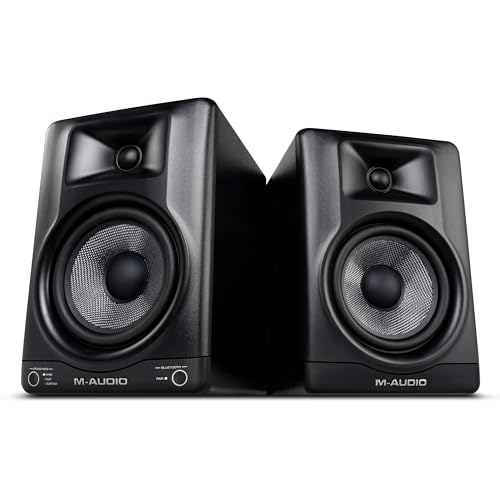
M-AUDIO BX5BT Pair 5" Desktop Studio Monitor Speakers with DSP and Bluetooth with App Control, for Music Production, Video Edits, Content Creation, Podcasting
Pro-Grade Sound in a Compact Design – Experience studio-quality clarity with 240W of bi-amplified power, delivering full-range audio...
As an affiliate, we earn on qualifying purchases.
Conclusion
You might worry about losing your job, but remember, AI can create new opportunities too. Instead of fearing automation, see it as a chance to learn new skills and grow. While bots might handle routine tasks, your creativity, empathy, and problem-solving are irreplaceable. Embrace change, and you’ll find that adapting now can lead to a brighter, more innovative future. Don’t let fear hold you back—your unique human touch still matters more than ever.
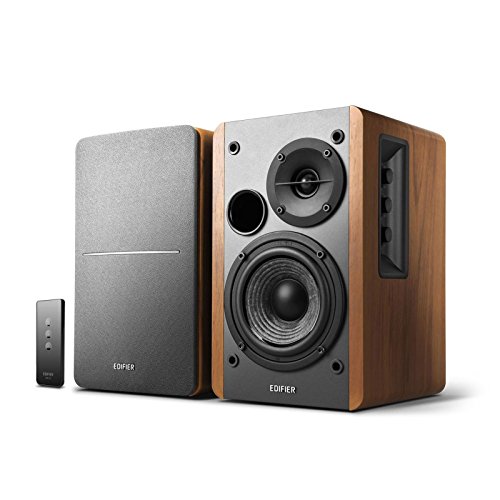
Edifier R1280T Powered Bookshelf Speakers - 2.0 Active Near Field Studio Monitor Speaker - Wooden Enclosure - 42 Watts RMS Power
2 x AUX INPUT - Convenient connection to any device that has a 3.5mm headphone output or dual...
As an affiliate, we earn on qualifying purchases.

(2) JBL 305P MkII 5" 2-Way Active Powered Studio Reference Monitors Speakers
PACKAGE INCLUDES: (2) 305P MkII 5 2-Way Powered Studio Reference Monitor Monitoring Speaker
As an affiliate, we earn on qualifying purchases.