
TL;DR

Get business pricing on tech for your team
- Business-only prices and quantity discounts
- Tax-exempt purchasing
- Multiple users, one account, clear invoices
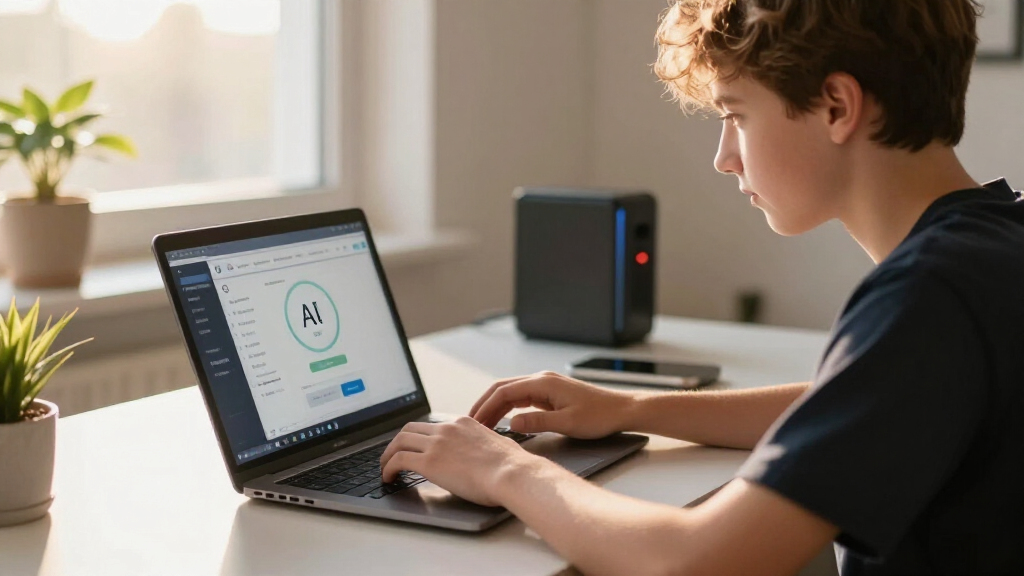
OpenAI has announced a position supporting teenagers’ access to safe artificial intelligence. However, detailed safety measures, age verification methods, and policy specifics have not yet been disclosed. The development signals a shift in industry dialogue but leaves many questions unanswered.
OpenAI has published a webpage titled “Why teens deserve access to safe AI,” signaling its support for providing teenagers with access to artificial intelligence tools under safety considerations. The statement, hosted on OpenAI’s website, does not specify any particular safeguards, policies, or implementation plans, nor does it confirm new product launches or regulatory proposals. This development highlights a shift toward recognizing youth engagement with AI, though details remain limited.
The webpage emphasizes the importance of enabling teenagers’ access to AI while advocating for safety, as detailed in the original analysis, but it does not specify what measures would ensure this safety. No information is available about age verification systems, parental controls, content restrictions, or privacy protections. The statement is a broad position rather than a detailed policy or product announcement.
OpenAI’s support for youth access comes amid ongoing debates about digital literacy, privacy, and content safety for minors. For more context, see the detailed discussion in the original analysis. The company’s statement does not clarify whether it supports specific restrictions or minimum age limits, nor does it address how safety would be enforced or verified. The absence of concrete safeguards or evidence raises questions about how the position will translate into actual policy or product features.
Implications of OpenAI’s Support for Teen AI Access
This announcement matters because it signals a potential shift in the AI industry’s approach to youth engagement and safety. As AI tools become more integrated into education and daily life, ensuring safe access for teenagers could influence policies, product design, and regulatory standards. However, without specific safety measures or verification methods, the actual risks and protections remain uncertain.
The move could impact families, educators, policymakers, and tech companies as they navigate balancing access and safety. The industry’s stance may influence future regulations and product development, but the lack of detailed safeguards leaves open questions about practical safety and oversight.
As an affiliate, we earn on qualifying purchases.
Background on Youth and AI Access Debates
Teenagers are already active users of digital platforms and AI-powered services, raising ongoing concerns about content appropriateness, privacy, and dependency. Industry discussions have focused on how to provide meaningful access while protecting minors from harmful content and data misuse.
Until now, most AI providers have implemented age restrictions, parental controls, or content filters without a unified industry stance supporting broader access for youth. OpenAI’s recent position marks a notable shift, emphasizing the right to access paired with safety, but it stops short of detailing how that safety will be achieved.
“Advocating for access without clear safety protocols could expose minors to risks like misinformation or privacy violations.”
— Digital safety expert Dr. Lisa Chen
age verification AI tools for teens
As an affiliate, we earn on qualifying purchases.
As an affiliate, we earn on qualifying purchases.
Unclear Details on Safety Measures and Implementation
It remains unclear which specific safety protections OpenAI advocates, how they would verify age, or how parental involvement would be managed. There is no information on testing results, incident rates, or independent evaluations supporting the safety of AI for teenagers under the proposed approach. The scope of safeguards and their enforcement are still unknown, as is whether the position applies universally or varies by jurisdiction.
content filtering software for minors
As an affiliate, we earn on qualifying purchases.
As an affiliate, we earn on qualifying purchases.
Next Steps in Policy Clarification and Safety Verification
OpenAI is expected to publish more detailed policies, safety standards, and product documentation in the coming months. Stakeholders should monitor for updates on age verification methods, content restrictions, and safety testing. Regulatory bodies and independent researchers may also evaluate the safety measures once they are disclosed, shaping future industry standards and potential legislation.
privacy protection AI apps for teenagers
As an affiliate, we earn on qualifying purchases.
As an affiliate, we earn on qualifying purchases.
Key Questions
Does OpenAI plan to launch a specific AI product for teenagers?
There is no confirmed information about a new product or service targeted specifically at teenagers. The current statement is a position support, not an announcement of a new offering.
What safety measures might be implemented for teen AI access?
Specific safeguards have not been detailed. Potential measures could include age verification, parental controls, content filters, or privacy protections, but these remain speculative until further information is provided.
Will this position lead to regulatory changes?
It is too early to determine. The announcement could influence future policies, but concrete regulatory changes will depend on additional details from OpenAI and policymakers.
How does this affect existing AI services used by teens?
Currently, there is no change to existing services. The statement supports future access under safety conditions, but implementation details are still pending.
When can we expect more information?
OpenAI is likely to release further details, including safety standards and product policies, in the coming months. Stakeholders should stay tuned for official updates.
Source: ThorstenMeyerAI.com
Fall Picks
fall essentials
As an affiliate, we earn on qualifying purchases.