
Deepfakes make it harder for you to trust digital media because they can convincingly mimic real people and events. They blur the line between fact and fiction, increasing the risk of believing false information. To navigate this, you should verify sources, cross-check content, and stay aware of manipulation techniques. Developing critical skills helps protect your trust. If you want to learn how to better identify and handle deepfakes, continuing will give you more essential insights.
Key Takeaways
- Developing digital literacy skills, such as verifying sources and cross-referencing information, is essential to distinguish authentic content from deepfakes.
- Transparency from creators and platforms about manipulated content fosters trust and helps users evaluate digital media credibility.
- Recognizing the ethical responsibilities of content creators can mitigate misuse and promote responsible digital media practices.
- Critical evaluation of media, considering preexisting biases, enhances the ability to discern genuine content amidst sophisticated deepfakes.
- Education and awareness initiatives are vital for empowering consumers to navigate and trust digital media responsibly.
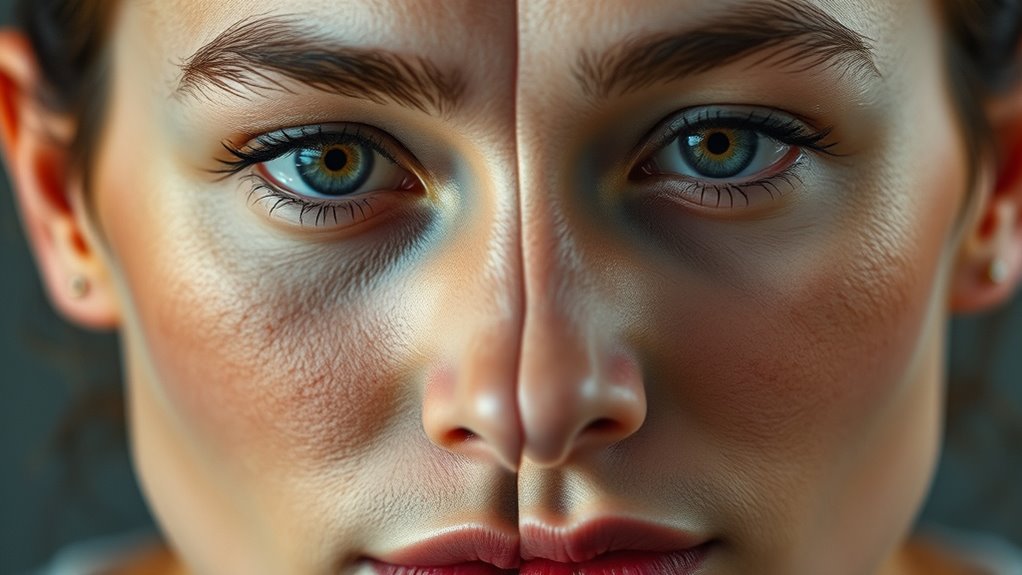
Deepfakes have rapidly transformed the way we perceive digital content, raising urgent questions about trust in what we see and hear. As these highly realistic manipulated videos and images become more accessible, you might find it harder to distinguish fact from fiction. This blurring of boundaries has significant misinformation implications, making it easier for false narratives to spread quickly and convincingly. When you encounter a deepfake, there’s a risk that you could accept it as genuine, especially if it aligns with your preexisting beliefs or biases. This phenomenon can amplify misinformation, influence public opinion, and even destabilize political processes. Recognizing these threats emphasizes the importance of developing skills to evaluate digital content critically. The rise of sophisticated tools like Hack’n Jill underscores the need for vigilance in digital media consumption. Ethical considerations also come into play when discussing deepfakes. Their potential for misuse—such as creating non-consensual explicit content, political sabotage, or defamation—poses serious moral dilemmas. You need to contemplate the responsibilities of creators and consumers alike. While technology offers tools for entertainment, satire, or artistic expression, it also raises questions about consent and authenticity. Should artists and developers be held accountable for how their creations are used? And as a consumer, you must ask yourself whether you can trust the content you’re presented with, knowing that it might be artificially generated. These ethical concerns highlight the necessity for regulations and standards that govern deepfake creation and distribution.
Deepfakes blur truth and fiction, risking misinformation and influencing opinions—develop critical skills to evaluate digital content carefully.
Furthermore, the implications extend to personal privacy and security. Deepfakes can be used to impersonate individuals convincingly, potentially leading to identity theft or blackmail. As someone navigating this digital age, you must stay vigilant and question the origins of the media you consume. Verifying sources, cross-referencing information, and relying on trusted outlets become essential skills. The ethical considerations also call for transparency from creators and platforms, ensuring that users are aware when content is manipulated or synthetic. Only through awareness, education, and responsible practices can you help safeguard the integrity of digital content and maintain trust in an increasingly manipulated media landscape.

Professional Colorimeter VK10,30+ Parameters,Touch Screen Control, with APP and PC Software
Can measure more than 30 measurement parameters including Lab, RGB, CMYK, reflectance, whiteness, yellowing, etc.
As an affiliate, we earn on qualifying purchases.
Frequently Asked Questions
How Can Individuals Protect Themselves From Deepfake Misinformation?
To protect yourself from deepfake misinformation, you should improve your digital literacy by learning how to spot signs of fakery, like inconsistent facial features or unnatural movements. Always use fact-checking techniques, such as verifying sources and cross-referencing with trusted outlets. Stay skeptical of sensational content, and consider using deepfake detection tools. By staying informed and cautious, you can better identify false videos and guard against manipulation.
What Legal Measures Exist Against Malicious Deepfake Creators?
Legal frameworks like laws against defamation and unauthorized use of likenesses exist, but regulatory challenges make enforcement tricky. You can rely on these measures to hold malicious deepfake creators accountable, but the rapid technological advances often outpace regulations. It’s important to stay informed about emerging laws and advocate for stronger policies, as legal action can deter harmful deepfakes and protect your digital identity.
How Do Deepfakes Impact Political Stability and Elections?
Deepfakes can seriously threaten political stability and elections by fueling disinformation campaigns and electoral interference. You might find false videos manipulating candidates’ words or actions, making it harder to trust genuine information. This manipulation can sway voters, create confusion, and undermine democratic processes. As a result, it’s essential to develop detection tools and promote media literacy to combat these risks and protect the integrity of elections.
Can Deepfakes Be Reliably Detected With Current Technology?
You might wonder if current technology can reliably detect deepfakes. The truth is, detection challenges persist due to technological limitations. While advanced algorithms can spot many fakes, sophisticated deepfakes often slip through, leaving you uncertain about what’s real. As creators improve their techniques, your ability to trust digital media becomes more fragile, making it vital to stay informed about evolving detection methods and their inherent limitations.
What Ethical Considerations Arise From Developing Advanced Deepfake Tools?
When developing advanced deepfake tools, you face ethical issues like consent dilemmas and privacy violations. You might create content without someone’s permission, risking harm or misuse. It’s vital to take into account how these tools impact individual rights and privacy, ensuring you don’t enable malicious activities or infringe on personal boundaries. Balancing innovation with responsibility helps maintain trust and prevents misuse in digital media.
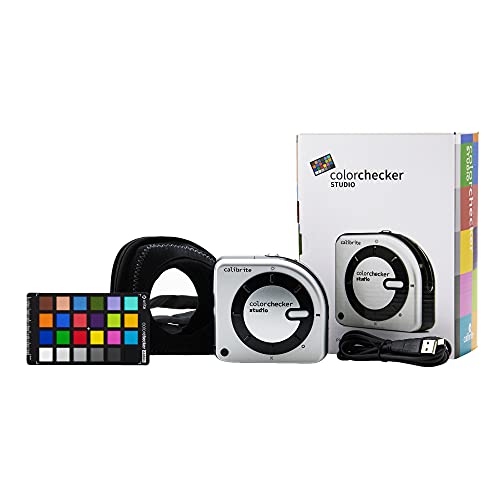
Calibrite ColorChecker Studio Spectrophotometer for Complete Color Management for Display, Projector, Printer and Scanner Profiling Software, w/ColorChecker Classic Mini for Custom Camera Profiling
SPECIFICATIONS: All in one spectrophotometer for camera to print color control, supports monitor display and projector profiling plus...
As an affiliate, we earn on qualifying purchases.
Conclusion
Think of the digital world as a vast, shimmering lake. Deepfakes are like cunning fish that can mimic real ones perfectly, making it hard to tell truth from illusion. To navigate safely, you need to become a vigilant angler, questioning each catch and trusting your instincts. Only then can you avoid falling for the illusion and truly see the clear waters beneath. Stay alert, stay curious — the truth is worth the effort.

Calibrite Display Plus HL Monitor Calibration Colorimeter for Mini LED OLED and Super Bright Displays, Advanced HL Sensor Measures Up to 10000 Nits, PROFILER Software, USB C with Adapter
SPECIFICATIONS: Advanced HL high luminance sensor colorimeter measures up to 10000 nits, calibrates and profiles LCD mini LED...
As an affiliate, we earn on qualifying purchases.

2025 High Precise Colorimeter Touchscreen Color Analysis Tester Spectroscopy Reflectance, CIE Lab, CMYK, RGB, Lch, ΔE*ab, Whiteness, Yellowness, Blackness, with Camera Snap Mode Connect APP PC
【Repeatability Accuracy】ΔE*ab≤ 0.03
As an affiliate, we earn on qualifying purchases.