
You might be wondering why the launch of the $TRUMP coin has stirred such intense backlash. Critics argue it's more than just a cash grab; it's a move that threatens the integrity of the cryptocurrency market. With concerns about legitimacy and market manipulation rising, the implications for both investors and the broader financial landscape are significant. What does this mean for the future of serious crypto projects? The answers may surprise you.

Get tech for your team delivered free — and shop member deals
- Fast, free delivery on millions of items
- Access to Prime Big Deal Days deals on October 6–7
- Prime Video, Amazon Music and more included
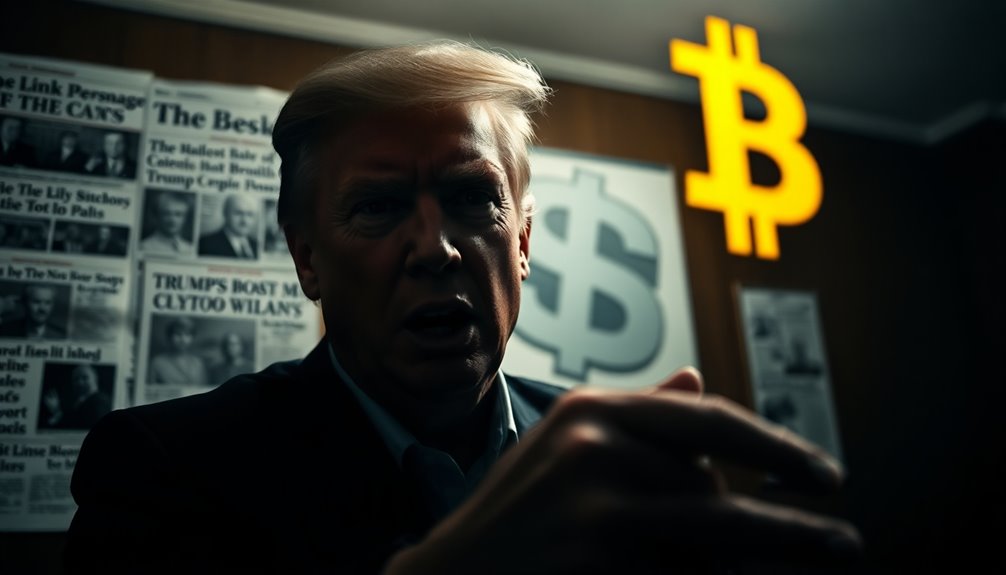
As Trump launches his $TRUMP coin, critics are quick to voice their concerns about the implications for the cryptocurrency landscape. With a market cap of about $7 billion, this launch has stirred the pot, especially as it coincides with expectations of a crypto-friendly administration. However, many in the industry believe this is a step backward, undermining efforts to legitimize digital assets. They worry that associating with a meme coin like $TRUMP makes the entire sector appear unserious.
You might find it troubling that critics perceive this move as a cash grab. The crypto community is concerned that Trump's wealth linked to cryptocurrency could skew regulatory decisions in his favor, raising ethical eyebrows. Trump's significant stake in the cryptocurrency industry adds further complexity to the situation.
The volatility of meme coins poses another risk; they can easily be manipulated by large investors. As a result, the $TRUMP coin could spark market instability, which may end up harming everyday investors. While Trump's administration promises to establish a federal regulatory framework for digital assets, skeptics argue that focusing on meme coins could hinder meaningful reforms. Instead of promoting responsible practices, the emphasis on speculative assets might inflate a bubble that could burst, damaging the financial stability of millions.
You may wonder whether the buzz surrounding the launch of $TRUMP is worth the long-term implications for the entire cryptocurrency market. Additionally, some crypto enthusiasts miss the regulatory clarity provided by the previous administration. They seek a lighter regulatory touch that allows for greater integration of digital assets into mainstream finance. However, the current focus on $TRUMP coin risks overshadowing these aspirations, steering the conversation away from more critical regulatory discussions.
The economic and social implications of this launch are significant. The surge in crypto prices following Trump's inauguration reflects market optimism, but it's essential to consider the sustainability of such growth. The association with meme coins could damage public perception of cryptocurrency's legitimacy, making it harder for serious projects to gain traction.
Ultimately, while there may be excitement surrounding the $TRUMP coin, many critics argue this move does more harm than good. As you engage in discussions about cryptocurrency, keep in mind the broader consequences of associating with such speculative assets. The future of digital currencies may depend on whether the industry can navigate these murky waters successfully.
Top picks for "trump x2019 crypto"
As an affiliate, we earn on qualifying purchases.
Halloween Picks
halloween
As an affiliate, we earn on qualifying purchases.