
🔍 Read the full analysis: Why AI Is The Future For Seamless Plumbing & HVAC Coordination on ThorstenMeyerAI.com

Get business pricing on tech for your team
- Business-only prices and quantity discounts
- Tax-exempt purchasing
- Multiple users, one account, clear invoices
TL;DR
Artificial intelligence is now being integrated into construction workflows for plumbing and HVAC systems, enabling real-time coordination, reducing errors, and streamlining project management. This development promises significant efficiency gains but remains in early adoption stages.
Artificial intelligence is increasingly being integrated into construction workflows for plumbing and HVAC systems, offering a new level of coordination that reduces errors and accelerates project timelines. This shift is driven by the need for more precise planning and real-time data management, especially in complex building projects involving multiple trades.
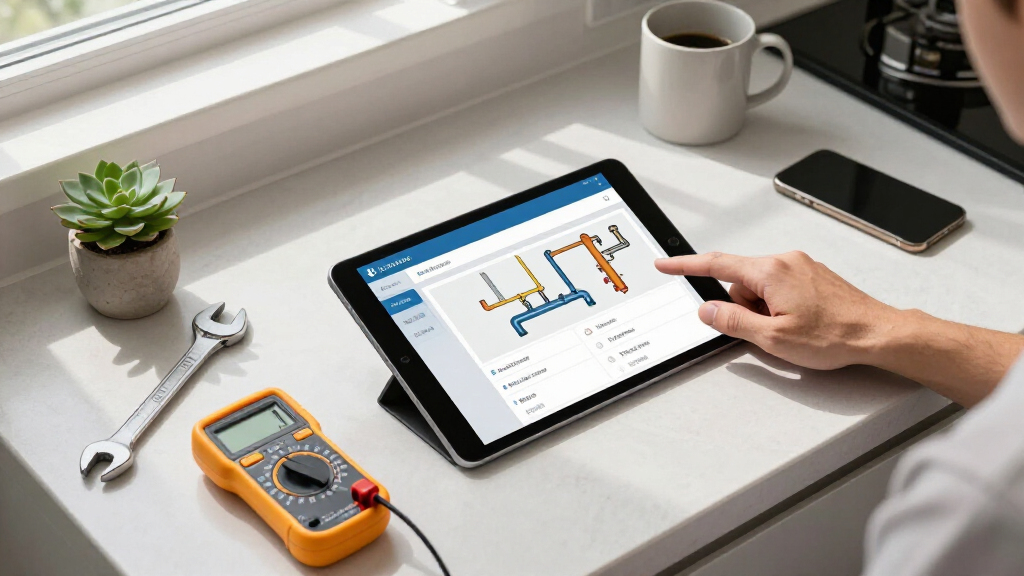
Gewerkton, a platform developed by Thorsten Meyer AI, exemplifies this trend by providing a comprehensive, voice-first solution for construction documentation and defect management in building services. It incorporates AI to automatically detect conflicts in routing, verify wall and shaft alignments, and generate accurate documentation before concrete is poured, significantly reducing unplanned breakthroughs.
According to industry sources, the platform has helped reduce uncoordinated breakthroughs per project from over 40 to fewer than five, and has cut leak location times from two days to just 20 minutes using photo archives. For more details, see the original analysis on Gewerkton’s impact. These improvements directly impact project margins and client satisfaction, as fewer delays and rework are required.
Thorsten Meyer emphasizes that AI-driven coordination tools are transforming the way trades interact on-site, enabling real-time updates, better planning, and fewer costly mistakes. The platform’s integration with regional standards and multiple languages makes it adaptable for global markets, further accelerating adoption in the construction industry.
Why AI-Driven Coordination Is a Game-Changer for Construction
The adoption of AI in plumbing and HVAC coordination addresses longstanding inefficiencies and safety concerns in building projects. By enabling early detection of conflicts and automating documentation, AI reduces costly rework, shortens project timelines, and improves overall quality. For contractors, this translates into higher margins and more predictable project delivery. For clients, it means fewer delays and better building performance.
Additionally, AI-powered platforms facilitate better data management post-handover, supporting maintenance and warranty management, which can generate ongoing revenue streams for service providers. This integration of AI not only optimizes construction processes but also enhances building lifecycle management, making AI a strategic asset in modern building services.
AI-powered plumbing coordination tools
As an affiliate, we earn on qualifying purchases.
As an affiliate, we earn on qualifying purchases.
Evolution of Construction Coordination and the Role of AI
Traditionally, plumbing and HVAC trades have relied on manual planning, static drawings, and on-site adjustments, leading to frequent conflicts and delays. Breakthroughs that are not properly coordinated often result in rework, wall damage, or leaks, increasing costs and project durations. Over the past decade, digital tools have improved documentation and planning, but many processes still depend heavily on manual oversight.
Recently, the industry has begun adopting AI-driven platforms that automate conflict detection, generate real-time updates, and verify installation plans before execution. These innovations are part of a broader digital transformation in construction, aiming to make building projects more predictable, efficient, and safer. The platform Gewerkton, developed by Thorsten Meyer AI, exemplifies this shift by integrating AI with construction standards and regional data to optimize workflows for global markets.
As an affiliate, we earn on qualifying purchases.
Remaining Challenges and Adoption Barriers
While early results are promising, widespread adoption of AI in plumbing and HVAC coordination faces several hurdles. These include integration with existing workflows, industry resistance to change, and the need for standardized data inputs. Additionally, the long-term reliability of AI conflict detection in complex, real-world scenarios remains under evaluation, with some skepticism about AI’s ability to handle all edge cases without human oversight.
Further research and pilot projects are necessary to validate AI’s effectiveness across diverse project types and regions. It is also unclear how quickly industry standards and regulations will evolve to accommodate AI-based workflows.
construction project management tablets
As an affiliate, we earn on qualifying purchases.
As an affiliate, we earn on qualifying purchases.
Next Steps Toward Broad AI Integration in Building Services
Industry stakeholders are expected to conduct more pilot projects and expand AI platform capabilities, including deeper integration with Building Information Modeling (BIM) and IoT systems. Regulatory bodies may develop standards to ensure AI safety and interoperability, encouraging wider adoption. Meanwhile, software providers will likely enhance user interfaces and AI accuracy based on ongoing feedback.
In the near term, expect to see increased collaboration between AI developers and construction firms, with more case studies demonstrating tangible benefits. The goal is to establish AI as a standard component of building services coordination, ultimately transforming construction workflows globally.
building services defect management platform
As an affiliate, we earn on qualifying purchases.
As an affiliate, we earn on qualifying purchases.
Key Questions
How does AI improve plumbing and HVAC coordination?
AI automates conflict detection, verifies routing plans, and generates accurate documentation before construction begins, reducing errors, rework, and delays.
What are the main benefits of using AI in construction projects?
Key benefits include reduced uncoordinated breakthroughs, faster leak detection, improved project margins, and better post-handover maintenance management.
Are there any limitations or risks associated with AI adoption?
Challenges include integration with existing workflows, data standardization, and ensuring AI reliability in complex scenarios. Industry-wide standards are still developing.
Will AI replace human tradespeople in construction?
AI is intended to augment human decision-making and coordination, not replace skilled trades. It aims to improve accuracy and efficiency while supporting workers.
When can we expect AI to become standard in construction projects?
While early adoption is underway, widespread standardization and regulatory approval may take several years, with more pilot projects and industry collaboration expected in the near future.
Source: ThorstenMeyerAI.com
Halloween Picks
halloween
As an affiliate, we earn on qualifying purchases.