CRISPR 3.0 brings remarkable improvements in gene editing, allowing you to target specific DNA sequences with much greater accuracy. This version reduces off-target effects, making changes safer and more efficient. It opens new possibilities for curing genetic diseases, improving agriculture, and addressing environmental challenges. However, its advancements also raise ethical and regulatory questions. To understand how these developments could impact you and society, keep exploring the key issues involved.
Key Takeaways
- CRISPR 3.0 enhances targeting accuracy, minimizing off-target effects for safer gene editing.
- It offers increased accessibility, enabling broader use in medicine, agriculture, and environmental applications.
- Advances allow for more precise genetic modifications, improving potential treatments for genetic diseases.
- The technology’s higher accuracy raises ethical considerations about human, animal, and plant genome editing.
- Ongoing regulatory and societal discussions are essential to ensure responsible development and application.
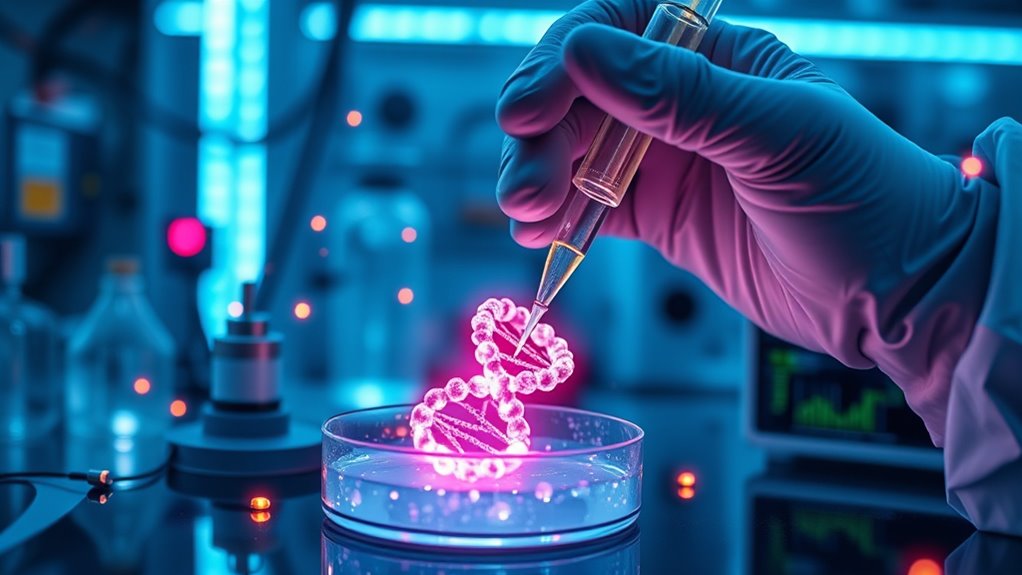
Have you ever wondered how gene editing is evolving? With advancements like CRISPR 3.0, the technology is becoming more precise and accessible, opening up new possibilities for medicine, agriculture, and beyond. But as these innovations progress, they also bring complex ethical concerns and regulatory challenges that you need to contemplate. The leap to even greater precision means that gene editing can target specific DNA sequences with incredible accuracy, reducing off-target effects that once limited earlier versions of CRISPR. This refinement offers the potential to cure genetic diseases, eliminate pests, and improve crop yields more effectively than ever before. Additionally, the development of sustainable practices in gene editing aims to minimize environmental impacts and promote eco-friendly solutions. However, these advancements aren’t without their controversies. Society grapples with questions about what’s morally acceptable—should we edit human embryos, for instance, or genetically modify animals and plants? These ethical concerns are at the forefront because the technology’s power to alter life raises profound moral dilemmas about playing a role in shaping future generations.
Alongside these moral questions, regulatory challenges loom large. Different countries have varying laws governing gene editing, and steering through these rules can be complicated. Some nations impose strict bans or limitations on editing human embryos, while others are more permissive, creating a patchwork of legal standards that complicate international research and development. As CRISPR 3.0 pushes the boundaries of what’s possible, regulators face the tough task of establishing guidelines that ensure safety without stifling innovation. You might wonder how to balance the promise of groundbreaking therapies with the risk of unintended consequences, such as unforeseen genetic mutations or ecological impacts. The challenge lies in creating frameworks that protect public health and ethical integrity while fostering scientific progress.
Moreover, public perception plays a vital role in shaping regulatory policies. Misinformation, fears about “designer babies,” and concerns over eugenics influence how governments and organizations set their rules. Transparency and open dialogue are essential to build trust and ensure that gene editing advances responsibly. As you follow these developments, it’s clear that the evolution of CRISPR technology isn’t just about scientific breakthroughs; it’s also about steering a complex landscape of moral responsibility and legal oversight. As the technology becomes more precise, so too must the conversations around its ethical use and regulation. Only by addressing these challenges head-on can society safely harness the extraordinary potential of CRISPR 3.0, ensuring that its benefits are realized ethically and responsibly for generations to come.

DIY Bacterial Genome Engineering CRISPR Kit
All-In-One kit, you don't need anything else but water and a microwave
As an affiliate, we earn on qualifying purchases.
As an affiliate, we earn on qualifying purchases.
Frequently Asked Questions
How Does CRISPR 3.0 Differ From Previous Versions?
CRISPR 3.0 improves gene editing by enhancing gene specificity, meaning you can target precise DNA sequences more accurately. It also reduces off-target effects, which are unintended edits elsewhere in the genome. This version uses advanced molecular tools to make your edits safer and more reliable. As a result, you experience fewer errors and better control over your gene editing projects, making CRISPR 3.0 a significant step forward.
What Are the Potential Ethical Concerns With CRISPR 3.0?
You might think CRISPR 3.0’s precision solves all ethical issues, but it actually sharpens moral dilemmas. As you edit genes more accurately, concerns over genetic privacy grow—who owns the edited DNA? It’s ironic that greater control leads to deeper questions of responsibility and consent. You must consider the potential misuse, unintended consequences, and the societal divide over who benefits, making ethics just as complex as the science itself.
Can CRISPR 3.0 Be Used Safely in Humans?
Yes, CRISPR 3.0 can be used safely in humans if you carefully mitigate off-target effects and consider germline editing risks. Researchers are improving precision to reduce unintended mutations, but you should still proceed with caution. Ongoing trials and strict regulations help ensure safety. While promising, it’s essential to balance the benefits with potential ethical concerns, especially around germline modifications that affect future generations.
What Are the Limitations of CRISPR 3.0 Technology?
Think of CRISPR 3.0 like a precision instrument, but even the sharpest tools have limits. You might face off-target effects, where unintended parts of the genome get edited, and delivery challenges, making it hard to get the editing components to the right cells. These limitations can slow progress and raise safety concerns, meaning you need to refine delivery methods and improve accuracy for broader, safer use.
How Might CRISPR 3.0 Impact Future Medical Treatments?
You can expect CRISPR 3.0 to revolutionize future medical treatments by making gene therapy more precise and effective. It enables personalized medicine, allowing tailored treatments for individual genetic profiles. This tech could cure genetic diseases, prevent conditions before symptoms appear, and improve overall health outcomes. As a result, you’ll see faster, safer, and more targeted therapies, transforming how healthcare addresses genetic disorders and enhances longevity.
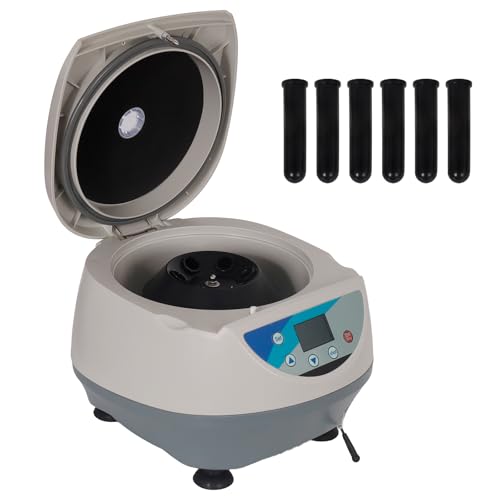
PRP Centrifuge Machine, 6x15ml Centrifuge Tubes, 500-5000 RPM Centrifugadora De Plasma, Lab Equipment Suitable for Analytical Laboratories, Biology, and Genetic Engineering
【Powerful Centrifugal】The centrifuge machine features a powerful brushless motor with a high-performance design. It offers a wide range…
As an affiliate, we earn on qualifying purchases.
As an affiliate, we earn on qualifying purchases.
Conclusion
So, with CRISPR 3.0, you’re basically wielding a microscopic scalpel with the precision of a laser-guided missile. Imagine editing genes like trimming bonsai trees—except now, you can do it without accidentally turning your pet goldfish into a unicorn. It’s like giving humanity a shiny new set of tools for the genetic playground, but beware: one wrong move, and you might end up with a dinosaur or a walking avocado. Happy editing!

DNA Sequencing
As an affiliate, we earn on qualifying purchases.
As an affiliate, we earn on qualifying purchases.

empowerDX MTHFR Gene Test Kit, Methylation Test, Easy At-Home Test Detects Presence of 677 and 1298 MTHFR Gene Variants, Ages 2+, Fast Results Within 6 Days
TEST FOR VARIANTS OF MTHFR: Verify if you have a variant of the methylation gene; certain MTHFR gene…
As an affiliate, we earn on qualifying purchases.
As an affiliate, we earn on qualifying purchases.