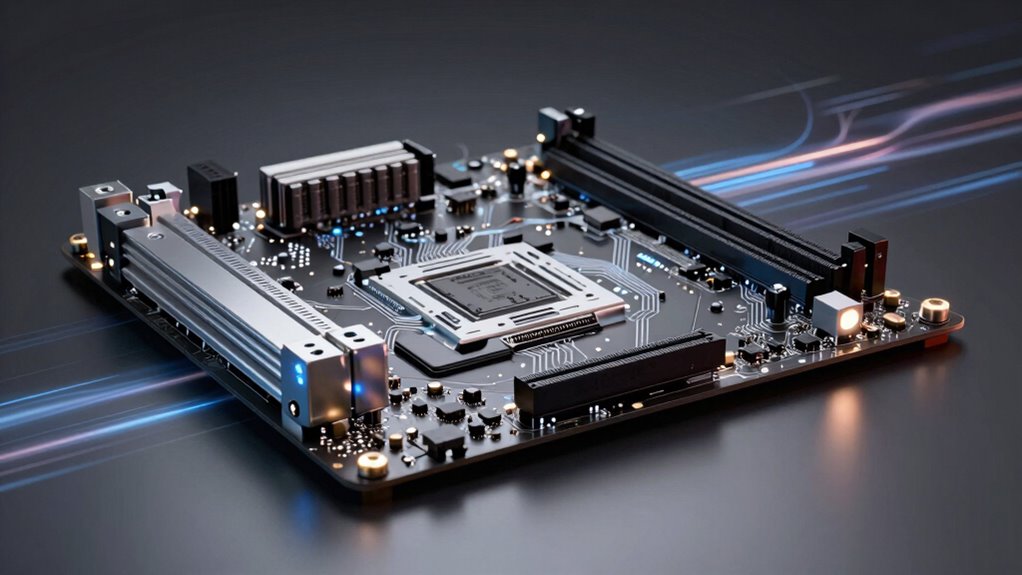

Fast hardware cycles can shake your confidence in a product’s durability and long-term value. When updates come out frequently, you might hesitate to invest, fearing the next version will quickly make your device seem outdated or unreliable. It creates uncertainty about whether your purchase will last or perform well over time. If you want to understand how these rapid changes influence your buying decisions and what to look out for, keep exploring further.
Key Takeaways
- Rapid hardware cycles can cause buyers to delay purchases, fearing obsolescence before fully utilizing their devices.
- Frequent updates may diminish confidence if new features offer minimal improvements, leading to skepticism.
- Steady release schedules build trust by emphasizing product stability and long-term support.
- Excessively fast cycles can create uncertainty, making consumers hesitant to invest in hardware that quickly becomes outdated.
- Balanced update pacing enhances perceived value, encouraging more confident and committed purchasing decisions.
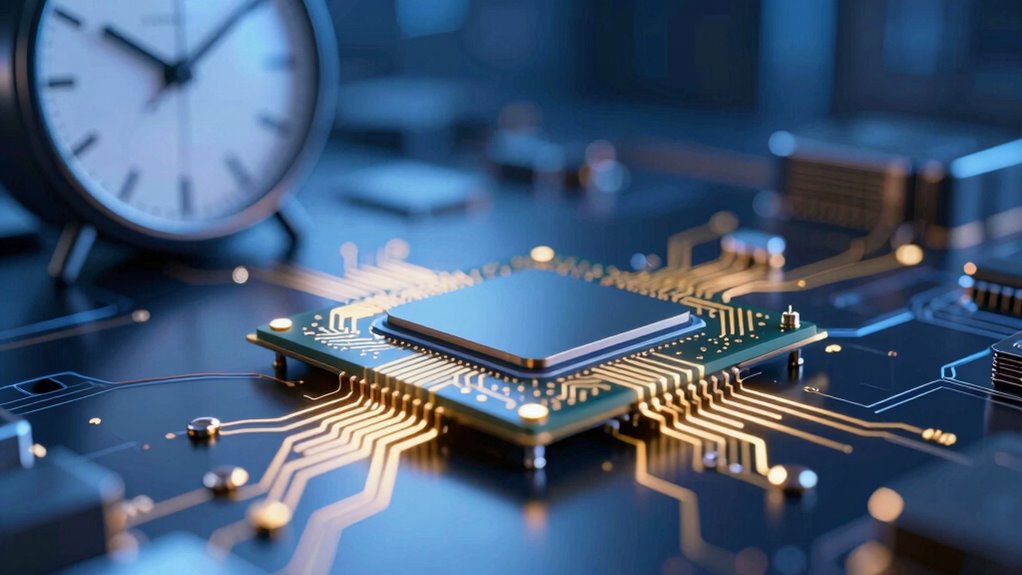
Understanding hardware cycles is essential because they directly influence buyer confidence and market stability. When hardware manufacturers release new products frequently, it signals ongoing tech innovation, which can excite consumers enthusiastic for the latest features. However, if updates come too quickly or seem rushed, buyers might become skeptical about the longevity and reliability of current hardware. This rapid turnover can create uncertainty, making consumers hesitant to invest in expensive devices, fearing they’ll be outdated soon after purchase. Conversely, longer hardware cycles might foster a sense of stability, reassuring buyers that the products they buy will remain relevant for a reasonable period. This steady approach encourages trust, as customers feel they’re making investments in durable, well-supported devices. Additionally, market stability can influence overall consumer sentiment and willingness to commit to high-value purchases. Recognizing the importance of hardware refresh rates can help consumers better navigate market trends and make informed decisions.
Fast hardware cycles often stem from the desire to stay ahead in a highly competitive market. While frequent updates can showcase a company’s commitment to tech innovation, they can also lead to market instability if consumers perceive the pace as unsustainable. When new hardware arrives too often, it can create a “what’s next” mentality, where buyers are always waiting for the next big release instead of appreciating what they already own. This can diminish overall buyer confidence, especially if the new updates don’t substantially improve performance or user experience. On the other hand, a slow but steady hardware cycle might signal that a company prioritizes quality and stability over chasing every trend, which can strengthen market stability and consumer trust. Moreover, product lifecycle is an important factor for consumers to consider when evaluating the long-term value of their investments. Additionally, a balanced hardware cycle can also influence perceptions of product value and long-term support. Understanding how competitive pressures influence release schedules can help consumers better interpret the motivations behind hardware updates.
Your perception of hardware cycles influences how you approach purchasing decisions. If you notice rapid product launches, you might feel pressured to upgrade frequently, boosting short-term sales but risking long-term market instability. Alternatively, when hardware updates are less frequent and more thoughtfully released, you’re more likely to view your investments as worthwhile, trusting that they’ll remain relevant for a sufficient period. Companies that strike a balance between tech innovation and stable release cycles tend to foster greater buyer confidence, ensuring their products remain desirable without overwhelming customers. Ultimately, understanding how fast hardware cycles operate helps you gauge whether a manufacturer prioritizes continuous innovation or values market stability, empowering you to make smarter, more confident purchasing choices.

AsperX Laptop Power Bank, 165W 20,000mAh Retractable Cable Aluminum Unibody
- Built-in Retractable Cable: Instant charging without searching for cords
- Compact and Portable Design: 20% smaller for easy portability
- High Power Output: 165W fast charging for devices
As an affiliate, we earn on qualifying purchases.
As an affiliate, we earn on qualifying purchases.
Frequently Asked Questions
How Do Hardware Cycle Lengths Vary Across Different Tech Sectors?
Hardware cycle lengths vary across tech sectors due to factors like component innovation and market saturation. In fast-paced sectors like smartphones, cycles are short, often around a year, driven by rapid component updates and high market demand. Conversely, sectors like enterprise hardware experience longer cycles because of slower innovation rates and saturated markets. Your understanding of these variations helps you anticipate product updates and make smarter purchasing decisions.
What Are Signs of a Hardware Cycle Nearing Its End?
You notice lingering doubts creeping in as product lifespan extends beyond usual limits, signaling a hardware cycle nearing its end. Upgrade incentives weaken, and new features become predictable. Consumer excitement dwindles, and sales slow down. These signs hint that the current cycle’s momentum is fading, prompting manufacturers to prepare for the next wave. Your confidence shifts as the marketplace braces for fresh innovations, marking the end of this hardware era.
How Do Hardware Cycles Impact Software Compatibility?
Hardware cycles directly impact software compatibility, as older hardware may struggle with new firmware updates and driver compatibility. When a hardware cycle nears its end, software developers often stop optimizing for that hardware, causing issues with updates or new features. You might find that your device becomes less reliable or incompatible with recent software, prompting the need for hardware upgrades to maintain smooth performance and access to the latest firmware and drivers.
What Role Do Third-Party Accessories Play During Hardware Updates?
You might think third-party accessories are a bonus during hardware updates, but they often fall short. Their compatibility is hit or miss, making your choices frustrating. Ironically, you’re better off sticking with the original accessories, which guarantee durability and seamless compatibility. During hardware updates, third-party accessory compatibility can become a gamble, risking your investment and leaving you wishing you’d stuck with trusted brands for better accessory durability and performance.
How Can Consumers Predict Upcoming Hardware Cycle Changes?
You can predict upcoming hardware cycle changes by paying attention to market anticipation and observing consumer behavior. Look for hints like rumors, leaks, or official statements from manufacturers, which often signal upcoming updates. Tracking industry news, analyzing past release patterns, and noting competitor moves help you stay ahead. By understanding these signals, you’ll better anticipate hardware cycles, allowing you to make smarter purchase decisions and stay confident in your investments.

Amzpas Silicone Phone Case Compatible with Google Pixel 6, Soft Protective Smart Phone Case for Women Men, Durable Anti-Scratch Shockproof Phone Cover Dark Green
- Compatibility: Fits Google Pixel 6 only
- Premium Material: Silky, anti-scratch silicone with microfiber lining
- Full Protection: Precise cutouts for all buttons and ports
As an affiliate, we earn on qualifying purchases.
As an affiliate, we earn on qualifying purchases.
Conclusion
So, next time you enthusiastically anticipate the latest hardware cycle, remember—your confidence might be as fleeting as the new features that quickly become outdated. Ironically, the faster hardware evolves, the more you’re encouraged to buy, yet that very speed can erode trust in the longevity of your investment. Maybe the real upgrade isn’t just the hardware, but your patience and skepticism, because in this cycle, the only thing you can truly count on is change.

Floyd Rose Hardware Upgrade Kit – Stainless Steel, Red
- Compatibility: For Floyd Rose Double-locking Tremolos
- Material: Stainless Steel
- Color: Red
As an affiliate, we earn on qualifying purchases.
As an affiliate, we earn on qualifying purchases.
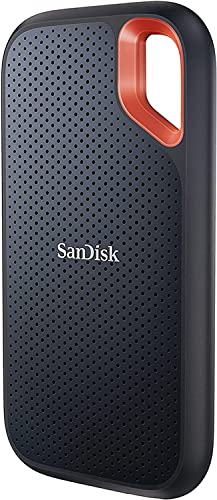
SANDISK 2TB Extreme Portable SSD (Old Model) – Up to 1050MB/s, USB-C, USB 3.2 Gen 2, IP65 Water and Dust Resistance, Updated Firmware – External Solid State Drive – SDSSDE61-2T00-G25
- High-speed NVMe Performance: Up to 1050MB/s read, 1000MB/s write
- Durable and Water-resistant: IP65 rated, 3-meter drop protection
- Portable and Secure: Includes carabiner loop for easy attachment
As an affiliate, we earn on qualifying purchases.
As an affiliate, we earn on qualifying purchases.