When it comes to luxury high end NAS servers, the focus shifts from basic storage to premium performance, reliability, and advanced features. The top models combine robust hardware, expansive storage options, and enterprise-grade capabilities, often at a premium price. The Synology DiskStation DS3622xs+ stands out as the best overall for its balanced power and usability, while the Asustor Lockerstor 10 Gen3 offers exceptional flexibility for high-demand environments. Buyers face tradeoffs between raw performance, expandability, and complexity—knowing which to prioritize depends on your specific needs. Keep reading for a detailed breakdown of each option and what makes them unique.

Get business pricing on tech for your team
- Business-only prices and quantity discounts
- Tax-exempt purchasing
- Multiple users, one account, clear invoices
Key Takeaways
- High-end NAS options are distinguished primarily by their processing power, expandability, and redundancy features.
- Premium models like the Synology RS4021xs+ excel in enterprise environments with massive storage and dual power supplies.
- Budget-conscious buyers should consider diskless models to customize storage, but beware of added setup complexity.
- Performance features such as 10GbE networking and M.2 NVMe slots are common among the top-tier options.
- The choice between rackmount and desktop form factors depends on available space and deployment preferences.
| BUFFALO TeraStation Essentials 2025 4-Bay Desktop NAS 24TB with Hard Drives Included | 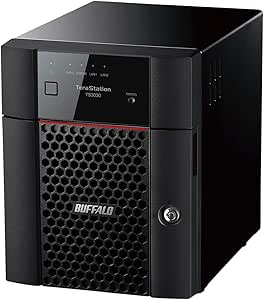 | Best Value for Small Offices | Digital Storage Capacity: 24 TB | Hard Disk Interface: Serial ATA-600 | Connectivity Technology: Ethernet | VIEW ON AMAZON | See Our Full Breakdown |
| Synology DiskStation DS3622xs+ NAS Server with Xeon 2.2GHz CPU, 48GB Memory, 240TB Storage, 2 x 10GbE LAN |  | Best for Performance and Small to Medium Business | Processor: Xeon D-1531 6-Core 2.2GHz | Memory: 48GB DDR4 ECC SODIMM | Storage Capacity: 240TB | VIEW ON AMAZON | See Our Full Breakdown |
| Synology RackStation RS4021xs+ NAS Server with Xeon 2.1GHz CPU, 64GB Memory, 320TB Storage, Dual 10GbE, Redundant Power |  | Best for Enterprise-Grade Reliability and Large-Scale Storage | Processor: Xeon D-1541 8-Core 2.1GHz | Memory: 64GB DDR4 ECC | Storage Capacity: 320TB | VIEW ON AMAZON | See Our Full Breakdown |
| LincStation N2 6-Bay NAS Server with Intel N100, 16GB RAM, 10GbE, 2 SATA Bays, 4 M.2 NVMe Slots, Unraid Starter License Included, Diskless |  | Best for Tech-Savvy Enthusiasts and Power Users | Processor: Intel N100, 4-core | Memory: 16GB LPDDR5 | Storage Bays: 2 SATA, 4 M.2 NVMe | VIEW ON AMAZON | See Our Full Breakdown |
| UGREEN DXP4800 Plus 4-Bay NAS for Families, Creators & Small Teams |  | Best for Family and Creative Storage with High Capacity | Storage Capacity: Up to 144TB | Number of Bays: 4 | Network Ports: 10GbE, USB | VIEW ON AMAZON | See Our Full Breakdown |
| Synology RackStation RS4021xs+ NAS Server with Xeon 2.1GHz CPU, 64GB Memory, 352TB Storage, Dual 10GbE Ports, Redundant Power | | Best Overall for Enterprise-Grade High Capacity and Reliability | Processor: Xeon D-1541 8-Core 2.1GHz (up to 2.7GHz Turbo) | Memory: 64GB DDR4 ECC UDIMM | Storage Capacity: 352TB (16 x 22TB HDDs) | VIEW ON AMAZON | See Our Full Breakdown |
| Asustor Lockerstor 10 Gen3 AS6810T 10-Bay NAS, AMD Ryzen V3C14 Quad-Core, 16GB ECC DDR5 RAM, Dual 10GbE + Dual 5GbE, 4 M.2 NVMe Slots, USB4 40Gbps, Diskless |  | Best for High-Performance Virtualization and Media Workflows | Processor: AMD Ryzen V3C14 Quad-Core | RAM: 16GB ECC DDR5 (expandable to 64GB) | Number of Bays: 10 | VIEW ON AMAZON | See Our Full Breakdown |
| UGREEN NAS DXP6800 Pro 6-Bay File Server for Teams and Small Businesses |  | Best for Small Teams Requiring High Capacity and Security | Processor: 12th Gen Intel Core i5 | Number of Bays: 6 | Maximum Storage Capacity: 208TB | VIEW ON AMAZON | See Our Full Breakdown |
| luxury high end nas server | Processor | Storage Capacity | Memory | Number of Bays |
|---|---|---|---|---|
| BUFFALO TeraStation Essentials | — | — | — | — |
| Synology DiskStation DS3622xs+ | Xeon D-1531 6-Core 2.2GHz | 240TB | 48GB DDR4 ECC SODIMM | — |
| Synology RackStation RS4021xs+ | Xeon D-1541 8-Core 2.1GHz | 320TB | 64GB DDR4 ECC | 16 |
| LincStation N2 6-Bay NAS Serve | Intel N100, 4-core | — | 16GB LPDDR5 | — |
| UGREEN DXP4800 Plus 4-Bay NAS | — | Up to 144TB | — | 4 |
| Synology RackStation RS4021xs+ | Xeon D-1541 8-Core 2.1GHz (up to 2.7GHz Turbo) | 352TB (16 x 22TB HDDs) | 64GB DDR4 ECC UDIMM | — |
| Asustor Lockerstor 10 Gen3 AS6 | AMD Ryzen V3C14 Quad-Core | Supports up to 10 drives | — | 10 |
| UGREEN NAS DXP6800 Pro 6-Bay F | 12th Gen Intel Core i5 | — | — | 6 |
More Details on Our Top Picks
BUFFALO TeraStation Essentials 2025 4-Bay Desktop NAS 24TB with Hard Drives Included
The BUFFALO TeraStation Essentials 2025 stands out for offering a complete package with pre-installed drives, making it an excellent choice for small offices seeking quick setup and reliable data sharing. Compared with the Ugreen DXP4800 Plus, it emphasizes simplicity and affordability but lags in advanced features like virtualization or AI management. Its 2.5GbE port ensures faster transfers than typical 1GbE models, yet it’s limited by the 5400 rpm drives, which could slow down larger data tasks. The inclusion of cloud integrations and encryption provides solid security with minimal setup, but it doesn’t support multimedia streaming or mobile app control, which some users might expect at this price point. Best for small teams needing reliable, out-of-the-box storage with straightforward management.
Pros:- Includes pre-tested hard drives for quick setup
- Supports high-speed data transfer via 2.5GbE port
- Strong security with 256-bit encryption and cloud options
Cons:- Limited to 5400 rpm drives, which may slow large transfers
- Lacks multimedia streaming and mobile app support
Best for: Small offices or remote teams that want an easy-to-deploy, secure NAS with included drives.
Not ideal for: Large enterprises or users needing high-performance multimedia streaming and advanced virtualization features.
- Digital Storage Capacity:24 TB
- Hard Disk Interface:Serial ATA-600
- Connectivity Technology:Ethernet
- Hard drives included:Yes
- Hard Disk Form Factor:3.5 inches
- Data Transfer Rate:2.5 gigabits_per_second
Our verdict“This NAS is perfect for small offices prioritizing ease of use and secure storage without advanced multimedia needs.”
Synology DiskStation DS3622xs+ NAS Server with Xeon 2.2GHz CPU, 48GB Memory, 240TB Storage, 2 x 10GbE LAN
The Synology DS3622xs+ offers a high-performance platform with a Xeon CPU and extensive RAM, making it suitable for demanding workloads like virtualization, large-scale file sharing, and surveillance. Unlike the BUFFALO TeraStation, which targets small offices, this model provides more raw power and scalability, but it comes at a higher cost and requires users to purchase drives and memory separately. Its dual 10GbE ports are ideal for fast local networks, though the initial investment is significant. The extensive storage capacity and enterprise features make it a solid choice for growing businesses that need reliable, high-speed access, but it’s less suited for casual or small-scale use due to complexity and price.
Pros:- High-performance Xeon processor with 48GB RAM
- Supports large storage capacity with 240TB
- Dual 10GbE ports for ultra-fast networking
Cons:- Requires separate purchase of drives and memory upgrades
- Higher initial cost and complexity
Best for: Growing small to medium-sized businesses needing robust performance and large storage capacity.
Not ideal for: Home users or small teams with limited budgets or simpler storage needs.
- Processor:Xeon D-1531 6-Core 2.2GHz
- Memory:48GB DDR4 ECC SODIMM
- Storage Capacity:240TB
- Network:2 x 10GbE LAN ports
- Operating System:DSM
- Form Factor:Tower
Our verdict“This NAS is ideal for businesses needing powerful, scalable storage with enterprise-grade features, but less so for casual or budget-conscious users.”
Synology RackStation RS4021xs+ NAS Server with Xeon 2.1GHz CPU, 64GB Memory, 320TB Storage, Dual 10GbE, Redundant Power
The Synology RS4021xs+ is built for enterprise environments that demand maximum uptime and large-scale storage. Its 16-bay design with 320TB capacity, coupled with dual 10GbE ports and redundant power supplies, offers unmatched reliability. This makes it a superior choice over the DS3622xs+ for those who prioritize redundancy and maximum storage, though it comes with a significant price tag and complexity. The high-capacity drives and advanced features cater to virtualization, data archiving, and critical operations, but the setup can be daunting for users unfamiliar with enterprise hardware. It’s a clear fit for data centers or large offices where uptime and scalability are paramount.
Pros:- Massive 320TB capacity with 16 bays
- Redundant power supply and hot-swappable fans
- Enterprise-grade redundancy and security features
Cons:- Very high cost and complex setup
- Requires technical expertise for optimal deployment
Best for: Enterprises and data center environments needing maximum reliability, redundancy, and storage capacity.
Not ideal for: Small offices or home users due to cost and complexity.
- Processor:Xeon D-1541 8-Core 2.1GHz
- Memory:64GB DDR4 ECC
- Storage Capacity:320TB
- Number of Bays:16
- Network Ports:2 x 10GbE LAN
- Redundant Power:Yes
Our verdict“This NAS is suited for large organizations prioritizing maximum uptime, redundancy, and extensive storage, but is overkill for smaller setups.”
LincStation N2 6-Bay NAS Server with Intel N100, 16GB RAM, 10GbE, 2 SATA Bays, 4 M.2 NVMe Slots, Unraid Starter License Included, Diskless
The LincStation N2 offers a flexible, high-performance platform with a powerful Intel N100 processor and 16GB RAM, making it versatile for demanding tasks like media streaming, virtual machines, and backups. Its combination of 2 SATA bays and 4 M.2 NVMe slots surpasses many competitors like the BUFFALO TeraStation in expandability and speed. The inclusion of an Unraid starter license adds to its appeal for users comfortable with DIY setups, but it’s not ideal for beginners or those seeking an out-of-the-box solution. The device’s diskless design means users must purchase drives separately, which might complicate setup for some.
Pros:- Powerful Intel N100 CPU with 16GB RAM
- Supports multiple high-speed connectivity options including 10GbE
- Versatile storage with SATA and M.2 NVMe slots
Cons:- Diskless setup requires separate drive purchases
- Complex setup may be challenging for non-technical users
Best for: Tech-savvy users who want a customizable, high-performance NAS for virtualization and media projects.
Not ideal for: Beginners or users seeking a simple, out-of-the-box storage solution without additional drive purchases.
- Processor:Intel N100, 4-core
- Memory:16GB LPDDR5
- Storage Bays:2 SATA, 4 M.2 NVMe
- Network:10GbE Ethernet
- Included Software:Unraid OS Starter License
- Warranty:2 years
Our verdict“This NAS suits experienced users who want maximum flexibility and performance for demanding applications, but isn’t ideal for beginners.”
UGREEN DXP4800 Plus 4-Bay NAS for Families, Creators & Small Teams
The UGREEN DXP4800 Plus is designed for users who need large-scale, secure storage with advanced features like AI photo organization and virtual machine support. Its 144TB maximum capacity far exceeds typical small office needs, making it suitable for creators or families managing extensive media libraries. Compared to the BUFFALO TeraStation, it offers a broader feature set, but its performance can vary depending on network setup and drive choice. The device’s multiple connectivity options, including 10GbE and USB, provide flexibility, yet it does not include drives, adding to overall cost. It’s a compelling choice for those who want a high-capacity, feature-rich NAS for media and backup but require some technical know-how for setup.
Pros:- Massive storage capacity up to 144TB
- Fast data transfer with 10GbE and USB ports
- Supports advanced features like AI photo organization and VMs
Cons:- Drives are not included, increasing initial cost
- Performance depends on network and drive setup
Best for: Families, content creators, and small teams needing high-capacity, multimedia-focused storage solutions.
Not ideal for: Casual users or those seeking plug-and-play, budget-friendly storage options without additional drive investment.
- Storage Capacity:Up to 144TB
- Number of Bays:4
- Network Ports:10GbE, USB
- Compatibility:Windows, macOS, Linux, iOS, Android
- Hard Drive Compatibility:Third-party drives
- Warranty:2 years
Our verdict“This NAS is ideal for media-heavy environments that require large storage pools and advanced features, but requires technical setup and additional investment in drives.”
Synology RackStation RS4021xs+ NAS Server with Xeon 2.1GHz CPU, 64GB Memory, 352TB Storage, Dual 10GbE Ports, Redundant Power
This rackmount NAS stands out for its exceptional combination of high-capacity storage and enterprise-level features, making it the top choice for organizations needing robust data security and performance. Compared to the Synology RS4021xs+, this model offers slightly more RAM and a larger total storage capacity, but at the cost of increased complexity and price. Its Xeon processor and 64GB ECC memory ensure smooth virtualization and mission-critical workloads, while dual 10GbE ports guarantee fast network throughput. The redundant power supplies and hot-swappable components maximize uptime, but users should note that drives and memory are sold separately, and setup can be daunting for those outside enterprise environments. This NAS makes the most sense for large-scale businesses and data centers prioritizing reliability and scalability over simplicity.
Pros:- Massive 352TB total storage capacity with 16 bays
- Robust performance from Xeon D-1541 processor and 64GB ECC RAM
- Dual 10GbE ports for high-speed network connectivity
- Redundant power supplies and hot-swappable fans for maximum uptime
Cons:- Drives and memory sold separately, adding to total cost
- Installation and configuration are complex, requiring technical expertise
Best for: Large enterprises or data centers needing maximum storage, uptime, and security.
Not ideal for: Small businesses or home users seeking an easy-to-setup, all-in-one NAS solution.
- Processor:Xeon D-1541 8-Core 2.1GHz (up to 2.7GHz Turbo)
- Memory:64GB DDR4 ECC UDIMM
- Storage Capacity:352TB (16 x 22TB HDDs)
- Network:2 x 10GbE LAN Ports
- Power:Redundant Power Supplies
- Form Factor:Rackmount
- Included Storage:HDDs not installed, installation required
Our verdict“This NAS is ideal for large organizations that require scalable, reliable storage with enterprise-grade features.”
Asustor Lockerstor 10 Gen3 AS6810T 10-Bay NAS, AMD Ryzen V3C14 Quad-Core, 16GB ECC DDR5 RAM, Dual 10GbE + Dual 5GbE, 4 M.2 NVMe Slots, USB4 40Gbps, Diskless
The Asustor Lockerstor 10 Gen3 excels for demanding users needing fast data access and versatile storage options, especially those involved in media editing, AI, or virtualization. Unlike the Synology RS4021xs+, which is more focused on enterprise security and large-scale storage, this model emphasizes high-speed connectivity and flexibility, thanks to dual 10GbE and 5GbE ports and four M.2 NVMe slots for caching. Its AMD Ryzen V3C14 processor and expandable RAM support intensive workloads, but it’s sold as a diskless unit, meaning additional investment is needed for storage drives. Setup may pose challenges for beginners unfamiliar with enterprise features, and the high price reflects its premium performance capabilities. This NAS makes the most sense for small to medium businesses or power users seeking speed and expandability in a compact form.
Pros:- Dual 10GbE and dual 5GbE ports for high-bandwidth networking
- Supports four NVMe SSDs for caching and performance boost
- Expandable RAM up to 64GB for demanding applications
- Powerful AMD Ryzen V3C14 processor optimized for virtualization
Cons:- No included drives, requiring additional purchase
- Complex setup can challenge less experienced users
- High cost for enterprise-level features
Best for: Tech-savvy professionals and small-to-medium businesses needing high-speed access and flexible storage.
Not ideal for: Users seeking an all-in-one, plug-and-play NAS with included drives or simple setup.
- Processor:AMD Ryzen V3C14 Quad-Core
- RAM:16GB ECC DDR5 (expandable to 64GB)
- Number of Bays:10
- Network Ports:Dual 10GbE + Dual 5GbE
- M.2 Slots:4 NVMe PCIe 4.0 SSD slots
- Storage Capacity:Supports up to 10 drives
Our verdict“This NAS suits advanced users and SMBs looking for speed, expandability, and high-performance workloads.”
UGREEN NAS DXP6800 Pro 6-Bay File Server for Teams and Small Businesses
The UGREEN NAS DXP6800 Pro is designed to deliver large-scale storage for small business environments, combining high capacity with enterprise features like dual 10GbE ports and multiple RAID options. Compared with larger high-end models like the Synology RS4021xs+, it offers a more accessible form factor and simpler setup, though it still provides up to 208TB of total storage, suitable for extensive file sharing and media storage. Its 12th Gen Intel Core i5 processor and encryption support ensure solid performance and data security, but drives are sold separately, which can add up quickly. Lack of Wi-Fi and a more complex setup might challenge less technical users. Overall, this NAS hits a sweet spot for small teams needing reliable, scalable storage without enterprise complexity.
Pros:- High storage capacity up to 208TB with 6 bays
- Dual 10GbE ports for fast, aggregated network bandwidth
- Supports multiple RAID configurations for redundancy
- Strong security features including encryption and multi-factor authentication
Cons:- Storage drives are sold separately, increasing total cost
- Limited to wired Ethernet, no Wi-Fi support
- Setup may require some technical knowledge
Best for: Small businesses or teams needing large storage with security features and fast network access.
Not ideal for: Home users or those seeking a plug-and-play experience with included drives.
- Processor:12th Gen Intel Core i5
- Number of Bays:6
- Maximum Storage Capacity:208TB
- Network Ports:2 x 10GbE
- RAID Support:JBOD, Basic, RAID0, RAID1, RAID5, RAID6, RAID10
- Compatibility:Western Digital, Seagate, Toshiba, third-party drives
Our verdict“This NAS offers a balanced mix of high capacity, security, and performance, ideal for small teams with demanding storage needs.”

How We Picked
The products in this roundup were evaluated based on a combination of hardware performance, build quality, expandability, and enterprise features. Priority was given to models with powerful CPUs, ample RAM, and flexible storage options, including support for NVMe and multiple drive bays. We also considered usability factors such as management interfaces and redundancy features. Each product was ranked to reflect its suitability for demanding users like creative professionals, small businesses, and enterprise environments, with a focus on value for the premium price. The top picks balance these elements while acknowledging tradeoffs like complexity and cost.Factors to Consider When Choosing Luxury High End Nas Servers
Choosing a luxury high end NAS server involves more than just looking at specs. It’s important to consider your specific needs, future growth, and technical comfort level. The right model should align with your storage demands, network infrastructure, and redundancy requirements, while also fitting your budget and deployment environment. Here are key factors to keep in mind to make an informed decision.Performance and Processing Power
High-end NAS servers often come equipped with Xeon or AMD Ryzen processors, which are essential for handling intensive workloads like video editing, virtualization, or large-scale data management. A faster CPU ensures smoother multitasking and quicker data access, but it also raises costs. For most demanding tasks, investing in a model with a multi-core, enterprise-grade processor makes sense; however, if your use is more casual or small-scale, a less powerful CPU might be sufficient, saving you money without sacrificing critical features.
Expandability and Storage Capacity
Look for models with multiple drive bays, support for M.2 NVMe SSDs, and high-capacity expansion options. Larger storage capacity is a hallmark of luxury NAS servers, especially for creative professionals or data-intensive businesses. Redundant drive configurations, like RAID support, are vital for data protection. Keep in mind that more bays and expansion slots often mean higher upfront costs and increased complexity, so consider your long-term storage needs carefully to avoid overpaying for features you won’t use immediately.
Networking and Connectivity
Premium NAS devices frequently feature 10GbE or higher network interfaces to support fast data transfers, which are essential for collaborative work or large backups. Dual network ports with link aggregation provide redundancy and increased bandwidth—valuable for critical workflows. Cheaper models may only have Gigabit Ethernet, which can bottleneck performance in high-demand environments. Ensure your existing network infrastructure can support high-speed connections to maximize the investment you make in a luxury NAS server.
Build Quality and Reliability
Luxury models are built with high-quality materials and often include features like redundant power supplies, enterprise-grade cooling, and robust chassis design. These elements contribute to reliability and uptime, especially for business-critical applications. However, this often comes with increased maintenance complexity and higher costs. For small teams or home use, a simpler, less expensive model with decent build quality might suffice, but for 24/7 operation, investing in a top-tier, durable chassis is advisable.
Ease of Management and Usability
Enterprise-grade NAS servers come with sophisticated management interfaces that offer extensive control and customization but can be intimidating for less experienced users. Look for models with user-friendly dashboards, clear documentation, and good support. If you prefer a more straightforward setup and routine management, consider options with simplified interfaces or cloud-based management tools. Remember, the most powerful hardware is less valuable if managing it becomes a frustrating experience.
Frequently Asked Questions
Is a higher number of drive bays always better for my NAS?
Not necessarily. While more drive bays increase storage capacity and potential for data redundancy, they also add to the cost, size, and complexity of the system. If your current needs are modest but you anticipate future growth, choosing a model with extra bays can be a wise investment. Conversely, if space or budget is limited, a smaller, high-quality NAS might be more practical, especially if you plan to expand storage externally via networked solutions later.
Do I need enterprise-grade processors for my home or small business NAS?
For most home or small business users, high-end processors like Xeon or Ryzen V-series may be overkill, especially if the primary tasks involve file sharing, backups, or media streaming. These processors excel in multitasking and heavy workloads, which are more common in enterprise environments. For lighter use, a NAS with a mid-range processor can deliver excellent performance without the added expense and complexity, but if you plan to run virtual machines or intensive applications, investing in higher processing power can pay off.
How important is redundancy in a luxury NAS server?
Redundancy features such as dual power supplies, RAID configurations, and hot-swappable drives are critical for minimizing downtime in a high-end environment. They protect against hardware failures that could result in data loss or service interruption. If your data is mission-critical or your operation depends on continuous access, prioritizing redundancy makes sense, even if it increases initial costs and maintenance complexity. For less critical uses, a simpler setup might suffice, but always weigh the cost of downtime against the investment in redundancy.
Should I prioritize rackmount or desktop form factors in a luxury NAS?
Rackmount models are ideal for enterprise environments, data centers, or situations where space efficiency and scalability are priorities. They typically support more drives and advanced cooling systems. Desktop models, on the other hand, are more suitable for small offices or home setups, offering easier installation and maintenance. Your choice depends on your space constraints, deployment environment, and future expansion plans—rackmounts excel in scalability, while desktops offer simplicity and flexibility.
What’s the main tradeoff when choosing a high-end NAS with extensive features?
High-end NAS servers with extensive features often come with higher costs, increased complexity, and larger physical sizes. They may also demand more technical knowledge for setup and management. While these models provide unmatched performance, scalability, and reliability, they may be overkill for casual users or small-scale needs. Balancing your current requirements with future growth expectations ensures you don’t pay for features you won’t utilize immediately, making smarter investments in your storage infrastructure.
Conclusion
For demanding professionals and enterprise users, the Synology RS4021xs+ offers unparalleled storage capacity and redundancy—ideal for large-scale operations. Small teams or creative professionals seeking a balance of performance and flexibility will find the Asustor Lockerstor 10 Gen3 to be an excellent premium choice. Budget-conscious buyers or those new to high-end NAS should consider the UGREEN DXP6800 Pro for its simplicity and value. Those requiring rugged, scalable solutions will benefit from rackmount options like the Synology RackStation RS4021xs+. Ultimately, your decision should align with your storage needs, technical comfort, and future growth plans.Fall Picks
fall essentials
As an affiliate, we earn on qualifying purchases.