If I had to choose one starting point among these AI tools for sports analytics, I would put Sports Analytics: A Guide for Coaches, Managers, and Other Decision Makers first because it connects analytics to real sports decisions instead of staying stuck in theory. Sports Analytics in Python stands out for readers who want hands-on modeling, while Football Analytics with Python & R is the better pick for analysts who want code practice through a familiar sport. The main tradeoff is whether you need decision support, technical skill-building, business analytics, or predictive betting methods. Some picks are stronger for learning concepts, while others are better for building models or applying data inside coaching and management workflows. Keep reading for the full breakdown of which option fits each buyer type.

Get business pricing on tech for your team
- Business-only prices and quantity discounts
- Tax-exempt purchasing
- Multiple users, one account, clear invoices
Key Takeaways
- The best overall pick is Sports Analytics: A Guide for Coaches, Managers, and Other Decision Makers because it balances analytics with practical decisions better than the more technical or business-only options.
- The strongest technical path is split between Sports Analytics in Python and Football Analytics with Python & R; the former is broader, while the latter is better for football-specific learners.
- Beginners should start with Sports Analytics for Beginners before moving into Python, R, predictive modeling, or betting-focused material.
- The business-focused books are useful for executives and sport management students, but they are less direct for coaches who need match, roster, or player-performance decisions.
- The betting and predictive-modeling picks offer sharper quantitative methods, but they also demand more statistical discipline and clearer risk controls than general sports analytics guides.




More Details on Our Top Picks
Soccer Analytics with Machine Learning: Learning Predictive Modeling Techniques with Sports Data
I would position Soccer Analytics with Machine Learning as the specialist pick for readers who already know why xG, player valuation, or match forecasting matters and want a more model-focused path. Compared with Sports Analytics for Beginners, it looks less welcoming but more pointed: the value is in connecting machine learning methods to soccer-specific questions, not in teaching the whole sports analytics vocabulary from zero. It also differs from Football Analytics with Python & R, which is the better coding workbook for broader football data practice. The tradeoff is clarity of scope versus accessibility. I would choose this for soccer analysts building predictive models, while readers who need exercises, software handholding, or a full table of contents may find the listing too thin to buy with confidence.
Pros:- Focused on machine learning applications in soccer analytics
- Useful for predictive modeling and sports data decision support
- Strong fit for data scientists with a soccer interest
- More specialized than general sports analytics introductions
Cons:- No detailed content overview or chapter breakdown is supplied
- May be too technical for readers without machine learning background
- Narrow soccer focus limits usefulness for multi-sport buyers
Best for: I would buy this for soccer analysts, data science students, or club staff who want to connect machine learning methods to soccer prediction tasks.
Not ideal for: I would skip it for readers who are new to both machine learning and sports analytics, since the product data suggests prior knowledge may be needed.
- ASIN:B0H5FWTRG8
- Format:Book
- Primary sport:Soccer
- Analytics focus:Predictive modeling
- AI coverage:Machine learning techniques
- Primary use:Sports data analysis for soccer decision-making
- Reader level:Better for readers with some machine learning or sports analytics background
- Content detail:Detailed specifications and content overview not provided
Bottom line: I would choose this as the soccer-specific machine learning pick, not as a first sports analytics book.
Sports Analytics for Beginners: A Simple Guide to Understanding Data, Metrics, and AI in Sports
I rank Sports Analytics for Beginners as the entry point because it answers the question many buyers have before choosing heavier AI books: what do the metrics mean, and how does AI fit into sport decisions? Compared with Soccer Analytics with Machine Learning, this is broader and easier to approach, but it gives up the depth needed to build predictive models. Next to Football Analytics with Python & R, it is less useful for hands-on coding and more useful for building shared language across coaches, students, and analysts. The weak spot is application: the product data points to clear explanations, not labs or exercises. I would use it as a foundation, then move to a sport-specific or programming-heavy book once the basics feel settled.
Pros:- Clear entry point for readers new to sports analytics
- Connects data, metrics, and AI concepts in one beginner-focused guide
- Broad enough for readers across different sports
- Useful for building shared vocabulary before moving to technical books
Cons:- Limited technical depth for serious model builders
- No practical examples or exercises are listed
- May feel too broad for readers focused on one sport
Best for: I would buy this for coaches, students, parents, or early-career analysts who need plain-language grounding in sports data, metrics, and AI.
Not ideal for: I would skip it for programmers or analysts who already understand sports metrics and want code, models, or advanced methods.
- ASIN:B0GXP3YLMP
- Format:Book
- Primary focus:Sports analytics fundamentals
- AI coverage:Introductory AI concepts in sports
- Metrics coverage:Data and metrics explained for beginners
- Target reader:Newcomers to sports data and AI
- Hands-on material:Practical examples or exercises not listed
- Technical depth:Introductory rather than technical
Bottom line: I would make this the starting pick for nontechnical buyers who need the language of AI sports analytics before the math or code.
Sport Business Analytics (Data Analytics Applications)
Sport Business Analytics earns the business-case slot because it appears built for people making commercial or operational sport decisions, not just analysts modeling games. Compared with Sport Analytics: A Data-Driven Approach to Sport Business and Management, it has the clearer advantage of real-world case studies, which can help a buyer connect analytics to sponsorship, fan engagement, staffing, or performance investment choices. Against Football Analytics with Python & R, though, it is less of a technical training tool; I would not treat it as the strongest route for learning code or building AI pipelines. The limitation is depth. The listing emphasizes practical insight, while also admitting limited technical explanation and sparse publication detail. I would place it highest for sports business readers who need examples before algorithms.
Pros:- Uses real-world case studies to connect analytics with sport business choices
- Good fit for commercial, operational, and management readers
- More applied to business settings than programming-first books
- Helpful bridge between analytics concepts and industry decisions
Cons:- Limited technical explanation for readers who want methods in detail
- Publication and edition details are not supplied in the product data
- Less suitable for hands-on AI model development
Best for: I would buy this for sports business managers, MBA students, and front-office staff who want analytics examples tied to business decisions.
Not ideal for: I would skip it for data scientists who need mathematical detail, coding instruction, or a model-building workbook.
- ASIN:1032339810
- Format:Book
- Series:Data Analytics Applications
- Primary focus:Sports business analytics
- Use case:Decision-making and performance improvement in the sports industry
- Evidence format:Real-world case studies
- Technical depth:Limited technical explanations in supplied product data
- Target reader:Sports business professionals
Bottom line: I would pick this for sports business readers who learn best from cases rather than code.
Sport Analytics: A Data-Driven Approach to Sport Business and Management
I see Sport Analytics: A Data-Driven Approach to Sport Business and Management as the management-framework pick: it sits between beginner education and business-case reading. Compared with Sport Business Analytics, it seems broader for data-driven sports management, but the product data gives less confidence around detailed case studies. Compared with Sports Analytics for Beginners, it is more career-facing for sport administrators and students who already know they care about management decisions, not just metrics vocabulary. The tradeoff is that it may help a reader think like a data-informed manager without giving them software, templates, or a hands-on AI workflow. I would choose it for curriculum or executive learning, but not as the main pick for analysts who need code, model building, or concrete tooling.
Pros:- Frames analytics around sports business and management decisions
- Useful for students and professionals in sport administration
- Broader management lens than sport-specific modeling books
- Can support curriculum, workshops, or executive learning
Cons:- Detailed case studies are not listed in the product data
- No practical tools or software are included
- Less useful for analysts who need coding or predictive modeling instruction
Best for: I would buy this for sport management students, athletic department staff, and administrators who want a business-and-management analytics lens.
Not ideal for: I would skip it for buyers who want ready-made tools, software workflows, or detailed case study coverage.
- ASIN:B0GFK8N941
- Format:Book
- Primary focus:Sports business and management analytics
- Decision area:Data-driven decision making in the sports industry
- Target reader:Sports business professionals and students
- Case studies:Detailed case studies not listed
- Tools included:No practical tools or software included
- Technical orientation:Conceptual management resource
Bottom line: I would choose this for management-focused learning, not for building AI models from raw sports data.
Football Analytics with Python & R: Learning Data Science Through the Lens of Sports
Football Analytics with Python & R is my hands-on coding pick because it links sports questions to two languages buyers actually see in analytics roles. Compared with Sports Analytics for Beginners, it asks more from the reader but offers a clearer path from learning concepts to analyzing data. Compared with Soccer Analytics with Machine Learning, it looks broader as a data science learning tool, while the soccer book is narrower and more model-specific. The drawback is friction: Python and R coverage can feel heavy for coaches or business readers who only want decision support, and the listing does not provide a detailed chapter map or customer feedback. I would rank it above the others for buyers who want transferable technical practice, not just analytics literacy.
Pros:- Uses Python and R, two common languages for sports data work
- Turns football analytics into a data science learning path
- Suitable for both beginners and more advanced learners in the supplied data
- More hands-on than business or beginner-only sports analytics books
Cons:- May be too technical for readers who do not want programming
- Detailed specifications and chapter coverage are not supplied
- No customer reviews are available in the provided data
Best for: I would buy this for analysts, students, and technically curious sports staff who want to learn data science through football examples in Python and R.
Not ideal for: I would skip it for nontechnical coaches or executives who want strategy guidance without programming work.
- ASIN:1492099627
- Format:Book
- Primary sport:Football
- Programming languages:Python and R
- Primary focus:Data science through sports analytics
- Use case:Sports data analysis for enthusiasts and professionals
- Reader range:Suitable for beginners and advanced learners
- Technical level:May be technical for some readers
- Customer feedback:No customer reviews available in supplied data
Bottom line: I would make this the coding pick for buyers who want skills they can carry into real sports analytics projects.
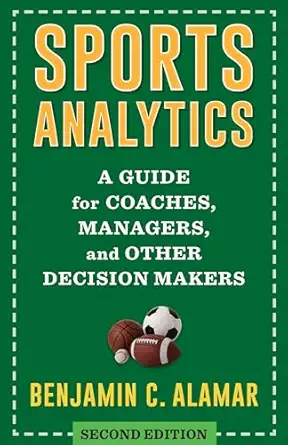
Sports Analytics: A Guide for Coaches, Managers, and Other Decision Makers
I rank Sports Analytics: A Guide for Coaches, Managers, and Other Decision Makers as the stronger pick for readers who want management-level analytics thinking rather than coding drills or betting models. Compared with Football Analytics for Coaches, it appears broader and better suited to team leaders who need to connect metrics to roster, strategy, and operational choices. It also differs from AI-Powered Business Analytics by staying closer to sport-specific decision problems instead of treating sports as one possible business case. The tradeoff is that it sounds more like a conceptual guide than a hands-on AI toolkit, so buyers looking for Python models, dashboards, or machine-learning workflows may outgrow it quickly. This makes the most sense as a decision framework book, not a technical build manual.
Pros:- Strong fit for team-level decision makers
- Sports-specific framing makes analytics easier to apply to coaching and management choices
- Broader than single-sport coaching books
- Useful bridge between metrics and organizational strategy
Cons:- Likely less practical for readers who want hands-on AI tools
- No edition, format, or depth details are provided
- May feel too general for advanced sports data practitioners
Best for: Coaches, athletic directors, and team managers who want to use analytics to structure decisions without starting with code.
Not ideal for: Data scientists or analysts who need model-building exercises, software workflows, or detailed AI implementation steps.
- Product type:Book
- ASIN:0231162928
- Primary focus:Sports analytics for decision-making
- Target reader:Coaches, managers, and sports decision makers
- Sport coverage:General sports
- AI focus:Indirect; analytics strategy rather than AI tool training
- Practical angle:Team performance and decision processes
- Technical depth:Not specified in the provided data
Bottom line: Choose this if you need a management lens for sports analytics more than a technical AI workbook.
Sports Analytics: A Guide for Coaches, Managers, and Other Decision Makers
I place this Sports Analytics entry as the best core text for buyers who want a cleaner, current-sounding overview of data-driven sports decisions. It overlaps heavily with the 0231162928 edition, but the supplied description gives this one a clearer emphasis on key concepts, strategies, and practical applications. Against Sports Analytics for Beginners, it is likely a better fit for professional or semi-professional readers who already know why metrics matter and now need a more decision-oriented structure. Against Sports Analytics in Python, though, it will probably feel light on implementation. The main limitation is the lack of detailed specs, examples, and tool references, which makes it harder to judge how far it goes into AI-assisted workflows. I would treat it as a strong base layer before choosing a more technical book.
Pros:- Clear fit as a foundational sports analytics resource
- Practical framing for coaches and managers
- More decision-oriented than general business analytics books
- Broad enough for readers outside a single sport
Cons:- Limited product detail makes depth hard to judge
- May duplicate the value of the 0231162928 listing
- Not positioned as a hands-on AI or machine-learning manual
Best for: Sports managers, assistant coaches, and operations staff who want a structured overview before investing in coding or modeling resources.
Not ideal for: Buyers who already know analytics basics and want sport-specific machine learning exercises or code-first instruction.
- Product type:Book
- ASIN:0231222599
- Primary focus:Data-driven sports decisions
- Target reader:Coaches, managers, and decision makers
- Sport coverage:General sports
- Content focus:Key concepts, strategies, and practical applications
- AI focus:Indirect; no specific AI tools listed
- Technical depth:Not specified in the provided data
Bottom line: Pick this as a core sports analytics primer if your next step is smarter decision-making, not immediate model building.
AI-Powered Business Analytics: Transform Data into Decisions with Artificial Intelligence, Machine Learning, ChatGPT, Predictive Analytics, and Real-World Business Case Studies
AI-Powered Business Analytics earns its spot because it is the most explicit AI resource in this batch, with coverage of machine learning, ChatGPT, predictive analytics, and case studies. For a sports analytics buyer, I see it as a transfer pick: useful when the goal is to borrow AI decision methods from business and apply them to ticketing, sponsorship, fan behavior, or performance operations. Compared with Sport Business Analytics, it appears more centered on modern AI methods; compared with Football Analytics with Python & R, it is less tied to sports data practice. The drawback is focus. It is not built around teams, matches, scouting, or betting, so coaches may need to translate the ideas themselves. It also may feel too technical for beginners while still lacking step-by-step project instruction.
Pros:- Most explicit AI and machine-learning coverage in this batch
- Includes predictive analytics and ChatGPT as decision-support topics
- Useful for applying business AI methods to sports operations
- Case-study angle helps connect methods to real decisions
Cons:- Not sports-specific, so readers must translate examples into athletic settings
- May be too technical for true beginners
- Lacks detailed step-by-step tutorials based on the provided data
Best for: Sports business analysts, operations teams, and strategy leads who want AI concepts they can adapt to sports revenue, planning, and forecasting problems.
Not ideal for: Coaches or performance analysts who need sport-specific metrics, player evaluation models, or play-by-play data examples.
- Product type:Book
- ASIN:B0GX5GNS1P
- Primary focus:AI-powered business analytics
- AI topics:Artificial intelligence, machine learning, ChatGPT
- Analytics topics:Predictive analytics and data-driven decisions
- Use-case style:Real-world business case studies
- Sports specificity:General business focus, adaptable to sports
- Technical depth:Potentially technical for beginners
Bottom line: Buy this when your sports analytics work leans toward AI-driven business decisions rather than coaching tactics.
Data-Driven Sports Betting Science: Advanced Methods in Sports Analytics, Risk Management, and Predictive Modeling
Data-Driven Sports Betting Science is the most specialized option here, aimed at readers who care about predictive modeling, betting strategy, and risk management. That gives it a sharper role than the two Sports Analytics guide listings, which are broader and more manager-friendly. It also differs from Soccer Analytics with Machine Learning because the buying lens is wagering and risk rather than team performance or match prediction as a learning exercise. I would rank it below the broader decision-making titles for most sports organizations, but higher for bettors and analysts studying market behavior. The catch is practicality: the supplied data does not confirm worked examples, datasets, or tools, so the “advanced methods” promise may require readers to bring their own modeling background.
Pros:- Clear focus on sports betting analytics
- Covers risk management alongside prediction
- More specialized than general sports analytics guides
- Relevant for readers studying model-based wagering decisions
Cons:- Less useful for coaching, scouting, or team operations
- No specific tools, datasets, or examples are confirmed
- Advanced framing may be hard for readers without modeling basics
Best for: Quant-minded bettors, fantasy analysts, and sports data hobbyists who want analytics framed around wagering risk and prediction.
Not ideal for: Coaches, team staff, or beginners who need accessible sports metrics rather than betting-market theory.
- Product type:Book
- ASIN:B0FPCBPNL8
- Primary focus:Sports betting analytics
- Method focus:Advanced methods and predictive modeling
- Risk coverage:Risk management for betting decisions
- Target reader:Sports bettors, enthusiasts, and professionals
- Sport coverage:General sports betting
- Tool coverage:No specific tools listed in the provided data
Bottom line: Choose this only if your sports analytics goal is betting prediction and risk control rather than team decision support.
Football Analytics for Coaches: Simple Data Tools to Make Smarter Game Decisions
I see Football Analytics for Coaches as the most direct sideline-to-meeting-room pick in this group. Its value is not broad AI theory; it is simple data tools for football decisions, which makes it more immediately usable for coaches than AI-Powered Business Analytics or the general Sports Analytics guides. Compared with Football Analytics with Python & R, this title appears less technical and more focused on game choices, so it should suit staff who want better calls without becoming programmers. The tradeoff is scope. Because it is football-specific and light on advanced technical detail, it may not satisfy analysts building machine-learning models or teams working across multiple sports. Basic data literacy still seems needed, but the promised simplicity gives it a clear role for coaching staffs.
Pros:- Tightly focused on football coaching decisions
- Practical tool orientation suits non-programmer coaches
- More immediately applied than general analytics theory books
- Clear fit for game planning and performance review
Cons:- Limited value outside football
- May not go deep enough for technical analysts
- Requires at least basic comfort with data
Best for: Football coaches and assistants who want practical data habits for game planning, in-game choices, and performance review.
Not ideal for: Multi-sport analysts or programmers who need reusable code, advanced models, or deeper AI workflows.
- Product type:Book
- ASIN:B0GCV4FVDN
- Primary focus:Football analytics for coaching
- Target reader:Football coaches and coaching staff
- Tool focus:Simple data tools
- Decision focus:Smarter game decisions
- Sport coverage:Football only
- Technical depth:Introductory to practical; no detailed technical analytics listed
Bottom line: Pick this if you coach football and want analytics that points toward better game decisions without a code-first path.
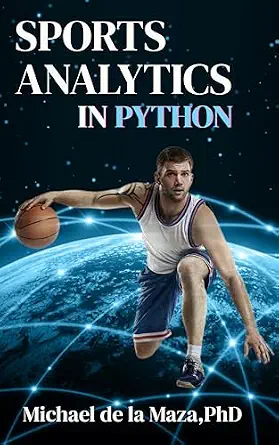
Sports Analytics in Python
I would rank Sports Analytics in Python as the best starting point for readers who want a Python-first path into sports analytics rather than a broad business view. Compared with Sports Analytics for Beginners, this pick is more useful once a reader wants to work with code, charts, and predictive models instead of only learning the vocabulary of metrics. It is also broader by sport than Football Analytics with Python & R, which makes it easier to apply across different datasets. The tradeoff is depth: buyers looking for richer end-to-end projects or more complex modeling will hit its ceiling faster. I see it as a practical bridge between beginner theory and sport-specific machine learning work.
Pros:- Clear Python focus makes the analytics workflow more actionable than theory-only sports analytics books
- Covers analysis, visualization, and predictive modeling in one approachable path
- Useful for beginners and intermediate readers who want sport-specific coding practice
- Broader sport analytics angle than football-only alternatives
Cons:- Lacks detailed project examples, which may leave readers wanting fuller case studies
- Limited depth for advanced modeling, betting models, or production-grade analytics systems
- Less suitable for non-coders than beginner guides focused on concepts and decision-making
Best for: Sports fans, students, and analysts who know basic Python or want to learn sports data analysis through Python examples.
Not ideal for: Experienced data scientists who need advanced modeling workflows, full project builds, or highly specialized team performance systems.
- Format:Book
- Primary Tool:Python
- Topic:Sports analytics
- Core Coverage:Data analysis, visualization, and predictive modeling
- Skill Level:Beginner to intermediate
- Best Use Case:Learning how to apply Python to sports-related datasets
- Project Depth:Introductory examples rather than detailed full projects
- Advanced Analytics Focus:Limited
Bottom line: Choose this if you want a code-based entry into sports analytics, not a full professional modeling playbook.
How We Picked
I ranked these options by how well they help a buyer make better sports analytics decisions, not by how many buzzwords appear in the title. The strongest picks connect data, AI, and real sports use cases: coaching choices, player evaluation, forecasting, business planning, and risk management. I gave more weight to resources that translate analytics into action, then weighed technical depth, accessibility, sport specificity, and buyer fit.
The order favors tools and books that reduce the gap between learning and application. A broad coaching and management guide ranks above narrower business texts because most readers searching for AI tools for sports analytics need help choosing models, metrics, and workflows they can use. Technical books earn higher placement when they teach practical modeling through Python, R, or sports data, while beginner books rank well when they lower the learning curve without pretending analytics is automatic.
Factors to Consider When Choosing AI Tools For Sports Analytics
Choosing among AI tools for sports analytics is less about picking the most advanced option and more about matching the resource to the decision you need to improve. I would start by naming the job: learning the field, building models, coaching smarter, managing a sports business, or pricing risk in betting markets.
Match The Tool To The Decision
The first split is between learning resources and decision resources. A beginner guide can explain metrics clearly, but it may not help much when a coach needs to adjust tactics or a manager needs to compare player value. A Python-focused book can teach modeling, yet it may leave nontechnical readers with too much setup work before they reach a useful answer. Business analytics books are better for revenue, fan engagement, and organizational strategy than for match analysis. I would choose based on the decision that creates the most value, then pick the option that supports that decision directly.
Decide How Technical You Want To Get
Technical depth is a real fork in this category. Sports Analytics in Python and Football Analytics with Python & R make more sense for readers willing to write code, clean data, and compare model outputs. Readers who mainly need better conversations with analysts may be better served by Sports Analytics for Beginners or a coach-focused guide. The common mistake is buying the most advanced resource and then never using it because the workflow is too heavy. A practical rule: if you do not plan to touch datasets, code-first options may be overkill.
Separate Coaching Analytics From Business Analytics
Sports analytics can mean very different things depending on the buyer. Coaches often care about lineup choices, player tendencies, training load, and game decisions. Executives and sport business students may care more about ticketing, sponsorship, media, fan behavior, and revenue forecasting. That is why Sport Business Analytics and Sport Analytics: A Data-Driven Approach to Sport Business and Management should not be judged against coaching guides on the same terms. They can be strong picks, but only when the buyer’s main question is commercial or managerial rather than tactical.
Know When Predictive Modeling Is Worth The Extra Work
Predictive modeling is appealing, but it asks more from the buyer than a general analytics guide. Books such as Soccer Analytics with Machine Learning and Data-Driven Sports Betting Science are better for readers who already care about probability, model validation, and error. The payoff is stronger forecasting discipline, especially when comparing teams, players, or betting prices. The drawback is that weak data hygiene can make a polished model misleading. I would only pay for advanced predictive material if I also had the time to learn validation, backtesting, and risk limits.
Pick Sport-Specific Depth Only When It Matches Your Work
A sport-specific resource can make analytics easier to apply because the examples feel closer to real decisions. Football Analytics for Coaches is likely more useful for a coach than a broad business analytics book because it narrows the focus to game decisions. The same logic applies to soccer-focused machine learning if soccer is the main use case. The tradeoff is portability: narrow books may teach fewer transferable patterns across sports. If your work spans multiple teams or leagues, a broader analytics guide may age better.
Frequently Asked Questions
Should I choose a coding-based sports analytics book or a nontechnical guide first?
I would choose based on what you need to do next. If your goal is to build models, test predictions, or work directly with datasets, a coding-based option such as Sports Analytics in Python is the better fit. If your goal is to make better coaching, management, or strategy decisions, a nontechnical guide may create value faster. The trap is assuming code automatically leads to better decisions. Good analytics starts with a clear question, then the tool follows.
Which option makes the most sense for a coach with limited analytics background?
For a coach, I would start with Sports Analytics: A Guide for Coaches, Managers, and Other Decision Makers if the goal is practical decision support. It should be easier to connect to team choices than a business analytics or betting-focused book. Football Analytics for Coaches is the more targeted pick if football is the sport and the buyer wants simple tools for game decisions. A beginner guide can still help, but a coach-focused resource is more likely to turn metrics into usable habits.
Are the business analytics books useful for on-field performance analysis?
They can help, but I would not treat them as the first choice for on-field work. Sport Business Analytics and Sport Analytics: A Data-Driven Approach to Sport Business and Management are better aligned with management, revenue, fan behavior, and organizational planning. That matters for front offices, sport management students, and executives. For player performance, tactics, or match prediction, Python, coaching, or machine learning picks are more direct. The business books fit the boardroom better than the sideline.
Which pick is best for predictive modeling in sports?
For predictive modeling, I would narrow the choice to Soccer Analytics with Machine Learning, Sports Analytics in Python, and Data-Driven Sports Betting Science. The soccer book is best when the buyer wants machine learning inside one sport. The Python book is broader and better for building general analytics skill. The betting book is the sharper choice for probability, pricing, and risk, but it asks for more discipline because bad assumptions can turn into costly decisions.
Why are there two listings for Sports Analytics: A Guide for Coaches, Managers, and Other Decision Makers?
The lineup includes Sports Analytics: A Guide for Coaches, Managers, and Other Decision Makers twice, so I treat the title as one core recommendation rather than pretending the duplicate changes the field. Its repeated presence also highlights why the book sits high in the ranking: it matches the broadest buyer intent. It is the strongest bridge between sports data and real decisions. If both listings point to the same edition, I would compare price, format, and seller reliability before buying.
Conclusion
My best overall recommendation is Sports Analytics: A Guide for Coaches, Managers, and Other Decision Makers because it gives the widest range of buyers a practical way to connect analytics with action. The best value pick is Sports Analytics for Beginners, especially for readers who need the language of metrics and AI before paying for more technical material. The best premium-style choice for sport business buyers is Sport Business Analytics, while Sports Analytics in Python is the strongest technical pick for model builders. For beginners, start simple; for coaches, choose the decision-maker or football-coach guide; for predictive modeling and betting, pick the soccer machine learning or betting science title only if you are ready to work carefully with data, probability, and risk.
Halloween Picks
halloween
As an affiliate, we earn on qualifying purchases.