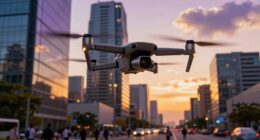
As AI quietly integrates into your office, it's reshaping the way you work. While some roles may vanish, new opportunities in AI management are emerging. This shift raises questions about job security and the skills you'll need to thrive. What does this mean for your career path? Understanding the implications of AI's presence could be crucial for navigating the future of work effectively.
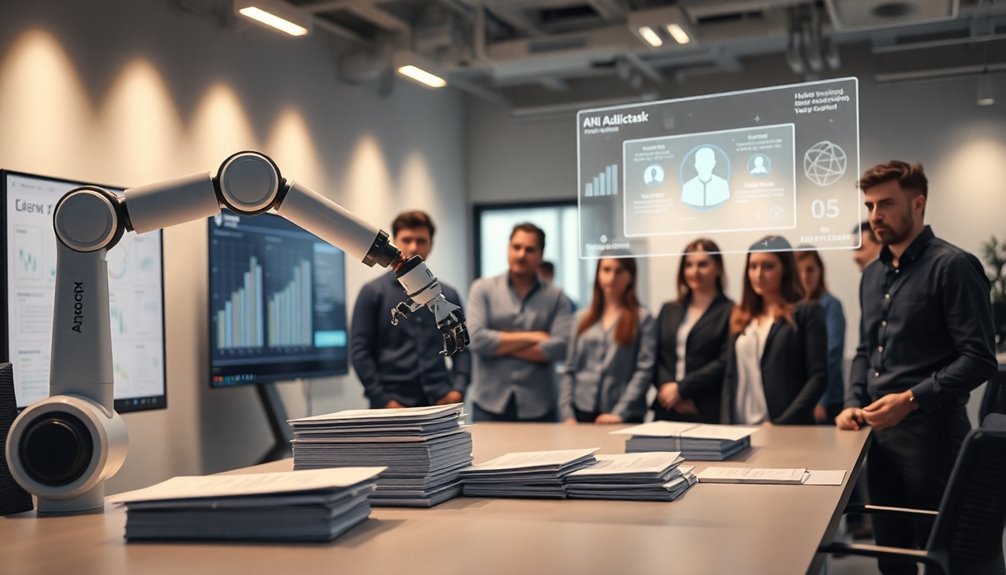
As businesses increasingly integrate AI into their operations, you might find yourself wondering how this technology will transform your office environment. With 77% of companies either adopting AI or exploring its implementation, there's no denying that change is on the horizon. While this shift promises enhanced productivity and efficiency, it also raises concerns about job security and the future of your role.
You may be aware that AI is automating tasks at a staggering pace, potentially handling up to 50% of workloads in certain positions. This automation means that some of your daily tasks might soon be taken over by algorithms. With 44% of companies expecting layoffs due to AI, it's natural to feel anxious about job displacement. Currently, around 14% of workers have already faced job loss because of AI advancements. Sectors like writing and software development are particularly vulnerable, and manufacturing could see two million jobs replaced by automated tools by 2025. By 2030, 14% of employees will change careers due to AI(14% of employees will change careers). Additionally, the rise of automation tools in Software Quality Assurance (SQA) will further reshape job roles in this field.
However, it's not all doom and gloom. Despite concerns about job losses, a significant 91% of companies using AI plan to hire new employees by 2025. This indicates a net positive effect on job creation, suggesting that while some positions may vanish, new opportunities will arise. You'll likely find that roles related to AI, such as AI engineers and product managers, are in demand.
To stay competitive, it's crucial to adapt and acquire skills in data analysis, machine learning, and other human-centric abilities like creativity and emotional intelligence. The demand for AI skills is soaring, with 96% of companies believing that having such expertise will enhance job candidates' prospects. Over 120 million workers may need retraining to meet the evolving industry demands. By staying informed about AI advancements and engaging with experts, you can navigate this transition more effectively.
AI's integration into your workplace doesn't just spell challenges; it also offers significant benefits. You'll likely find that AI enhances productivity, reduces errors, and improves decision-making processes. By automating mundane tasks, AI allows you to focus on complex responsibilities that require human insight and creativity.
In this evolving landscape, embracing the changes AI brings could ultimately lead to a more fulfilling and dynamic work experience. Prepare yourself for the future, and you might find that AI can be a powerful ally rather than a competitor.
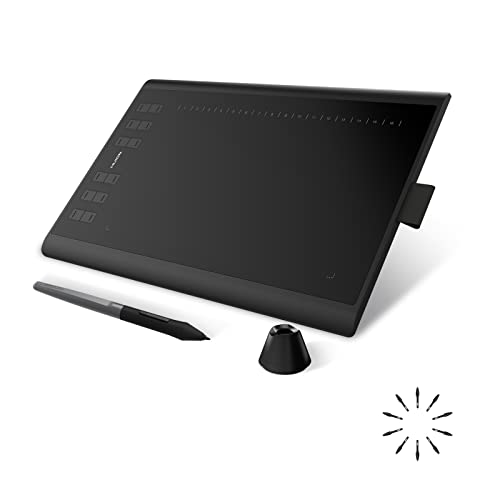
HUION Inspiroy H1060P Graphics Drawing Tablet with 8192 Pressure Sensitivity Battery-Free Stylus and 12 Customized Hot Keys, 10 x 6.25 inches Digital Art Tablet for Mac, Windows PC and Android
Working Area Configuration - HUION art tablet equips with a 10 x 6.25 inches working area, providing the...
As an affiliate, we earn on qualifying purchases.

UGEE Drawing Tablet Graphics, M708 V2 Upgrade PC&Computer&Android Device,10x6 Inch Ultra Thin Large Graphic for PC, Pad with 8 Hot Keys Upgrade 16384 Level Battery-Free Stylus for Unleash Creativity
[Drawing tablet for PC &Computer support Mac/Windows/Android/Chrome】:Compatible with multiple operating systems: Works with Windows, macOS, Chrome OS, and...
As an affiliate, we earn on qualifying purchases.

HUION Inspiroy 2 Small Drawing Tablet, Digital Art Tablet with Scroll Wheel, 6 Hot Keys, Battery-Free Stylus, Pink Graphics Tablet for Drawing, Design, Writing, Work with PC, Mac & Android
[Advanced PenTech 3.0]: Upgraded from PenTech 2.0 to PenTech 3.0, Inspiroy 2 drawing tablet for pc offers amazing...
As an affiliate, we earn on qualifying purchases.

GAOMON M10K Drawing Tablet, 10x6 inch Large Graphics Tablet with Touch Ring, 8192 Levels Battery-Free Stylus, 10 Hot Keys, Art Tablet for Design, Writing, Editing, Work with Mac, Windows, Android
[Natural Pen Performance]: GAOMON M10K digital drawing tablet includes a battery-free stylus AP31 with 8192 levels of pressure...
As an affiliate, we earn on qualifying purchases.