To implement AI translation into your business, start by choosing tools that utilize advanced neural networks and language models to guarantee accuracy and context awareness. Automate content like customer support, marketing, and internal communication to save time and reduce costs. Begin with small projects to test effectiveness, then gradually scale up as you see results. Properly training your team and staying updated on technological advancements will maximize benefits—continue exploring how to seamlessly integrate these systems for global growth.
Key Takeaways
- Choose AI translation tools powered by advanced neural networks and language models for accurate, context-aware translations.
- Start with small-scale projects to test effectiveness before scaling AI implementation across departments.
- Integrate AI translation into customer support, marketing, and content workflows to improve efficiency and reach.
- Train teams on proper use and oversight of AI tools to ensure high-quality, culturally appropriate translations.
- Continuously evaluate and update AI systems to leverage ongoing innovations and maintain translation accuracy.

Have you ever wondered how AI translation is transforming the way we communicate across languages? It’s a game-changer for businesses looking to expand their reach and improve operational efficiency. At the core of this revolution are neural networks and advanced language models that enable machines to understand and generate human language with remarkable accuracy. When you implement AI translation into your business, you’re leveraging these sophisticated systems to break down language barriers effortlessly. Neural networks process vast amounts of data to recognize patterns and relationships between words and phrases, which allows AI to produce more natural and contextually appropriate translations. These networks learn continuously, adapting to new language nuances and improving their performance over time, making your translations increasingly reliable. The integration of AI translation tools is also supported by ongoing developments in AI Entertainment, which drive innovations in how machines understand and generate content. Language models, which are trained on enormous datasets, serve as the backbone for many AI translation tools. They understand context, idiomatic expressions, and cultural subtleties that traditional translation methods often miss. This means your business can deliver messages that resonate more authentically with international audiences. When integrating AI translation, you need to select tools or platforms that utilize powerful neural networks and robust language models. These systems can handle large volumes of content quickly, allowing you to automate customer support, translate product descriptions, or localize marketing materials without sacrificing quality. This automation not only saves time but also reduces costs, enabling your team to focus on strategic initiatives rather than tedious translation tasks. To successfully implement AI translation, consider how these neural networks and language models will fit into your existing workflows. Start small by testing AI tools on specific projects or departments, such as customer service or content localization. As you see positive results, scale up gradually, ensuring your team is trained to use these tools effectively. Additionally, maintaining oversight is vital; AI translation isn’t perfect yet, and human review remains essential for high-stakes or sensitive content. But with continual improvements driven by neural network advancements and updates to language models, your reliance on manual translation will decrease markedly over time. Ultimately, integrating AI translation into your business operations can open doors to new markets, improve customer experience, and streamline internal communication. By understanding the power of neural networks and language models, you’ll harness cutting-edge technology that enhances your global presence. As these systems evolve, so will your ability to connect across borders seamlessly, making AI translation not just an option but a strategic asset in your growth journey.

Language Translator Device No WiFi Needed, Instant Pocket AI Translator, traductor de Ingles español, Support 150 Languages Real-TimeVoice Translation, Traductor for Business Travel Study
【AI Translator Supporting 150 Languages】This instant translator adopts the latest technology, ultra-fast and accurate translation, the response time…
As an affiliate, we earn on qualifying purchases.
As an affiliate, we earn on qualifying purchases.
Frequently Asked Questions
How Secure Is AI Translation Data Handling?
AI translation data handling is generally secure, but it’s crucial to prioritize Data Privacy and use robust Encryption Standards. You should choose providers that comply with industry regulations and implement end-to-end encryption to protect your information. Regularly reviewing security protocols and ensuring your data is anonymized can further strengthen security, giving you peace of mind that your sensitive data remains protected during translation processes.
Can AI Translation Adapt to Industry-Specific Jargon?
Think of AI translation as a chameleon, blending seamlessly into your industry’s landscape. It can adapt to industry slang and technical terminology, learning from your data and refining its understanding. With enough exposure, it becomes fluent in your sector’s language, ensuring precision. While it’s not perfect yet, ongoing training helps it grasp nuances, so your messages stay clear and relevant, no matter how specialized your jargon gets.
What Is the Cost-Benefit Analysis of AI Translation?
You’ll find that AI translation offers excellent cost efficiency and scalability, making it a smart investment. While upfront costs are manageable, the long-term savings come from faster translations and reduced need for human editors. Plus, as your business grows, AI can easily scale to meet increased demand without significant additional costs. Overall, the benefits outweigh expenses, especially when you need quick, consistent translations across multiple languages.
How Does AI Translation Ensure Cultural Sensitivity?
Did you know that over 75% of consumers prefer brands that respect cultural nuances? AI translation guarantees cultural sensitivity by analyzing language diversity and context, adapting messages to fit local customs and idioms. It uses advanced algorithms to recognize subtle differences, preventing miscommunication and respecting cultural norms. This way, your business communicates effectively across diverse markets, fostering trust and building stronger international relationships.
What Are the Integration Challenges With Existing Systems?
You might face system compatibility issues when integrating AI translation into your existing platforms, as some tools may not seamlessly connect with your current infrastructure. Additionally, user training becomes essential to guarantee your team can operate the new system effectively. Addressing these challenges proactively helps you streamline integration, minimizes disruptions, and maximizes the benefits of AI translation, enabling smoother adoption across your business operations.

AI Language Translator Device, 2026 Upgraded VORMOR Translator No WiFi Needed, Support ChatGPT, Instant Two-Way 150 Languages Translation, Offline/Photo Translation for Business Travel
【AI Translator Supporting 150 Languages】Vormor instant translator adopts the latest technology, ultra-fast and accurate translation, the response time…
As an affiliate, we earn on qualifying purchases.
As an affiliate, we earn on qualifying purchases.
Conclusion
By embracing AI translation, you open doors to new opportunities and smoother global connections. While it may seem like a small step, it subtly shifts your business’s horizon, hinting at growth beyond borders. Remember, every innovation is a gentle nudge toward a brighter future—sometimes, the tiniest changes lead to the most meaningful transformations. Trust in the process, and you’ll find your path unfolding in ways you never imagined.
automated customer support translation platform
As an affiliate, we earn on qualifying purchases.
As an affiliate, we earn on qualifying purchases.
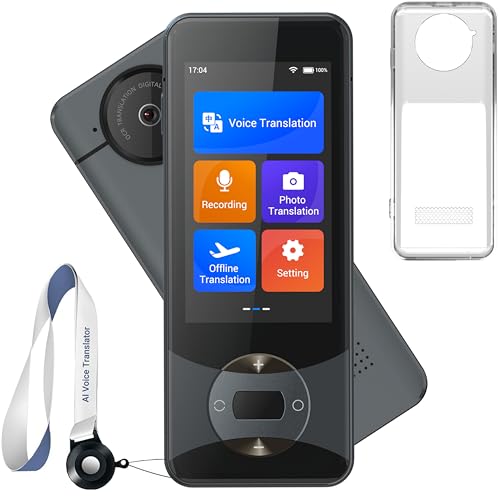
ANFIER W10 AI Translation Device, Real Time Language Translator No WiFi Needed, Voice Instant Two-Way Translator in 144 Languages & Accents, Offline/Photo/Text Translation for Business Travel (Grey)
Precise Online & Offline Translation: ANFIER W10 Translation Device supports 144 online languages & accents & 16 offline…
As an affiliate, we earn on qualifying purchases.
As an affiliate, we earn on qualifying purchases.