
TL;DR

Get business pricing on tech for your team
- Business-only prices and quantity discounts
- Tax-exempt purchasing
- Multiple users, one account, clear invoices
South Korea’s National Court Administration reported that 243 of 360 judges surveyed had encountered false or distorted citations in court filings. Among judges who had seen them, 196 identified nonexistent precedents and 159 identified real rulings cited with false content; the survey records judges’ experiences, not the rate of false citations in all filings.
South Korea’s National Court Administration said on November 2 that judges responding to its first survey on false legal citations had encountered nonexistent or distorted precedents in court filings. Of 360 judges surveyed, 243—67.5%—were reported to have seen such material; the finding has drawn attention to the risk that AI-generated errors may enter legal proceedings, including through documents submitted by lawyers.
The survey was conducted from October 6 to 16 among judges serving at courts at all levels. The administration’s four-page release said that about 80% of responding judges handling civil, family and administrative cases had encountered false or nonexistent precedents. That figure applies to this group, not to all 360 respondents. The 243 judges reported by the Korean daily Kyunghyang Shinmun as having seen false citations represent 67.5% of all respondents.
Among judges who reported encountering false citations, 196 (80.7%) identified precedents that did not exist, while 159 (65.4%) identified real precedents cited with false content. The survey allowed multiple answers. Judges also reported false or nonexistent statutes and academic papers or other literature, though less often. These numbers describe the kinds of material respondents said they had encountered; they do not measure the share of court filings containing errors.
Asked who had submitted the material, 164 judges (69.5%) selected the parties themselves and 136 (57.6%) selected lawyers acting as representatives or defense counsel. The administration said false citations had appeared in documents submitted by both litigants and lawyers. The percentages refer to respondents to that question, and the source material does not provide the full question wording.
False Citations Test Court Safeguards
Legal citations let judges and opposing parties check the authority behind an argument. A fabricated case number or a genuine ruling described inaccurately can add verification work and, as the court administration warned, may slow proceedings. The administration also said such citations can burden the opposing party, which must spend time checking whether cited material exists and says what a filing claims.
The reported involvement of licensed lawyers makes the issue wider than individual litigants using AI without legal support. The survey does not establish that AI caused every false citation, nor does it identify how many cases were affected. It does show that judges reported seeing errors in material attributed to both parties and lawyers. That may sharpen calls for professional checking practices and rules governing AI-assisted court submissions.
Judges expressed strong support for an institutional response: 91.7% favored one. The most frequently selected options were a legal basis for fines, a duty to verify citations, and a duty to disclose AI use. Those responses indicate what surveyed judges want considered; they are not enacted requirements.
Products Worth Considering
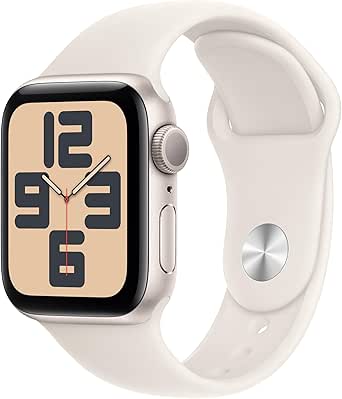
Apple Watch SE (2nd Gen) GPS 40mm with Starlight Aluminum Case and Sport Band (S/M)

Apple Watch Series 8 GPS, 41mm, Midnight Aluminum Case with Midnight Sport Band (S/M)

Jackery HomePower 3600 Plus Portable Power Station, 3584Wh, 3600W
As an affiliate, we earn on qualifying purchases.
What the Korean Survey Measured
The National Court Administration, the administrative arm of South Korea’s Supreme Court, said it commissioned the survey because AI systems can produce false citations and nonexistent precedents. Its release said these errors can impose unnecessary verification burdens and hinder the timely progress of trials. The survey was the administration’s first on citations of AI-generated false precedents and similar material.
The distinction between the headline figure and the broader result matters. The approximately 80% figure concerns judges handling civil, family and administrative cases. The 67.5% figure is the share of all 360 respondents reported to have encountered false citations. Neither figure is an estimate of the proportion of filings that contain false material: the survey asked what judges had experienced, and the source does not say how many judges were invited or provide the precise question wording.
The administration described examples including AI-generated judgments formatted to resemble Supreme Court decisions, Supreme Court case numbers attached to reasoning that could not be found in a search, and real rulings whose holdings had been altered or presented contrary to their meaning. The examples show why verification against the original authority matters, but the release does not provide case names or details that would establish how often each type occurred.
Survey Limits and Open Questions
The results do not establish how often false citations occur across South Korean court filings. They measure judges’ reported experience, not an audit of every submission or a verified count of cases. The administration did not state how many judges were invited, and the available release does not include the exact wording of each survey question.
It is also unclear how many of the reported examples were generated by AI, how many arose from other sources, and whether any led to sanctions, delays or changed outcomes. The figures on who submitted false material reflect judges’ selections and should not be read as a finding that every named submission was knowingly false. A translation discrepancy in one English-language account also underscores the need to check the Korean release: the source identifies litigants themselves, not judges, in the category associated with the 164 responses.
Proposed Rules Await Legislative Action
The National Court Administration plans to propose amendments to South Korea’s Civil and Criminal Procedure Acts that would allow fines for false citations, according to the source report. Survey respondents also favored duties to verify cited authorities and disclose AI use. The available material does not establish the wording, timing or legislative prospects of any proposal, or whether verification and disclosure duties would be included in draft amendments.
For now, the published findings are a survey report, not a new legal rule. Further details about any proposal—and whether lawmakers adopt it—remain pending. The administration’s next public step would be to set out the proposed changes; the source material gives no date for that process.
Key Questions
How many judges reported seeing false citations?
243 of the 360 respondents were reported by Kyunghyang Shinmun to have encountered false citations, equal to 67.5% of the full survey. The court administration’s roughly 80% figure refers specifically to responding judges handling civil, family and administrative cases.
What kinds of false citations did judges report?
Among judges who had encountered false citations, 196 identified nonexistent precedents and 159 identified real precedents cited with false content. The survey also recorded reports of false or nonexistent statutes and academic material. Respondents could select more than one type.
Does the survey show that AI caused every false citation?
No. The administration connected the issue to AI-generated errors, but the survey figures do not establish the source of every example. The results report what judges said they had encountered, not a case-by-case determination of how each citation was produced.
What changes might South Korea consider?
The National Court Administration plans to propose changes to the Civil and Criminal Procedure Acts that would allow fines, according to the source report. Surveyed judges also supported citation-verification and AI-disclosure duties, but no final rules or timetable are specified.
Source: Thorsten Meyer AI