TL;DR
Listen free for 30 days with Audible
Thousands of audiobooks and originals — cancel anytime.
Start your free trialAs an affiliate, we earn on qualifying purchases.
A new approach tests daily postpartum check-ins for the first two weeks after discharge, aiming to improve maternal recovery. Early trials involve 15 first-time mothers to assess feasibility and impact.
Researchers are testing a new model of daily postpartum check-ins for first-time mothers discharged from hospital before their 6-week follow-up, aiming to improve maternal recovery and detect complications early. This initiative responds to concerns that current postpartum care often leaves new mothers without personalized support during the critical first two weeks at home.
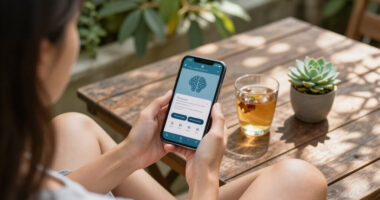
The program involves recruiting 15 first-time mothers within 48 hours of discharge and providing them with daily check-ins via a mobile app. These check-ins are tailored based on delivery details, feeding method, and mental health baseline, and they deliver targeted recovery tips while prompting mothers to contact healthcare providers if certain symptoms arise. The goal is to identify early warning signs of complications and encourage timely medical intervention.
This approach is being tested as a narrow first step toward improving postpartum care, with the initial focus on feasibility, completion rates, and whether flagged symptoms lead to appropriate medical contact. The concept is supported by maternal health awareness campaigns emphasizing the postpartum gap and the widespread use of smartphones for healthcare support.
Potential Impact on Postpartum Maternal Care
If successful, daily postpartum check-ins could transform early maternal care by providing personalized, timely support during the high-risk first two weeks after delivery. This could lead to earlier detection of complications such as infections, hemorrhage, or mental health issues, potentially reducing postpartum morbidity and improving overall recovery outcomes. The model also opens avenues for scalable, cost-effective interventions that can be integrated into existing healthcare systems or offered via subscription services.
postpartum recovery monitoring app
As an affiliate, we earn on qualifying purchases.
As an affiliate, we earn on qualifying purchases.
Addressing the Postpartum Care Gap
Current postpartum care typically involves a single 6-week follow-up visit, leaving a critical window of 14 days where mothers may experience symptoms that go unnoticed or untreated. Maternal health campaigns have highlighted this gap, which is associated with increased risks of complications and maternal mortality. The use of smartphone-based check-ins is gaining attention as a feasible way to provide continuous support during this vulnerable period. Previous studies have shown that early intervention can improve maternal outcomes, but scalable solutions remain limited.
“Daily check-ins could serve as a simple yet effective way to monitor maternal recovery during the first two weeks at home, which is a critical period for preventing complications.”
— an anonymous researcher
As an affiliate, we earn on qualifying purchases.
Uncertainties Surrounding Implementation and Effectiveness
It is not yet clear how well the pilot program will perform in terms of engagement, adherence, and actual impact on maternal health outcomes. The small sample size of 15 mothers limits the ability to draw definitive conclusions. Additionally, questions remain about how healthcare providers will integrate these check-ins into existing workflows and whether insurance or payer models will support such interventions on a larger scale. Long-term effects and cost-effectiveness are still to be evaluated.
As an affiliate, we earn on qualifying purchases.
Next Steps for Validation and Scaling
The current pilot will run for two weeks, with researchers measuring completion rates and whether flagged symptoms prompt appropriate medical contact. If results are promising, plans include expanding the trial to larger, more diverse populations and assessing the intervention’s impact on postpartum complications and healthcare utilization. Further development will focus on refining the app interface, integrating with electronic health records, and exploring reimbursement pathways through insurers or healthcare systems.
As an affiliate, we earn on qualifying purchases.
Key Questions
What are daily postpartum check-ins?
Daily postpartum check-ins are brief, personalized surveys or prompts delivered via a mobile app to monitor a new mother’s recovery during the first two weeks after discharge from the hospital.
Why focus on the first two weeks postpartum?
The first two weeks after delivery are a high-risk period for complications such as infections, bleeding, or mental health issues, yet current care often lacks daily support during this time.
How will these check-ins improve maternal health?
They aim to detect early warning signs of complications, encourage timely medical contact, and provide tailored recovery advice, potentially reducing adverse outcomes.
Are these check-ins suitable for all mothers?
The current pilot targets first-time mothers discharged before their 6-week follow-up. Further research is needed to determine suitability for broader populations.
What are the challenges of implementing this approach?
Potential challenges include ensuring high engagement, integrating with healthcare workflows, securing reimbursement, and scaling the intervention effectively.
Source: IdeaNavigator AI
Fall Picks
fall essentials
As an affiliate, we earn on qualifying purchases.