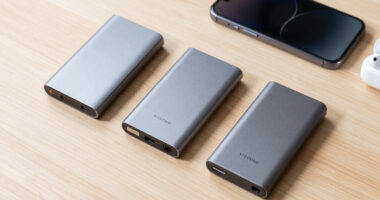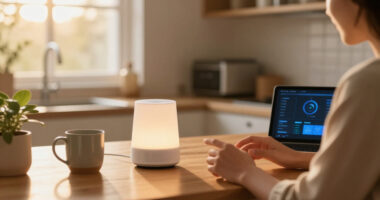
As smart technology advances, the line between gadgets and appliances keeps fading. You’ll notice devices now connect seamlessly, blending form and function with sleek, minimalist designs. Smart appliances adapt to your routines, offer remote control, and look more like high-tech gadgets. This integration enhances convenience and style in your home. If you explore further, you’ll discover how this evolution shapes a smarter, more cohesive living environment that responds effortlessly to your needs.

Get business pricing on tech for your team
- Business-only prices and quantity discounts
- Tax-exempt purchasing
- Multiple users, one account, clear invoices
Key Takeaways
- Smart devices now feature sleek, high-tech designs resembling personal gadgets, reducing visual distinctions between gadgets and traditional appliances.
- Integration into connected ecosystems allows appliances to learn routines and adapt, blurring functional boundaries.
- Touchscreens and minimalist aesthetics make appliances visually similar to smartphones and tablets.
- Remote control and automation capabilities foster a seamless user experience, merging gadget-like convenience with appliance functionality.
- Ongoing technological advances continue to dissolve the physical and conceptual boundaries between gadgets and appliances.
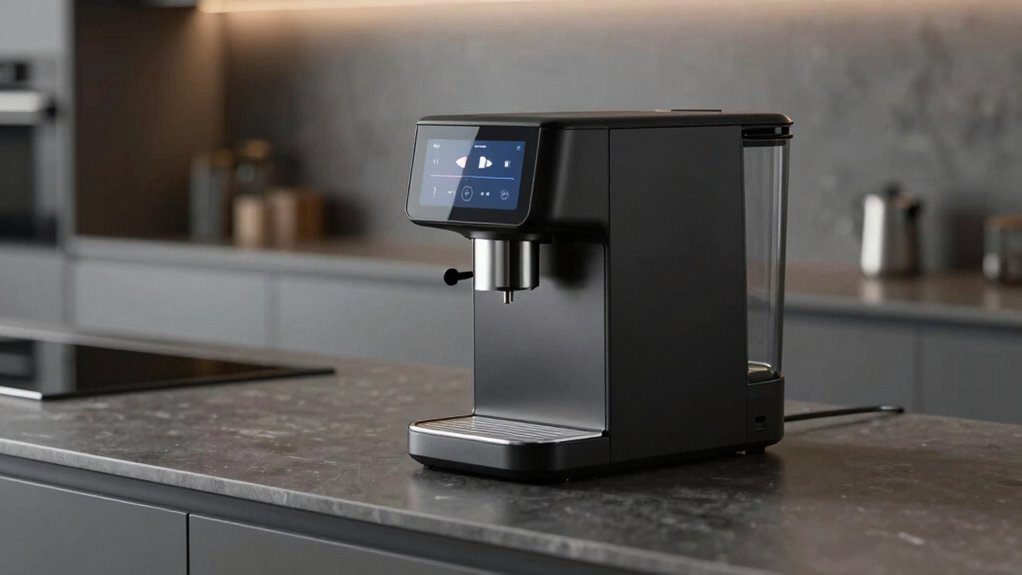
Have you ever noticed how the lines between gadgets and appliances are becoming increasingly blurred? It’s a trend driven by rapid technological advances and changing consumer expectations. Today’s devices aren’t just functional tools; they’re integrated parts of a connected ecosystem, seamlessly blending form and function. This smart integration means that your smartphone, smart fridge, or even a Wi-Fi-enabled coffee maker can communicate with each other, creating a unified experience. The design evolution plays a significant role here, too. Manufacturers are prioritizing sleek, minimalist aesthetics that eliminate the traditional distinctions between a gadget and an appliance. Instead of bulky, standalone devices, you now see streamlined products that serve multiple purposes while fitting effortlessly into your home decor.
Devices are increasingly blending form and function through sleek, connected designs that fit seamlessly into modern homes.
When you consider smart integration, it’s clear how it reshapes what you expect from your devices. Appliances are no longer isolated machines; they’re part of a broader network that learns your routines and adapts accordingly. For example, a smart oven might automatically adjust its temperature based on the recipe you’re following, or a connected washing machine can notify you when your laundry is done via your phone. These features blur the lines between a simple appliance and a sophisticated gadget, giving you more control and convenience than ever before. This interconnectedness also means that your devices can be controlled remotely, reducing the need for physical interaction and creating a more seamless user experience. Additionally, the integration of digital concepts into everyday objects is accelerating this trend, making it easier for consumers to adopt smarter solutions in their homes. As this trend continues, the importance of user-centered design becomes even more apparent in shaping future devices.
The design evolution further contributes to this blurring of categories. Modern appliances look more like high-tech gadgets, with intuitive interfaces, touchscreens, and sleek finishes. They’re crafted to be visually appealing as well as functional, making them less distinguishable from the gadgets you carry around daily. This shift reflects a broader trend toward minimalism, where the focus isn’t just on what the device does but how it looks and integrates into your lifestyle. The aesthetic appeal, combined with smart features, encourages you to see these appliances less as standalone items and more as integrated parts of your connected environment. Moreover, smart home technology is driving this aesthetic and functional convergence, further blurring the lines between gadgets and appliances. Understanding the financial implications of adopting such advanced technology can help consumers make informed decisions about their investments in smart home devices.
In essence, the merging of gadgets and appliances is a response to your desire for simplicity, efficiency, and style. The boundary is disappearing because technology now enhances both the utility and design of everyday devices. As a result, your home becomes a smarter, more cohesive space where the distinctions between tech and appliance are no longer clear-cut but fluid and integrated. This ongoing evolution promises even more innovative products that will further dissolve the line, making your daily interactions with technology more intuitive and seamless.
smart home appliance with touchscreen
As an affiliate, we earn on qualifying purchases.
As an affiliate, we earn on qualifying purchases.
Frequently Asked Questions
How Do Consumer Perceptions Influence the Gadget-Appliance Boundary?
Your perceptions, shaped by user experiences and brand influence, heavily impact how you see the gadget-appliance boundary. When a brand consistently delivers innovative, user-friendly products, you’re more likely to view their devices as appliances rather than gadgets. Conversely, if a product feels trendy but unreliable, you might see it as a gadget. Your expectations and perceptions drive how you categorize and interact with these devices, blurring the line further.
What Are the Legal Implications of Multifunctional Home Devices?
You should be aware that multifunctional home devices pose regulatory challenges, especially regarding safety standards and compliance. These devices often blur legal lines, making it tricky to categorize them properly. Additionally, intellectual property issues can arise if features or designs overlap with existing patents or copyrights. Managing these legal implications requires careful attention to regulations and protecting your innovations, ensuring you avoid infringement and potential legal disputes.
How Does This Blurring Impact Product Warranties and Support?
The merging of gadgets and appliances turns warranties into a tangled web, making support challenges more common. You might find yourself maneuvering warranty complexities, unsure which device covers what or who’s responsible for repairs. This blurring forces you to scrutinize product details carefully, as support services may become fragmented. Ultimately, it’s a reminder that innovation often complicates, rather than simplifies, your ownership experience, demanding vigilance and patience.
Are There Security Concerns With Integrated Smart Appliances?
Yes, integrated smart appliances raise security concerns, especially around privacy and data security. You could be vulnerable to hacking if these devices aren’t properly secured, risking personal data exposure. Always update firmware regularly, use strong passwords, and enable security features. Being aware of privacy concerns helps you protect your information. Manufacturers should prioritize security, but as a user, staying vigilant keeps your smart appliances safe and your privacy intact.
How Do Manufacturers Market These Hybrid Devices?
Like modern alchemists, manufacturers market these hybrid devices by highlighting design innovation that seamlessly blends functionality and style. They emphasize smart features that simplify your life, making appliances feel more like gadgets. To build consumer trust, they showcase security measures and user-friendly interfaces. This approach appeals to your desire for technological sophistication, positioning these devices as essential, innovative solutions that transform everyday routines into effortless, connected experiences.
Wi-Fi enabled smart refrigerator
As an affiliate, we earn on qualifying purchases.
As an affiliate, we earn on qualifying purchases.
Conclusion
As gadgets and appliances intertwine, the line blurs, blending boundaries and broadening horizons. You’ll notice the nifty nuances now nurture a new norm, where technology treads the tightrope between tool and treasure. Embrace this evolving ecosystem, where innovation ignites imagination and infuses everyday essentials with excitement. The future fosters a fusion, forging familiar features into fantastic, functional friends. In this seamless symphony of smart, you stand at the threshold of a thrilling, transforming tech tale.
As an affiliate, we earn on qualifying purchases.
minimalist connected smart devices
As an affiliate, we earn on qualifying purchases.
As an affiliate, we earn on qualifying purchases.
Halloween Picks
halloween
As an affiliate, we earn on qualifying purchases.