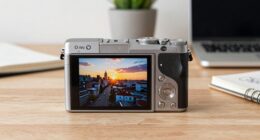
Full-frame cameras set the standard because they deliver exceptional image quality, especially in low light, thanks to larger sensors that gather more light and reduce noise. They offer greater creative control with a pronounced depth of field and beautiful bokeh, allowing you to make your images stand out. Plus, their compatibility with high-quality lenses guarantees accurate perspective and vibrant colors. Keep going to discover how these features can elevate your photography skills even further.
Key Takeaways
- Full-frame sensors deliver superior image quality, especially in low-light conditions, due to their larger size and better light-gathering ability.
- They offer a more pronounced depth of field, enabling stunning background blur and creative control.
- Compatibility with high-quality, professional lenses ensures accurate scene representation and flexible shooting options.
- Larger sensors support higher resolution, richer colors, and broader tonal ranges for vibrant, detailed images.
- They remain the industry standard for professional photography, providing unmatched flexibility, quality, and aesthetic appeal.

Have you ever wondered why professional photographers often prefer full-frame cameras? The answer largely revolves around the sensor size and lens compatibility. Full-frame sensors are larger than those found in crop-sensor or compact cameras, measuring approximately 36mm x 24mm. This extra size allows for several advantages that contribute to their continued popularity and reputation as the standard in high-quality photography. When you use a full-frame camera, you benefit from improved image quality, especially in low-light conditions. The larger sensor gathers more light, which translates into cleaner images with less noise and greater detail. This is crucial for professionals who need crisp, high-resolution photos for print or large displays. Additionally, the larger sensor size provides a wider dynamic range, meaning you can capture more detail in both shadows and highlights within a single shot. This results in more flexibility during post-processing and a broader scope of creative expression. The sensor size also affects depth of field, allowing photographers to create images with a beautifully blurred background that emphasizes the subject. Moreover, the larger sensor can accommodate higher-resolution images, supporting the trend toward ultra-high-definition displays and prints. The sensor size also affects lens compatibility, which is another key factor that makes full-frame cameras desirable. They are designed to work with a wide array of high-quality lenses, many of which are optimized specifically for full-frame sensors. This compatibility allows you to utilize professional-grade lenses that deliver superior sharpness, clarity, and bokeh effects. Because the sensor is larger, the lenses designed for full-frame cameras produce a true representation of the scene without the crop factor that smaller sensors impose. As a result, your images maintain their intended perspective and composition. Moreover, many lens manufacturers prioritize full-frame systems, so you have access to a broader selection of professional lenses that support your creative vision. This extensive lens compatibility means you can adapt to various shooting scenarios, from sweeping landscapes to intimate portraits, without sacrificing image quality. Furthermore, the sensor size directly influences the overall image resolution and detail captured, making it a critical aspect for high-quality photography. A larger sensor also tends to have better color depth and tonal gradation, resulting in richer, more vibrant images. Additionally, the increased sensor size can improve the bokeh quality, enhancing the aesthetic appeal of out-of-focus areas in your images. The combination of these features ensures that full-frame cameras remain the gold standard in the industry, providing a level of image quality, flexibility, and creative control that smaller sensors often can’t match. If you’re committed to producing top-tier images and investing in your craft, understanding the significance of sensor size and lens compatibility is key to appreciating why full-frame cameras continue to dominate the professional market.

Canon EOS R6 Mark II Mirrorless Camera (Body Only), Full-Frame Camera, 24.2 Megapixel CMOS Sensor, Photo and Video Capabilities, Black
FULL-FRAME CMOS SENSOR: 24.2 effective megapixels (approx.) lets you capture sharp, detailed images even in low-light conditions indoors…
As an affiliate, we earn on qualifying purchases.
As an affiliate, we earn on qualifying purchases.
Frequently Asked Questions
How Do Full-Frame Cameras Compare in Low-Light Performance?
Full-frame cameras excel in low-light performance because they offer higher ISO sensitivity, allowing you to shoot in darker conditions without much noise. Their larger sensors also help reduce noise through better noise reduction capabilities, resulting in clearer images. You’ll notice less grain and more detail even at higher ISO settings, making full-frame cameras ideal for night photography or indoor shoots where light is limited.
Are Full-Frame Cameras Suitable for Beginner Photographers?
Think of a full-frame camera as a sturdy ship designed for seasoned sailors; it can seem overwhelming for a novice. While sensor compatibility offers excellent image quality, the camera’s ergonomics might feel bulky at first. If you’re willing to learn and grow, it’s a worthwhile investment. However, if you’re just starting out, a smaller, more manageable camera could be a better fit, helping you navigate your photography journey smoothly.
What Is the Cost Difference Between Full-Frame and Crop-Sensor Cameras?
You’ll find full-frame cameras generally cost more than crop-sensor models due to sensor manufacturing complexities and market pricing strategies. Full-frame sensors are larger, requiring more advanced technology, which drives up production costs. Consequently, market pricing reflects these factors, making full-frame cameras a bigger investment. Crop-sensor cameras are more affordable, appealing to beginners or those on a tighter budget, but full-frame models often deliver superior image quality and performance for serious photographers.
Do Full-Frame Cameras Require Special Lenses?
Do you need special lenses for a full-frame camera? Not necessarily. Full-frame cameras are compatible with most standard lenses, but lens compatibility varies—some lenses designed specifically for crop sensors might not suit full-frame models. You’ll also notice better camera ergonomics and image quality with full-frame lenses, especially in low light. So, while you might want to invest in full-frame-specific lenses, many options exist to meet your needs.
How Does Sensor Size Impact Image Depth and Background Blur?
Sensor size directly impacts image depth and background blur. With a larger sensor, like on full-frame cameras, you get a shallower depth of field, making your subject pop against a blurred background. This is because bigger sensors allow you to use wider apertures while maintaining image quality. Smaller sensors, in contrast, produce more depth of field, keeping more of the scene in focus but reducing background blur.

Sony Alpha 7 IV Full-Frame Mirrorless Interchangeable Lens Camera with 2026 28-70mm Zoom Lens Kit
33MP1 full-frame Exmor R back-illuminated CMOS sensor
As an affiliate, we earn on qualifying purchases.
As an affiliate, we earn on qualifying purchases.
Conclusion
So, after all this talk about how tech keeps advancing, it’s amusing how full-frame cameras still hold the crown. They’re like that trusty old friend who never lets you down, even when newer models promise magic. Sure, smaller sensors are tempting, but if you want that classic, breathtaking quality, you’ll keep reaching for the full-frame. Sometimes, the best things really do stay the same—ironic, isn’t it?
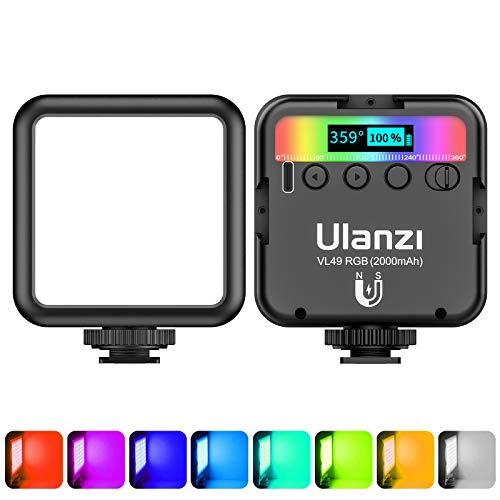
ULANZI VL49 RGB Video Lights, LED Camera Light 360° Full Color Portable Photography Lighting w 3 Cold Shoe, 2000mAh Rechargeable CRI 95+ 2500-9000K Dimmable Panel Lamp Support Magnetic Attraction
【Professional RGB LED Video Lights】The new version VL49 RGB LED video light adopts 60 high color rendering led…
As an affiliate, we earn on qualifying purchases.
As an affiliate, we earn on qualifying purchases.

Canon EOS Rebel T7 DSLR Camera with 18-55mm Lens | Built-in Wi-Fi | 24.1 MP CMOS Sensor | DIGIC 4+ Image Processor and Full HD Videos
24.1 Megapixel CMOS (APS-C) sensor with is 100–6400 (H: 12800)
As an affiliate, we earn on qualifying purchases.
As an affiliate, we earn on qualifying purchases.