
📊 Full opportunity report: Build vs Buy a Prebuilt AI Workstation on ThorstenMeyerAI.com — validation score, market gap, and execution plan.

Get business pricing on tech for your team
- Business-only prices and quantity discounts
- Tax-exempt purchasing
- Multiple users, one account, clear invoices
TL;DR
In 2026, prebuilt AI workstations often match or surpass DIY costs due to shortages and bulk buying. The decision hinges on speed, control, and ownership preferences, with hybrid options emerging as a balanced choice.
In 2026, the landscape for acquiring AI workstations has shifted significantly, with prebuilt systems often matching or beating the cost of custom builds due to supply chain issues and bulk purchasing power. This shift is discussed in the original analysis. This change makes the choice between building and buying more nuanced, focusing on deployment speed, control, and long-term ownership.
Prebuilt AI workstations arrive ready to deploy, including high-end GPUs, optimized cooling, pre-installed software, warranties, and support. Vendors like Lambda and Puget now offer systems that undergo validation, burn-in testing, and thermal tuning before shipping, reducing setup time and hardware failure risks.
The decision to build or buy depends on priorities: prebuilt systems excel in rapid deployment, validation, and support, making them suitable for teams needing quick results with minimal hassle. Conversely, building offers maximum customization, control over hardware and security, but requires significant technical expertise, time, and ongoing management.
Cost comparisons reveal that in 2026, component shortages and price spikes have pushed DIY build costs upward, often exceeding $1,250 for parts alone, while prebuilt systems from bulk buyers like Lambda can match or undercut DIY prices. Hidden costs such as engineering time, maintenance, troubleshooting, and compliance further influence total ownership expenses.
Deployment timelines have shortened considerably for prebuilt options, with delivery often within 1–2 weeks, compared to DIY setups that can take over a month. This speed advantage can be critical for projects with tight deadlines or market windows.
Build vs buy
an AI workstation.
The real question behind this whole series: do you pull the five heat-and-noise levers yourself, or buy a prebuilt where the vendor pulled them for you? And in 2026, the old “building is cheaper” rule has broken. Match your situation in Part 3.
Why the 2026 Shift Changes AI Workstation Choices
The evolving market conditions mean organizations and individuals must reassess their hardware strategies. Prefabricated systems now offer a compelling mix of cost, reliability, and speed, reducing operational risks and enabling faster project initiation. For enterprises, this shift can impact operational efficiency, security, and long-term flexibility, making the choice of hardware more strategic than ever.
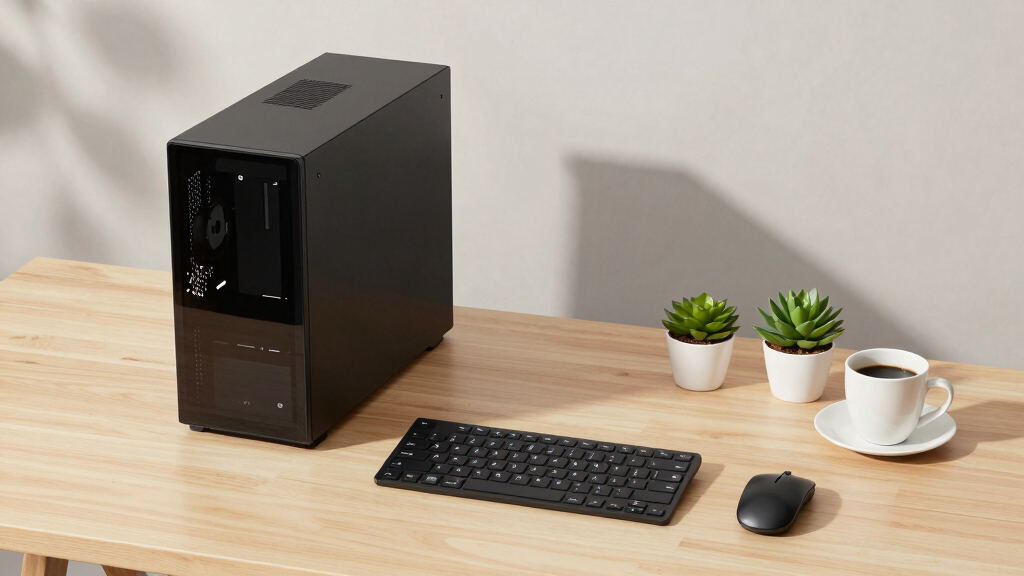
prebuilt AI workstation with high-end GPU
As an affiliate, we earn on qualifying purchases.
As an affiliate, we earn on qualifying purchases.
Market Trends and Supply Chain Impacts in 2026
Supply chain disruptions and global chip shortages have driven up component prices and limited availability since 2023, impacting the overall cost and availability of hardware components for AI workstations. As a result, DIY builds, which previously offered cost advantages, now face higher expenses and longer lead times. Meanwhile, vendors like Lambda, Puget, and AIsmasher leverage bulk purchasing and validation processes to deliver ready-to-run systems at competitive prices, often with shorter lead times.
This shift has made prebuilt systems more attractive for organizations needing rapid deployment and reliable performance, especially in competitive AI development environments. The trend underscores a broader industry move toward validated, support-backed hardware solutions.
"Our prebuilt systems are tested extensively before shipping, which reduces downtime and troubleshooting for our clients."
— John Smith, CTO at Lambda
As an affiliate, we earn on qualifying purchases.
Remaining Questions About Long-Term Ownership and Upgrades
It remains unclear how future supply chain dynamics will influence component prices and availability beyond 2026. Additionally, the long-term upgradeability and security implications of prebuilt systems versus custom builds are still being evaluated, with some experts questioning whether prebuilt systems will maintain their cost advantage or flexibility over time.
enterprise AI workstation prebuilt
As an affiliate, we earn on qualifying purchases.
As an affiliate, we earn on qualifying purchases.
Future Market Developments and Consumer Choice Factors
Expect continued evolution in supply chain resilience and component pricing, which may further tilt the balance toward prebuilt systems. Manufacturers are likely to expand validation, support, and hybrid offerings, giving consumers more options. Additionally, organizations should monitor total cost of ownership, including hidden expenses, as they plan their hardware strategies for the coming years.
As an affiliate, we earn on qualifying purchases.
Key Questions
Are prebuilt AI workstations more cost-effective than building in 2026?
Yes, due to supply shortages and bulk purchasing, prebuilt systems often match or beat DIY costs while offering faster deployment and validated performance.
How long does it typically take to deploy a prebuilt AI workstation?
Most prebuilt systems can be delivered and set up within 1 to 2 weeks, significantly faster than DIY builds, which can take over a month, highlighting the speed advantage of prebuilt options.
What are the main advantages of building my own AI workstation?
Building offers maximum control over hardware, security, and future upgrades, but requires technical expertise, time, and ongoing management.
Will supply chain issues continue to affect component prices?
It is uncertain; current trends suggest ongoing volatility, but manufacturers are working to improve supply chain resilience, which could stabilize prices in the future.
Is hybrid hardware a viable option in 2026?
Yes, hybrid approaches combining prebuilt reliability with custom upgrades are increasingly available, offering a balanced solution for many users.
Source: ThorstenMeyerAI.com
Fall Picks
fall essentials
As an affiliate, we earn on qualifying purchases.