
AI devices are changing what ownership means by shifting control from physical possession to data rights. When you buy a device, you don’t necessarily own the data it generates or controls, as much of it is stored on cloud platforms and governed by company policies. Your rights over that data—like access, modification, and privacy—are becoming central to ownership, making it more complex. Keep exploring to understand how this evolving landscape affects your digital life.

Get business pricing on tech for your team
- Business-only prices and quantity discounts
- Tax-exempt purchasing
- Multiple users, one account, clear invoices
Key Takeaways
- Ownership shifts from physical possession to control over data and digital rights associated with AI devices.
- User rights increasingly depend on platform policies, affecting data access, modification, and deletion.
- Data generated by AI devices often belongs to companies, challenging traditional notions of personal ownership.
- Privacy concerns grow as AI devices collect extensive personal data, influencing how ownership and control are perceived.
- Legal frameworks are evolving to redefine ownership, emphasizing data rights over physical device ownership.
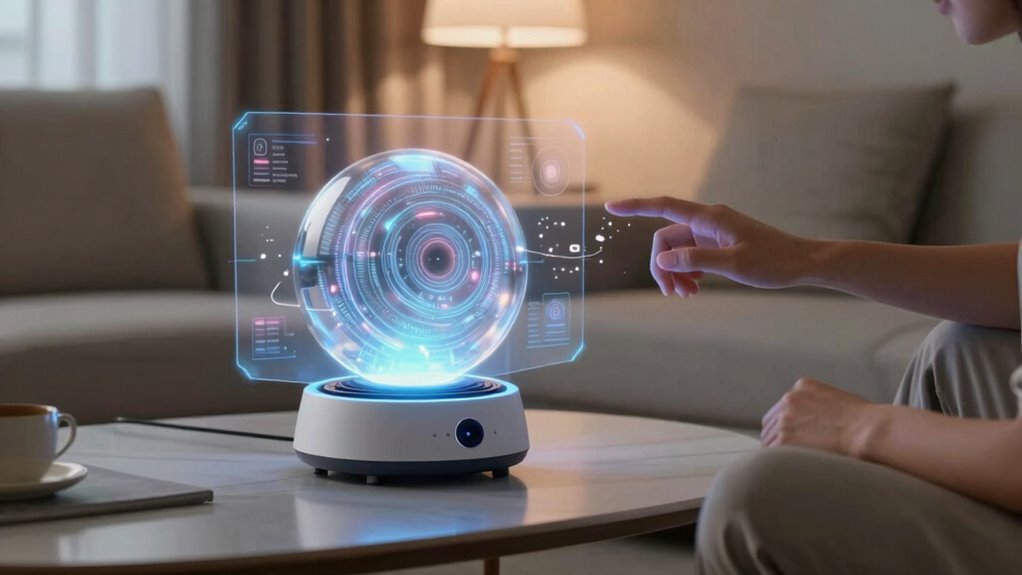
As artificial intelligence devices become more integrated into our daily lives, questions about ownership and rights over these tools grow increasingly important. You might think of owning a device as simply possessing it physically, but AI challenges that notion by raising complex issues around digital rights and privacy concerns. You might think of owning a device as simply possessing it physically, but AI challenges that notion by raising complex issues around digital rights and privacy concerns. When you buy a smart speaker or a virtual assistant, you’re not just purchasing hardware; you’re gaining access to a system that processes your data continuously. This shift in ownership means that your rights are intertwined with the data generated and stored by these devices. You may feel entitled to control your device, but in reality, the company’s terms of service and data policies often determine what you can do with the information it collects.
Digital rights become a crucial part of this conversation. As you use AI devices, your rights to access, modify, or delete your data come into question. The lines between ownership and control blur because these devices often operate on cloud-based platforms, where your data is stored remotely. This setup can make you feel like you own the device, but in truth, the company behind it controls much of the data flow, potentially limiting your autonomy over your personal information. Privacy concerns are at the forefront here. AI devices gather vast amounts of data about your habits, preferences, and routines, which can be exploited or mishandled. You might worry about who has access to this data, how it’s used, or whether it’s adequately protected against breaches. Recognizing the importance of data ownership is essential in understanding your rights in this digital landscape.
Your data rights are often limited by cloud-based platforms controlling your AI device’s information.
The concept of ownership could evolve into a more nuanced understanding where your relationship with AI devices hinges on rights to data rather than physical possession alone. You may own the hardware, but the data generated by your interactions often belongs to the company or platform providing the AI service. This raises questions about the extent of your control and whether you truly own the digital footprint you leave behind. As laws and regulations begin to catch up with technology, you might gain more rights to your data, but the current landscape often leaves you navigating complex user agreements that limit your digital rights. Additionally, the technological infrastructure supporting AI devices plays a significant role in how data is collected, stored, and shared, further complicating ownership boundaries.
Furthermore, understanding the ownership of data in AI devices is crucial to grasp the full scope of your rights and limitations. In this evolving environment, your sense of ownership must expand beyond the physical device. It involves understanding your rights over the data it produces and how your privacy is protected. The digital ecosystem surrounding AI devices influences how seamlessly data can be transferred, accessed, or restricted, impacting your overall control. The importance of user agreements and their role in defining your rights cannot be overstated, as they often specify the extent of your control over your personal information. The more you rely on AI devices, the more important it becomes to know who owns your digital footprint, how your privacy is safeguarded, and what rights you have to control or delete your data. Ultimately, AI is reshaping ownership from a simple matter of possession to a broader conversation about rights, privacy, and control over your digital life.
smart speaker data privacy protection
As an affiliate, we earn on qualifying purchases.
As an affiliate, we earn on qualifying purchases.
Frequently Asked Questions
How Will AI Ownership Affect Intellectual Property Rights?
AI ownership will profoundly impact intellectual property rights by shifting digital autonomy to AI creators and users. You might find yourself steering new legal landscapes around who owns AI-generated content. Ethical considerations come into play, questioning whether AI should have rights or if humans retain full control. As AI becomes more autonomous, you’ll need to stay informed about evolving IP laws and balance innovation with responsible ownership to protect creative works effectively.
Can AI Devices Be Considered Legal Owners?
You can’t consider AI devices legal owners right now because they lack autonomous rights, which are essential for ownership recognition. This absence raises liability implications, as humans or organizations remain responsible for AI actions. Laws haven’t evolved to grant AI autonomous rights or property status, so ownership still belongs to the human or entity controlling the device. Until legal frameworks change, AI devices can’t be legally recognized as owners.
What Are the Privacy Implications of AI Device Ownership?
You might worry about privacy risks with AI device ownership, but understanding data privacy and user consent can help. When you own an AI device, make sure it clearly states how your data is used and obtain your consent before collection. Staying informed and setting permissions empowers you to protect your personal information, making AI ownership safer. By actively managing privacy settings, you maintain control over your data privacy and minimize exposure.
How Will Ownership Rights Transfer Between Humans and AI?
Ownership rights will shift as AI devices gain digital autonomy, making it essential for you to understand your ethical responsibilities. You might initially own the device, but as AI systems become more autonomous, control could transfer to the AI itself or to shared digital platforms. This evolving landscape demands careful consideration of legal and moral boundaries, ensuring that both human interests and AI’s emerging autonomy are balanced ethically.
What Legal Frameworks Will Regulate AI Ownership Claims?
Imagine a courtroom as a balanced scale, symbolizing justice and fairness. You’ll see legal frameworks evolving around AI’s legal personhood, establishing who holds ownership rights. These laws aim to resolve ownership disputes by defining AI’s role and rights. As AI gains independence, you’ll need clear regulations that clarify ownership claims, ensuring accountability and protecting human interests while addressing the complexities of AI’s legal status.
AI virtual assistant with data control features
As an affiliate, we earn on qualifying purchases.
As an affiliate, we earn on qualifying purchases.
Conclusion
So, as you enthusiastically embrace AI devices as your new best friends, remember—they might just redefine what “owning” really means. Instead of you controlling your gadgets, they could be controlling you, with ownership becoming a blurry concept. Ironically, in trying to gain more convenience, you might find yourself losing a bit of your independence. Who knew that the future of ownership would be less about possession and more about surrender? Welcome to the age of AI, where you’re not just a user—you’re a guest.
As an affiliate, we earn on qualifying purchases.
privacy-focused smart home devices
As an affiliate, we earn on qualifying purchases.
As an affiliate, we earn on qualifying purchases.
Halloween Picks
halloween
As an affiliate, we earn on qualifying purchases.