
In today’s hyperconnected world, embracing tech minimalism allows you to take control of your digital life. By intentionally choosing tools that serve your needs and setting boundaries like digital detoxes, you can reduce clutter and mental stress. Creating calming environments and practicing mindful device use helps you maintain balance and mental clarity. If you want to explore how simplifying technology can boost your well-being, you’ll find practical ways to get started as you continue your journey.
Key Takeaways
- Growing awareness of digital overload is driving interest in intentional, minimalist tech practices to reduce stress and improve well-being.
- People are adopting digital detox strategies to regain control over their device usage and foster mindfulness.
- Tech minimalism emphasizes quality over quantity, promoting purposeful device interactions and fewer distractions.
- Enhanced physical and environmental spaces support mental clarity and encourage offline leisure activities.
- The movement seeks a balanced relationship with technology, integrating mindful use for mental health benefits in a hyperconnected world.

Have you ever felt overwhelmed by the constant stream of notifications, emails, and social media updates? If so, you’re not alone. In a world where technology is woven into every aspect of life, it’s easy to feel lost in the noise. That’s where the quiet rise of tech minimalism comes into play, offering a fresh perspective on how you can reclaim your time and attention. Tech minimalism isn’t about abandoning technology altogether but about intentionally choosing tools that serve your needs without cluttering your life. It’s about simplifying digital interactions and making space for what truly matters.
One of the key strategies in this movement is embracing a digital detox. You might start by turning off non-essential notifications or setting designated times to check emails and social media. The goal isn’t to cut yourself off from technology but to regain control over its influence. A digital detox helps you break free from compulsive scrolling and constant connectivity, giving your mind a much-needed break. This pause allows you to reconnect with the present, focus on meaningful activities, and reduce stress. Over time, these small acts can lead to a profound shift in how you relate to digital devices. Additionally, understanding the importance of contrast ratio in displays can improve your visual experience, making your digital interactions more comfortable and immersive. Incorporating backyard transformation essentials like outdoor seating or fire pits can help you create a calming environment away from screens, encouraging more mindful leisure. Recognizing the impact of digital clutter** on mental health can motivate you to maintain these healthy habits. Exploring ways to incorporate calming sound therapy** or nature sounds into your environment can further support relaxation and mental clarity.
Mindful technology is another core concept behind tech minimalism. It encourages you to be intentional with your device use, choosing quality over quantity. You might ask yourself, “Does this app or notification add value to my life?” When your interactions are purposeful, technology becomes a tool for enhancement rather than distraction. Practicing mindful technology involves setting boundaries—perhaps limiting screen time or designating tech-free zones in your home. It’s about cultivating awareness of how digital consumption affects your mental well-being and making conscious choices to foster balance. Moreover, understanding how early socialization and healthy habits influence behavior can help you develop better relationships with your devices and those around you.
In this context, tech minimalism isn’t a rejection of technology but a way to harmonize its benefits with your mental health. By reducing digital clutter, you create space for more meaningful experiences and deeper connections with the world around you. As you adopt this approach, you’ll find that your attention span lengthens, your stress levels decrease, and your overall well-being improves. The movement toward tech minimalism is subtle but powerful; it invites you to slow down, reflect, and prioritize what truly matters in a hyperconnected age. With mindful technology and intentional digital habits, you can enjoy the advantages of modern innovation without sacrificing your peace of mind.

The Digital Fast: 40 Days to Detox Your Mind and Reclaim What Matters Most
What's included in the book: – Practical strategies for disconnecting from screens and social media – Inspiring stories…
As an affiliate, we earn on qualifying purchases.
As an affiliate, we earn on qualifying purchases.
Frequently Asked Questions
How Does Tech Minimalism Differ Across Various Cultural Contexts?
You’ll notice that tech minimalism varies across cultures because of differing cultural perceptions and approaches to technological adaptation. In some societies, minimalism is embraced as a way to promote mindfulness and balance, while others see it as a practical response to technological overload. These differences influence how people adopt minimal practices, shaping their relationship with technology based on cultural values, attitudes, and how they adapt to digital environments.
What Are Common Misconceptions About Adopting Tech Minimalism?
You might think tech minimalism means giving up all digital tools, but it’s really about digital decluttering and conscious tech use. Many believe it’s about restriction, yet it’s about creating space for what truly matters. It’s not about abandoning technology but using it intentionally. Misconceptions often overlook how tech minimalism enhances focus and well-being, making your digital life more purposeful rather than less connected.
How Can Beginners Start Practicing Tech Minimalism Effectively?
To start practicing tech minimalism effectively, focus on digital decluttering by deleting unused apps and organizing your files. Practice mindful device usage by setting boundaries, like designated screen-free times or limiting notifications. Begin small—perhaps by reducing social media time or turning off non-essential alerts. Consistency is key; over time, these habits will help you reconnect with what truly matters and foster a calmer, more intentional digital life.
What Impact Does Tech Minimalism Have on Mental Health?
Ever wonder how tech minimalism impacts your mental health? It can profoundly reduce stress and anxiety by encouraging a digital detox, helping you disconnect from constant notifications. Practicing mindful browsing allows you to be present and intentional online, which improves focus and emotional well-being. By simplifying your digital life, you create space for relaxation, better sleep, and stronger real-life connections, ultimately fostering a healthier, more balanced mind.
Are There Specific Tools or Apps That Promote Tech Minimalism?
Yes, there are tools that promote tech minimalism, like app detox and digital decluttering apps. These tools help you identify and limit time spent on distracting apps, encouraging you to take breaks and reduce screen time. By using them regularly, you can regain focus, improve mental clarity, and create healthier digital habits. They’re practical steps toward a more intentional and balanced tech use, supporting your overall well-being.
mindful device usage apps
As an affiliate, we earn on qualifying purchases.
As an affiliate, we earn on qualifying purchases.
Conclusion
As you embrace tech minimalism, you’re steering your digital life away from the chaos, carving out space for genuine connection and calm. Like a lighthouse in a stormy sea, simplicity guides you through the noise, helping you find clarity amid constant notifications. By decluttering your devices and setting boundaries, you reclaim control and foster mindful engagement. In this quiet revolution, you discover that less truly is more—lighting your path toward a more intentional, balanced existence.
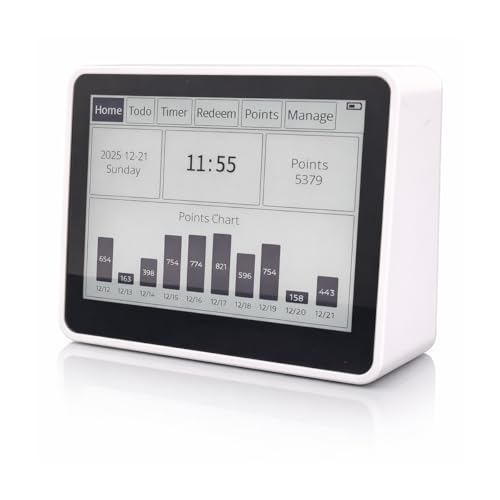
to-Do List Points Reward Manager System, 4.2" Touch Screen Smart Daily to Do Task Redeem Manager with Timer & Real-Time Clock, Rechargeable Chore Tracker Device, Helps Build Good Habits
INTERACTIVE TASK & TIME MANAGEMENT: 4.2" monochrome touchscreen (400×300) with a clean, intuitive interface enables to manage daily…
As an affiliate, we earn on qualifying purchases.
As an affiliate, we earn on qualifying purchases.
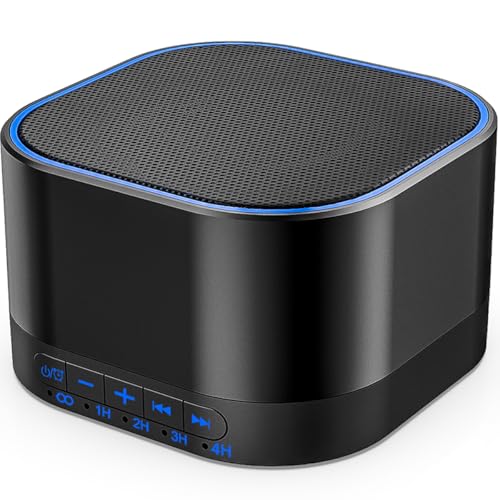
Magicteam White Noise Machine with 20 Non Looping Natural Soothing Sounds Memory Function 32 Levels of Volume Powered by AC or USB and Sleep Sound Timer Therapy for Baby Kids Adults Black
❤20 Non-Looping Sleep Sounds: White noise ,Brown noise, pink noise, blue noise, fan,brook, rain, ocean,bird and Bonfire,suitable for…
As an affiliate, we earn on qualifying purchases.
As an affiliate, we earn on qualifying purchases.