
Smart device privacy is becoming a design question because your trust depends on how well these devices protect your data from unauthorized access and breaches. As a user, you expect strong measures like encryption, user control, and transparency built into the device from the start. Balancing convenience with security is essential, so designers need to take privacy into account early on. If you’re curious, there’s much more to uncover about making smart devices secure and trustworthy.

Get business pricing on tech for your team
- Business-only prices and quantity discounts
- Tax-exempt purchasing
- Multiple users, one account, clear invoices
Key Takeaways
- Privacy concerns are central to user trust and device adoption, making it a fundamental design consideration.
- Integrating security features like authentication and encryption early prevents vulnerabilities.
- Transparent data handling and user control ensure responsible privacy management throughout the device lifecycle.
- Privacy by design minimizes risks and aligns device development with evolving legal and ethical standards.
- Balancing ease of use with strong privacy measures requires intentional, thoughtful design choices.
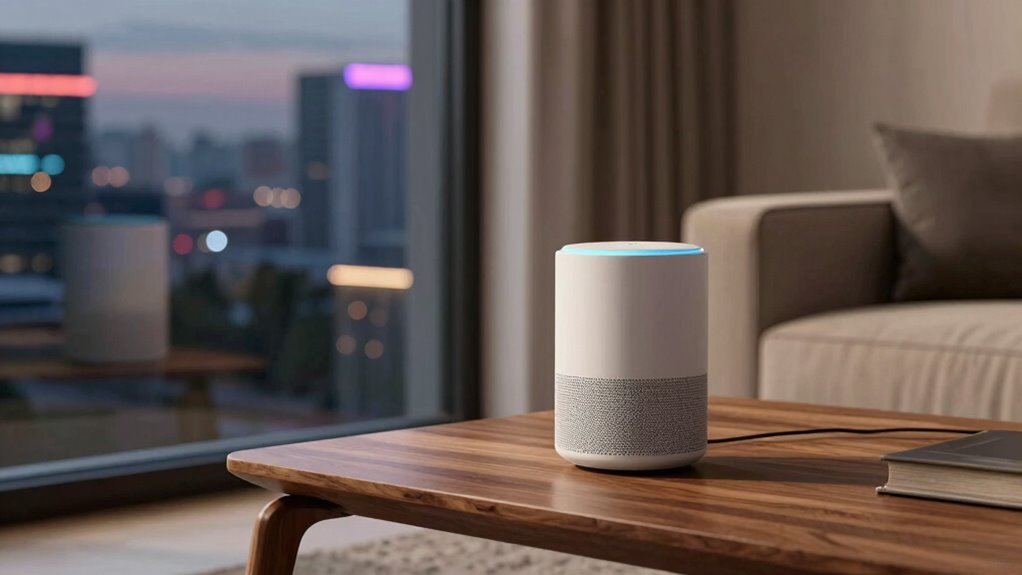
As smart devices become increasingly integrated into daily life, privacy isn’t just an afterthought—it’s a fundamental design challenge. When you rely on these devices, whether for controlling your home, managing your schedule, or communicating, you expect your personal information to stay protected. That’s where the importance of thoughtful design comes in. You need systems that incorporate robust user authentication to prevent unauthorized access, ensuring that only you or authorized users can operate the device or access sensitive data. Strong user authentication methods, like biometric verification or multi-factor authentication, make it difficult for intruders to breach your privacy, giving you peace of mind.
Robust user authentication ensures only authorized users access your smart device and sensitive information.
Alongside user authentication, data encryption plays an essential role. It’s not enough to merely restrict access; the data itself should be rendered unreadable during transmission and storage. When your smart device encrypts your personal information—such as voice commands, location data, or payment details—it becomes markedly harder for hackers to misuse or steal your data. Encryption acts as a barrier, ensuring that even if someone intercepts your data, they cannot decipher it without the proper decryption keys. This layer of protection is vital because smart devices constantly communicate with cloud servers and other connected systems, increasing the risk of interception. data encryption further enhances your privacy by safeguarding your information against potential breaches. Incorporating privacy by design principles from the outset can also help ensure that privacy considerations are integrated into every aspect of device development. Additionally, establishing a clear understanding of data lifecycle management is crucial for maintaining user trust and ensuring responsible data handling.
Designing privacy into smart devices also means considering how data is collected, stored, and shared. You want to be confident that your device is transparent about what information it gathers and that it uses that data responsibly. Implementing privacy by design principles, where privacy features are built from the ground up, helps you trust that your device prioritizes your confidentiality. Clear user controls, so you can decide what data to share and what to keep private, are equally important. Understanding security vulnerabilities in device architecture can help in proactively addressing potential risks before they are exploited.
Furthermore, privacy isn’t just about technical safeguards; it’s about empowering you with knowledge and control. When your device’s privacy features are intuitive and accessible, you’re more likely to understand how your data is protected and make informed choices. Developers and manufacturers must prioritize privacy as a core aspect of their design process, rather than an afterthought or add-on. Ultimately, the challenge lies in balancing convenience with security, ensuring your smart device enhances your life without compromising your privacy. By integrating strong user authentication and data encryption from the outset, designers can create devices that respect your personal boundaries and uphold your trust in an increasingly connected world. Considering content formats and how they communicate privacy practices can also influence user understanding and confidence.
Products Worth Considering

Bose TV Speaker (2nd Gen) Compact Soundbar with Bluetooth and HDMI Connectivity

Bose SoundLink Flex Bluetooth Speaker (2nd Gen), Portable Waterproof Speaker, Black

Samsung 27 Odyssey OLED G5 (G50SF) QHD QD-OLED Gaming Monitor
As an affiliate, we earn on qualifying purchases.
Frequently Asked Questions
How Do Design Choices Impact User Privacy in Smart Devices?
Your design choices directly impact user privacy by emphasizing data encryption and user control. When you implement strong encryption, you protect user data from unauthorized access. By giving users control over their data—like adjustable privacy settings—you empower them to decide what information they share. Thoughtful design guarantees privacy is built into the device, making users feel secure and confident in how their personal data is handled.
What Are the Biggest Privacy Risks Associated With Smart Devices?
You face significant privacy risks with smart devices, especially if data encryption isn’t robust or user consent isn’t clear. Without proper encryption, hackers can access your personal information, and without explicit user consent, your data could be shared or sold without your knowledge. To protect yourself, make sure devices use strong encryption and that you’re fully informed and in control of what data they collect and share.
How Can Manufacturers Balance Functionality and Privacy?
To balance functionality and privacy, you should prioritize protecting user data through diligent data encryption and clear, consistent user consent. By designing devices that deliver dynamic features without compromising sensitive information, manufacturers build trust and transparency. You must make privacy a priority, providing users with control and clarity while maintaining advanced features—striking a smart, secure, and satisfying balance that benefits both users and businesses alike.
Are There Industry Standards for Smart Device Privacy Design?
Yes, industry standards for smart device privacy design exist, emphasizing data encryption and user consent. You’re encouraged to implement strong encryption protocols to protect user data, ensuring that information remains secure. Additionally, obtaining clear user consent before collecting or sharing data is essential, respecting user privacy rights. These standards guide you in creating devices that prioritize privacy without sacrificing functionality, fostering trust and compliance in the evolving smart device landscape.
How Can Users Better Understand Smart Device Privacy Settings?
Think of privacy settings as a lighthouse guiding you through foggy waters; clear understanding keeps you safe. You can improve your privacy awareness by engaging in user education offered by manufacturers and exploring settings regularly. Take time to read guides and notifications, and ask questions when unsure. This active approach helps you navigate smart device privacy, ensuring your personal data remains protected while you enjoy the convenience these devices provide.
Conclusion
As you design smart devices, remember that privacy isn’t just an afterthought—it’s a core feature. For example, imagine a smart home assistant that defaults to local data processing instead of cloud storage, keeping your conversations private. By prioritizing privacy from the start, you build trust and safeguard users’ rights. Ultimately, making privacy a central design question ensures your device respects user boundaries and adapts to evolving expectations.