
📊 Full opportunity report: Retail Trend Watch: Kylie Jenner’s First Victoria’s Secret Fashion Show on IdeaNavigator AI — validation score, market gap, and execution plan.

Get business pricing on tech for your team
- Business-only prices and quantity discounts
- Tax-exempt purchasing
- Multiple users, one account, clear invoices
TL;DR
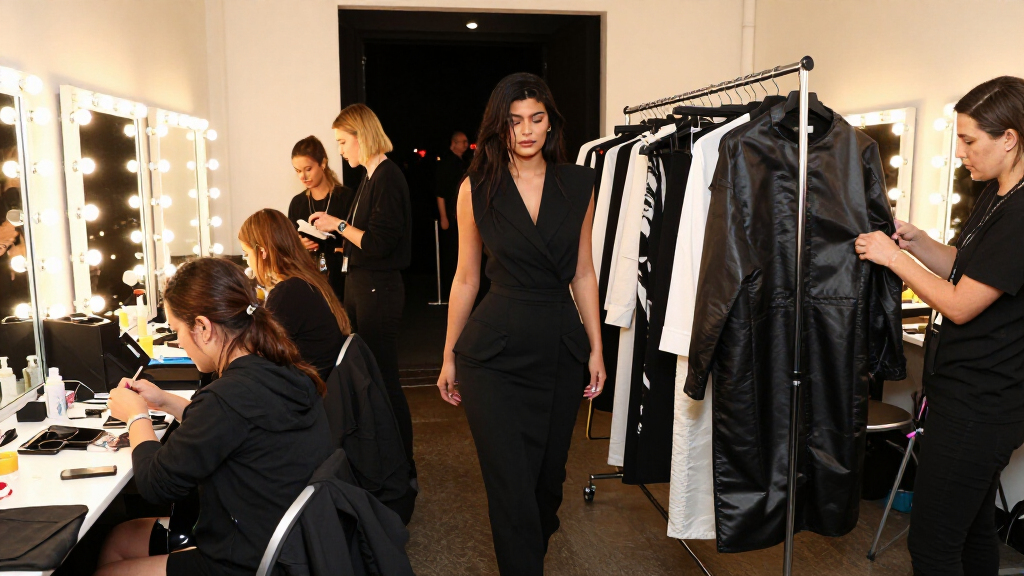
IdeaNavigator AI has identified coverage of Kylie Jenner walking in a Victoria’s Secret Fashion Show as a potential signal for apparel buyers and merchandisers. The brief proposes testing a feed-monitoring service that turns celebrity and fashion developments into role-specific decision notes; it provides no evidence that Jenner’s appearance has already changed buying decisions or sales.
According to an IdeaNavigator AI brief, the company has proposed testing a retail-monitoring service built around fast-moving fashion developments, using Kylie Jenner’s Victoria’s Secret Fashion Show appearance as an example of the kind of news apparel buyers and merchandisers might want surfaced quickly. The brief describes a product opportunity, not evidence that the runway appearance has produced measurable changes in consumer demand, sales or merchandise orders.
In its brief, IdeaNavigator AI proposes that the tool monitor RSS and similar feeds for fashion trends, product drops and celebrity moments, then filter stories for a specific audience: buyers and merchandisers at apparel brands. Rather than provide a general news roundup, it would produce a short note explaining what changed, why it might matter to a retail role and what action, if any, could be considered.
IdeaNavigator AI says the example story received an 88 out of 100 signal score through RSS monitoring. The brief does not explain how that score is calculated, what comparison or baseline it uses, or whether the score predicts commercial outcomes. The number should be read as the company’s rating of a potential signal, not as a measure of consumer response or business impact.
The brief proposes an initial test: deliver the Kylie Jenner item and two additional fashion-related items to five people who work as apparel buyers or merchandisers, then track whether anyone changes a decision or forwards a brief to a colleague. IdeaNavigator AI does not report that this test has taken place, identify participants or provide results.
Testing Celebrity News for Buyers
The idea addresses a practical information problem: retail teams may encounter celebrity appearances, product launches and style coverage across numerous outlets, while their working decisions concern particular categories, customers and timelines. IdeaNavigator AI’s proposed role-specific summary could help a buyer notice a development without relying on a broad, recurring roundup. Whether that saves time or improves decisions remains to be assessed through the proposed test.
For apparel businesses, the distinction between attention and demand matters. A celebrity appearance can attract coverage, but IdeaNavigator AI’s brief offers no sales data, search trends, customer research or evidence of purchasing intent tied to Jenner’s walk. A monitoring alert could serve as an early prompt for human review; the information provided does not establish that a style has become commercially relevant or justify a change to an order.
IdeaNavigator AI’s commercial premise is a subscription for apparel buyers or merchandisers who need timely, filtered information. The company’s suggested five-person exercise would offer an initial indication of whether target users find such briefs useful. Forwarding a note or changing a decision could show engagement, but neither alone would establish willingness to pay or lasting business value.
Victoria's Secret fashion show clothing
As an affiliate, we earn on qualifying purchases.
As an affiliate, we earn on qualifying purchases.
From Runway Coverage to Retail Brief
IdeaNavigator AI presents the news example as one item in a wider category of signals: style trends, drops and celebrity moments. The brief argues that these developments can move quickly and that a same-day, job-specific read may be more useful to some retail workers than waiting for a generic weekly summary. It does not provide a separate timeline or independently describe the fashion show.
That framing matters because the underlying development and the product proposal are different things. IdeaNavigator AI uses Jenner’s appearance to illustrate the kind of event a monitor might flag; the central development in the brief is the suggested retail workflow and validation plan, rather than a reported business reaction to the show. The material supplied does not identify the show’s date, the precise details of Jenner’s participation or any resulting product or marketing decision.
IdeaNavigator AI says the item was surfaced by RSS with an 88/100 score. The brief does not describe the scoring method or provide comparable results, so the rating cannot show that the item outperformed other fashion news or had a defined level of influence. The proposal is best understood as an early product hypothesis: detect a relevant story, summarize it for a buyer and check whether that information affects work.
As an affiliate, we earn on qualifying purchases.
Impact and Test Results Remain Unknown
IdeaNavigator AI’s brief provides no findings from interviews or user testing, and it does not say that the proposed service has been built or launched. It is unclear whether five apparel professionals have been contacted, whether any brief has been delivered or whether the suggested test has a schedule beyond the plan to conduct it “this week.”
The brief also does not establish what Jenner’s appearance means for apparel demand. It includes no sales figures, customer surveys, search measurements, merchandise-order changes or comparisons with other celebrity or runway events. The RSS score’s method and reference point are unspecified, so readers cannot use it as evidence of a trend’s size or commercial importance.
Other product details remain open, including which feeds would be monitored, how stories would be selected, how often briefs would arrive and what evidence would count as a changed decision. IdeaNavigator AI names subscription revenue as a possible model but gives no pricing, cost, retention or willingness-to-pay data. These gaps leave the commercial case untested.
As an affiliate, we earn on qualifying purchases.
A Five-Person Buyer Test
IdeaNavigator AI says the next step would be to deliver a brief about Jenner’s runway appearance, alongside two other fashion or retail signals, to five people matching the intended audience. The proposed test would record whether a participant changes a decision or passes a brief to a colleague. The company’s brief includes no completed results.
If carried out, that exercise could indicate whether the format is useful enough to prompt action or sharing. It would not, on its own, establish that a monitoring service increases sales, improves forecasting or merits a subscription across the apparel sector. Those conclusions would require broader evidence, including repeated use and clearer measures of commercial value.
For now, the confirmed development is a proposed test of a role-specific retail news brief, according to IdeaNavigator AI, with Jenner’s Victoria’s Secret appearance serving as the example. Whether the signal is relevant to buyers, and whether a paid product can reliably identify such relevance, remains to be demonstrated.
Source: IdeaNavigator AI
As an affiliate, we earn on qualifying purchases.
Key Questions
What is the news development?
IdeaNavigator AI proposed a small test of a retail signal-monitoring service for apparel buyers and merchandisers, using coverage of Kylie Jenner walking in a Victoria’s Secret Fashion Show as an example.
Did Jenner’s appearance lead to a reported sales or buying change?
No such change is reported in the brief. It provides no sales data, consumer research or evidence of altered merchandise orders related to the appearance.
What would the proposed monitoring service do?
It would watch RSS and similar feeds for fashion developments, filter them for apparel buyers and merchandisers, and produce short notes on what changed and why it might matter.
What does the 88/100 signal score measure?
The brief gives an 88 out of 100 rating for the item but does not explain its method or baseline. It should not be treated as a measure of sales impact or consumer demand.
Has the proposed service been tested with buyers?
The brief recommends delivering three items to five apparel buyers or merchandisers and tracking responses. It does not say that the test has been completed or give results.
Source: IdeaNavigator AI
Halloween Picks
halloween
As an affiliate, we earn on qualifying purchases.