Proton Mail's new self-managed Bitcoin wallet puts you in the driver's seat. With this wallet, you hold the keys, ensuring your cryptocurrency remains secure and private. The end-to-end encryption adds an extra layer of protection for your transactions. This shift towards self-custody is significant, but what does it really mean for your financial autonomy? Understanding the implications could change how you view digital currency.

Get tech for your team delivered free — and shop member deals
- Fast, free delivery on millions of items
- Access to Prime Big Deal Days deals on October 6–7
- Prime Video, Amazon Music and more included
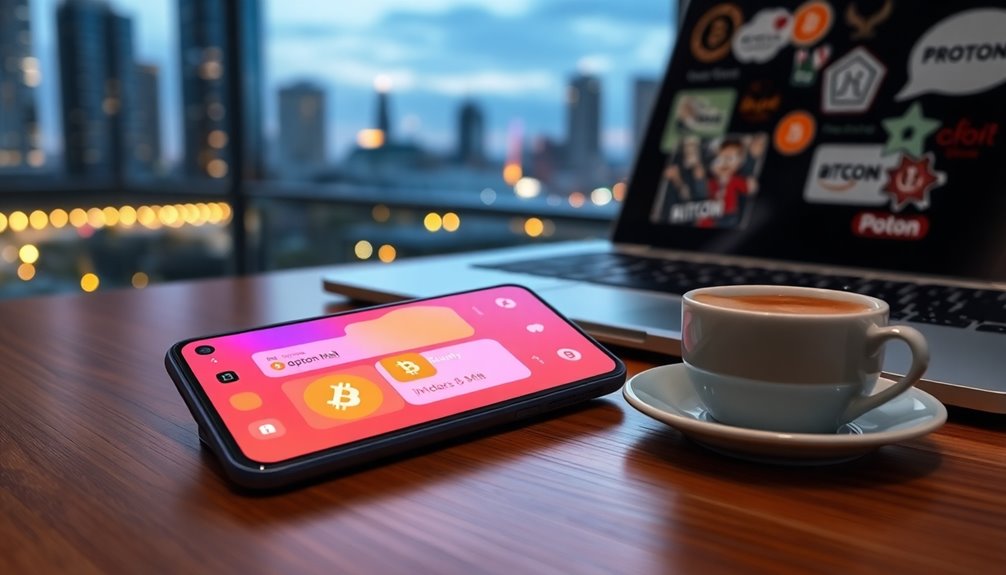
In a world where digital privacy is paramount, the Proton Mail Bitcoin Wallet stands out by offering users complete control over their cryptocurrency. With a self-custodial design, you can manage your Bitcoin without worrying about third-party access to your funds. This means you're the only one who holds the keys to your wallet, ensuring that your assets remain secure and private.
The wallet employs end-to-end encryption, which means your transactions and messages are protected from prying eyes. No one, not even Proton, can access your transaction history or account balance. Imagine the peace of mind you'll have knowing that your financial activities are shielded from unauthorized access. Additionally, Bitcoin via Email allows you to send and receive Bitcoin effortlessly using familiar email addresses.
Security is a top priority, and Proton Wallet has you covered with multiple layers of protection. You can enable two-factor authentication and even set an optional wallet passphrase for added security. With these features, you're taking proactive steps to safeguard your assets.
The open-source nature of Proton Wallet's code allows you to verify its security independently, ensuring transparency and trustworthiness in the platform.
Following a successful early access program, Proton Wallet is now available to everyone on iOS, Android, and the web. Over 100,000 users took part in the initial rollout, leveraging Proton's vast user base of more than 100 million accounts. You can sign up for free and start managing your Bitcoin right away, whether you're on your phone or doing transactions online.
You'll also appreciate that you maintain control over your private keys, which means only you can access your Bitcoin. The wallet utilizes the same advanced encryption technology as Proton Mail, providing a robust layer of protection for your data.
Proton Sentinel, an intelligent security system, uses machine learning and human analysis to keep your account safe from unauthorized access.
Finally, Proton Wallet aims to empower you with financial freedom by allowing you to manage your Bitcoin transactions independently. Built on the principles of decentralization, it avoids central authority control, giving you the autonomy you crave.
With the potential for future developments based on community feedback, Proton Wallet is positioned to become an essential tool for cryptocurrency users who value privacy and security.
Halloween Picks
halloween
As an affiliate, we earn on qualifying purchases.