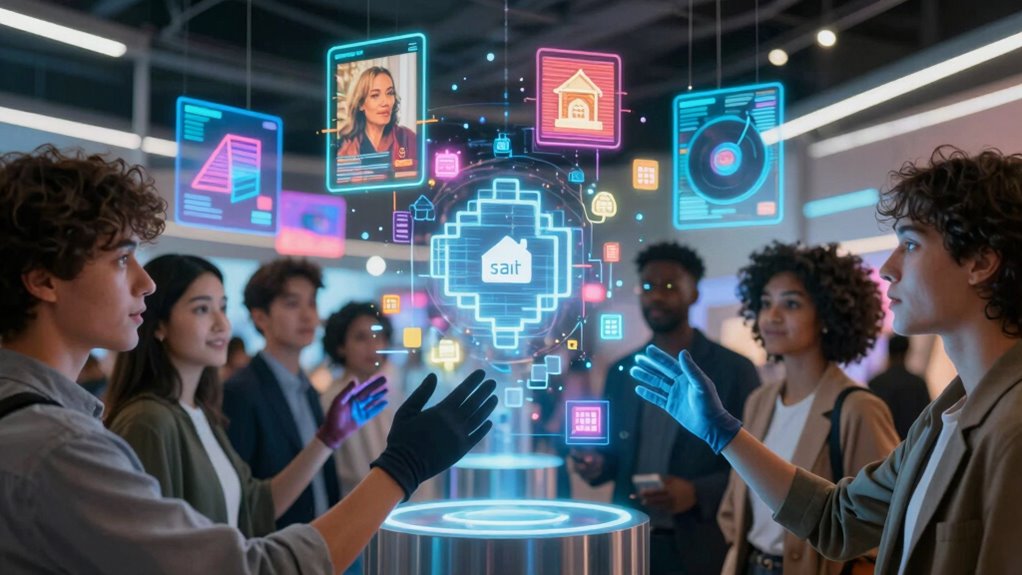

Tokenization is changing how you see ownership by turning physical assets into digital tokens on a blockchain, making it more secure, flexible, and accessible. You can own fractions of assets like real estate or art, transfer them quickly, and enjoy lower fees without middlemen. This shift makes ownership more transparent and democratizes access to markets. If you want to understand how this new perspective is evolving, there’s more to explore.

Get business pricing on tech for your team
- Business-only prices and quantity discounts
- Tax-exempt purchasing
- Multiple users, one account, clear invoices
Key Takeaways
- Tokenization transforms physical assets into digital tokens, enabling fractional ownership and broadening access to previously exclusive markets.
- It shifts ownership perception from physical or paper certificates to secure, verifiable digital records on a blockchain.
- Legal frameworks and smart contracts facilitate seamless, transparent, and automated transfer of ownership rights.
- Increased efficiency and reduced costs in transactions reshape how assets are bought, sold, and managed.
- Regulatory clarity builds trust, encouraging widespread acceptance and integration of digital ownership models.
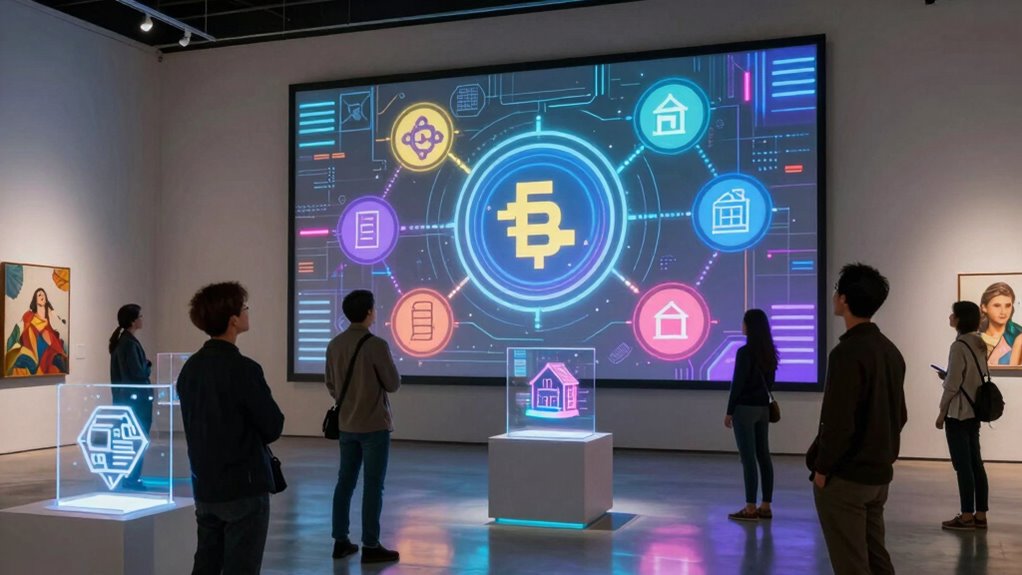
Tokenization is revolutionizing the way we think about ownership by converting real-world assets into digital tokens on a blockchain. This process allows you to hold a fraction of an asset—whether it’s real estate, art, or commodities—without owning the entire thing outright. Instead of traditional titles or certificates, your ownership is represented by a digital asset recorded securely on the blockchain. This shift makes transactions more efficient, transparent, and accessible, especially for those who previously faced barriers to entry. You can buy, sell, or transfer these digital assets quickly, often with lower fees and fewer intermediaries. As a result, the concept of ownership becomes more fluid and versatile, opening up new possibilities for investment and asset management.
However, as you explore this new frontier, understanding the legal frameworks surrounding digital assets becomes essential. The laws governing ownership rights, transfer procedures, and dispute resolution are still evolving. Governments and regulatory bodies worldwide are working to establish clear rules to protect consumers and ensure the integrity of tokenized assets. This legal clarity is indispensable because it determines how easily you can enforce your rights, how disputes are settled, and how digital assets are taxed. Without a solid legal foundation, there’s a risk of confusion or even loss, especially for large or valuable assets. That’s why the development of extensive legal frameworks is key to the widespread adoption of tokenization.
The integration of legal frameworks with digital asset technology aims to create a trustworthy environment where ownership is indisputable. These frameworks often involve smart contracts—self-executing agreements that automatically enforce the terms of a transaction. They help guarantee that once you buy or sell a token, the transfer of ownership is seamless and legally recognized. This combination of blockchain technology and legal standards can eliminate many traditional barriers, such as lengthy paperwork or ambiguous ownership records. Additionally, regulatory clarity can encourage more widespread participation by reducing legal risks. It also promotes standardized practices, which can foster greater confidence and participation in the tokenized economy.
In essence, tokenization is shifting how you perceive ownership from physical or paper-based assets to digital representations that are easier to manage and transfer. As legal frameworks catch up to this technological shift, you’ll find it increasingly straightforward to own, trade, and leverage your digital assets securely. This evolution promises not just more efficient markets but also a broader democratization of ownership, making it possible for more people to participate in asset markets that once seemed out of reach. Additionally, understanding digital asset regulation is crucial as it influences how these innovative ownership models are adopted and integrated into mainstream markets.
As an affiliate, we earn on qualifying purchases.
Frequently Asked Questions
How Does Tokenization Impact Traditional Legal Ownership Rights?
Tokenization impacts traditional legal ownership rights by providing legal recognition of digital assets, making ownership more transparent and accessible. It streamlines ownership enforcement through blockchain technology, ensuring verifiable and tamper-proof records. You can easily transfer or verify ownership without relying solely on traditional legal systems. This shift challenges conventional notions of ownership, encouraging you to view assets as digital tokens with clear, enforceable rights backed by technology.
Can Tokenized Assets Be Easily Transferred Across Different Blockchain Platforms?
You can transfer tokenized assets across different blockchain platforms, but it depends on cross-chain compatibility and transfer protocols. Some platforms support seamless cross-chain transfers using bridges or specialized protocols, enabling you to move assets easily. However, not all tokens are compatible across platforms. To guarantee smooth transfers, look for tokens with established cross-chain support and use transfer protocols designed to facilitate secure, efficient cross-platform transactions.
What Are Potential Privacy Concerns With Owning Tokenized Assets?
You might worry about privacy concerns with owning tokenized assets, especially around data privacy and identity protection. Since blockchain transactions are often transparent, your ownership details could be accessible to others, risking exposure of personal information. To safeguard your privacy, you should use privacy-focused tokens and platforms that prioritize data privacy and employ encryption. These measures help keep your identity protected while enjoying the benefits of tokenized assets.
How Does Tokenization Influence Asset Liquidity and Market Efficiency?
Nearly 90% of assets become more liquid through tokenization, boosting market efficiency. You’ll notice that digital identity and asset fungibility play key roles, as tokenized assets can be traded instantly across borders. This increased liquidity allows for smoother transactions, reducing time and costs. Ultimately, tokenization transforms markets by making assets more accessible and easier to exchange, leading to a more dynamic and efficient financial ecosystem.
Are There Any Tax Implications for Owning Tokenized Assets?
Yes, owning tokenized assets can have tax implications. You need to account for regulatory challenges and guarantee tax compliance, as authorities may treat tokens as property or securities, affecting reporting and taxation. When you sell or trade tokens, capital gains or income taxes might apply. Staying informed about evolving regulations helps you avoid legal issues and ensures proper tax reporting, making your investment journey smoother and compliant.
As an affiliate, we earn on qualifying purchases.
Conclusion
As you step into this new era, tokenization acts like a key opening a treasure chest of possibilities, transforming your view of ownership from a static concept to a dynamic, fluid experience. It’s as if the boundaries of what you own dissolve into a vast, digital ocean—vast, accessible, and endlessly navigable. Embrace this shift, for in the world of tokens, your ownership isn’t just a stake in the ground—it’s a voyage across uncharted waters.
As an affiliate, we earn on qualifying purchases.
As an affiliate, we earn on qualifying purchases.
Halloween Picks
halloween
As an affiliate, we earn on qualifying purchases.