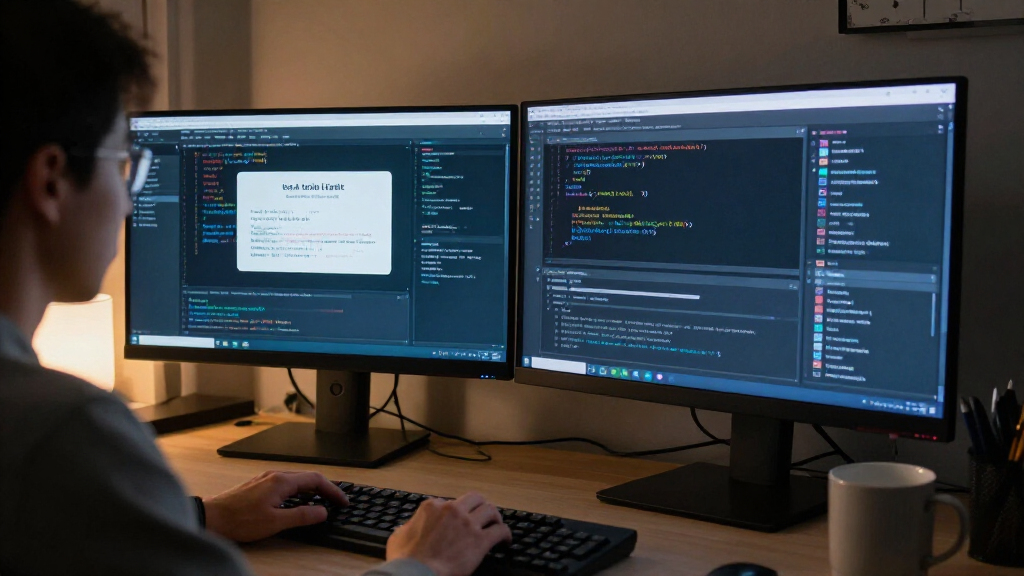

🔍 Read the full analysis: Claude Code Limits Target Game Cloning As Users Report Opus 5.5 Restrictions on ThorstenMeyerAI.com

Get business pricing on tech for your team
- Business-only prices and quantity discounts
- Tax-exempt purchasing
- Multiple users, one account, clear invoices
TL;DR
A Tom’s Hardware headline reports that Anthropic confirmed new Claude Code limits intended to prevent game cloning. The headline also describes user reports that Opus 5.5 blocks reverse-engineering tasks, but the available material does not show what prompts are affected or whether the reports relate to the announced limits.
Anthropic has confirmed new limits for Claude Code intended to prevent game cloning, according to the original analysis. The same headline says users report that Opus 5.5 blocks reverse-engineering tasks, but the information available does not specify which requests are affected, how widely the behavior occurs or whether those reports are tied to the announced limits.
The reported change concerns Claude Code, Anthropic’s coding assistant, and safeguards aimed at requests to reproduce games, a distinction explored in the line between game inspiration and recreation. The headline describes game-cloning prevention as the limits’ purpose, but the source material available here does not include Anthropic’s exact statement, policy text, technical explanation or examples of prompts that trigger a refusal.
The Opus 5.5 reports are a separate, less-established part of the story. The headline attributes claims about blocked reverse-engineering tasks to users, but no user accounts, refusal messages, dates, tests or examples are provided. Those reports do not establish that all reverse engineering is blocked, or that the behavior is a direct result of the Claude Code limits.
Other practical details are also absent: the material does not identify the release date, affected plans or model versions, how the restrictions are enforced, or whether users can appeal a refusal. The confirmed information is limited to the reported purpose of the Claude Code limits; the reach and implementation remain unverified.
How Limits Could Affect Game Analysis
Restrictions designed to prevent copying could affect developers who ask coding assistants to recreate a game’s mechanics or behavior. The policy boundary matters because reverse engineering can serve different purposes: reproducing a protected game is not the same activity as studying software for compatibility, maintenance, preservation or security research.
For users, the key issue is whether the restrictions are narrowly aimed at requests to make close copies or also affect broader analysis. A refusal could interrupt legitimate work if the system treats varied tasks alike, while a permissive boundary could leave creators concerned that an assistant is helping reproduce their work. The available report does not establish how Anthropic draws that line.
The distinction also matters for teams deciding whether Claude Code is suitable for particular development or research workflows. Without examples, published rules or reproducible tests, users cannot reliably predict which requests will be accepted. The scope of enforcement, rather than the stated goal alone, will determine the practical effect.
Products Worth Considering

Bose QuietComfort Wireless Noise Cancelling Headphones, Ice Blue
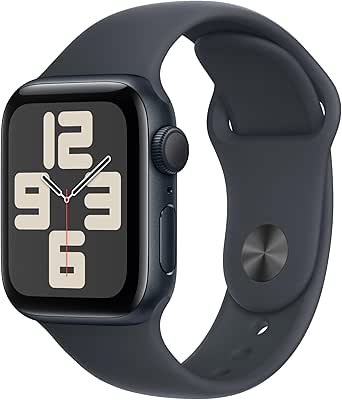
Apple Watch SE (2nd Generation) GPS 40mm Smartwatch with Midnight Aluminum Case and Midnight Sport Band (S/M)

Apple MacBook Air 15-inch Laptop with M5 Chip, 16GB Memory, 512GB SSD, and Liquid Retina Display (Midnight)
As an affiliate, we earn on qualifying purchases.
What the Report Establishes
Claude Code is Anthropic’s coding assistant, and the reported limits are described as targeting game cloning. Beyond that description, the source material does not provide a policy history, a rollout timeline or evidence showing how the restriction behaves in practice.
The headline also mentions user reports involving Opus 5.5 and reverse engineering. These are not accompanied by direct quotations or testing records. It is not established whether the reports concern the same policy, a separate model safeguard, or particular prompts that users tried. The headline alone cannot show how common or consistent the reported refusals are.
That distinction is important when reading the development: Anthropic’s reported confirmation of a game-cloning limit and users’ claims about Opus 5.5 have different evidentiary status. Neither the exact policy wording nor independent verification is included in the available material.
Which Requests Will Be Refused
The central open question is how Anthropic defines game cloning. The available material does not say whether the restriction covers only attempts to reproduce a particular game or also requests to inspect, document or adapt existing software. It gives no examples that would let users distinguish permitted analysis from restricted copying.
It is also unclear whether Claude Code and Opus 5.5 share the same enforcement rules, whether the reported Opus 5.5 behavior began with the new limits, or whether it applies across plans and model settings. The user reports contain no frequency data or testing details, so their consistency and breadth cannot be assessed.
No appeal process, alternative workflow or guidance for researchers and developers appears in the supplied information. Until Anthropic publishes more detail or users provide testable examples, the limits’ reach remains uncertain.
Policy Details and User Testing
The next informative development would be a fuller statement from Anthropic explaining the policy’s purpose, scope and effective date. Product documentation or release notes could identify which Claude Code and model versions are covered, what the system treats as game cloning, and how users can seek review when a request is refused.
Detailed user accounts and reproducible examples could help establish whether Opus 5.5 blocks a broad range of reverse-engineering work or only particular requests to recreate games. Independent testing would also be needed to compare responses across different kinds of tasks without treating isolated reports as proof of a general rule.
For now, the headline supports a limited conclusion: Anthropic reportedly confirmed a game-cloning restriction, while the reported Opus 5.5 refusals have not been documented enough to establish their scope or connection to that policy. Further policy detail and evidence from actual use will be needed to clarify what developers can still do.
Key Questions
What limits did Anthropic confirm?
A Tom’s Hardware headline says Anthropic confirmed new Claude Code limits intended to prevent game cloning. The available material does not include the exact rules or examples of restricted prompts.
Is Opus 5.5 blocking all reverse-engineering work?
That is not established. The headline reports that users say Opus 5.5 blocks reverse-engineering tasks, but it provides no examples, frequency data or testing details to support a conclusion about all such work.
Are the Opus 5.5 reports linked to the new Claude Code limits?
The available information does not establish a link. It mentions both the reported limits and user complaints, but does not show whether they stem from the same policy or separate safeguards.
When did the limits take effect?
The source material does not provide an announcement date or rollout schedule. The timing and affected versions remain unclear.
Could the restrictions affect legitimate research?
Possibly, but the available report does not show how the rules treat compatibility, preservation, maintenance or security research. Anthropic’s policy details and examples would be needed to assess which non-copying tasks remain supported.
Primary source: Anthropic · via ThorstenMeyerAI.com