📊 Full opportunity report: What Happens When Mothers Track More Than Baby Milestones? on IdeaNavigator AI — validation score, market gap, and execution plan.

Get business pricing on tech for your team
- Business-only prices and quantity discounts
- Tax-exempt purchasing
- Multiple users, one account, clear invoices
TL;DR
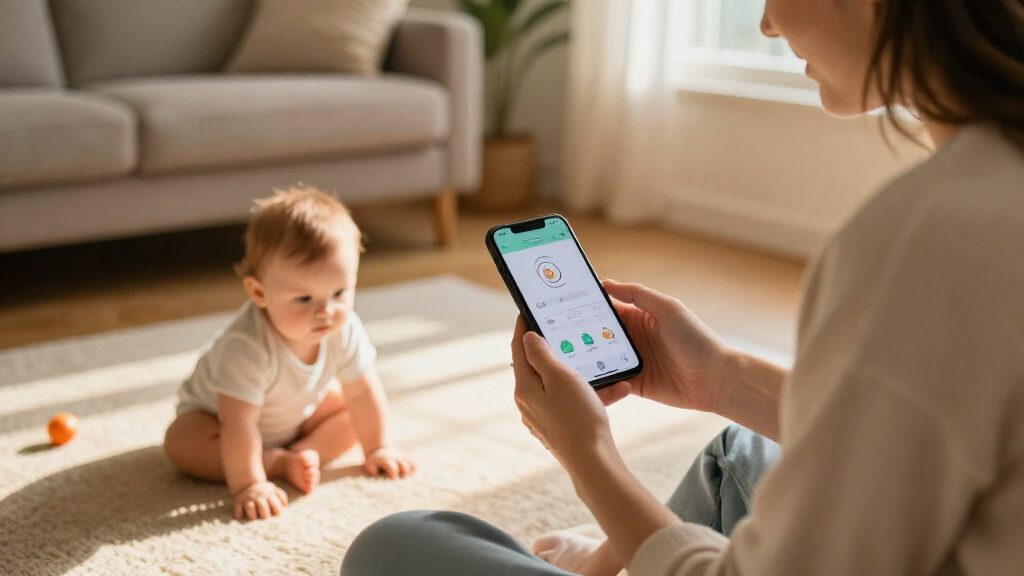
IdeaNavigator AI has proposed a voice-journal app that would let mothers record personal experiences alongside a child’s milestones. The concept includes voice capture, reflections and printed books, but it is a product proposal, not evidence of a launched service or tested demand.
IdeaNavigator AI has proposed a voice-journal app for mothers to record their own experiences of early parenthood, beyond the feeds, growth and milestones commonly tracked in baby apps. The concept targets parents who have little time to type, but it remains a product idea: no launch, user trial or evidence of demand is reported.
The proposed app would offer one-tap voice recording during everyday moments such as feeding or walking. It would turn recordings into text, tag emotional themes and create weekly reflections intended to surface patterns in a mother’s experience. The proposal also includes resurfacing earlier entries around anniversaries and compiling private yearly books.
The problem the concept seeks to address is that baby-care information is easier to record than a mother’s own experience. The proposal says identity changes, shifts in relationships and ordinary memories can go undocumented when a parent has no spare time to type. That is the product’s stated rationale, not a finding from a reported study.
Its suggested business model is a subscription with printed-book add-ons. For an initial test, IdeaNavigator AI suggests recruiting 200 new mothers and tracking entries per week through the third month, then measuring whether users buy a printed book around a child’s first birthday. No results from such a test are included.
A Record Beyond Baby Milestones
If the concept proves useful, it could give mothers a low-effort way to preserve personal memories during a period when daily care can leave little time for writing. The proposed voice-first approach is designed around hands-busy routines, rather than expecting users to sit down and complete journal entries.
The proposal also points to a distinction between tracking a child’s development and documenting a parent’s wellbeing and changing identity. A tool that summarizes entries could help users revisit their own accounts over time. But those benefits are prospective: the idea has not been shown to improve wellbeing, strengthen relationships or reliably capture meaningful memories.
For the broader market, the concept puts a familiar product question to a practical test: whether parents will keep recording after the initial appeal fades, and whether they value a printed collection enough to pay for it. Measuring continued use, not just downloads or first-week interest, would help clarify whether the proposed workflow meets a lasting need.
Products Worth Considering

DJI Osmo 360 Road Cycling First-Person Combo Action Camera

Anker SOLIX C1000 Gen 2 Portable Power Station with 200W Solar Panel

Jackery Explorer 1500 v2 Portable Power Station with 200W Solar Panel
As an affiliate, we earn on qualifying purchases.
How the Proposed App Would Work
The concept sits within the motherhood wellness-app market, while borrowing familiar functions from voice notes, transcription services and baby-tracking products. Its proposed difference is to center the mother’s own account rather than treating her mainly as the person entering information about a child.
IdeaNavigator AI frames the timing around improvements in speech-to-text and greater awareness of maternal mental health. Those points are offered as reasons the idea may be timely; the proposal provides no named technology assessment, market-size figures or research citations to quantify them. It also does not identify an existing product against which the app has been tested.
The suggested first audience is deliberately narrow: a mother who has no free hands and many experiences she does not want to forget. Starting with that group could help test whether recording during feeds or walks fits real routines. The proposed sample of 200 new mothers is a validation plan, not a reported study population or a confirmed commitment by participants.
Demand and Privacy Still Unproven
No product launch, user feedback or trial findings are provided. It is not clear whether mothers would record regularly, whether automatic emotional-theme tags would feel accurate or useful, or how weekly reflections would be generated. The proposed usage and book-conversion measures have not yet produced results.
Privacy is also a key unanswered issue because entries could include intimate information about mental health, relationships and family life. The concept does not specify how recordings and transcripts would be stored, who could access them, whether data would be used to train software, or how users could delete or export their journals. Pricing, accessibility, language support and safeguards for sensitive disclosures are likewise unspecified.
The proposal’s claims about market timing and the limits of existing baby apps are not backed here by cited surveys or comparisons. It remains uncertain how many prospective users see this as a problem, whether existing notes or journaling tools already meet their needs, and whether a subscription would be acceptable.
Testing Retention and Book Sales
The next step described in the proposal is a test with 200 new mothers, with entries per week monitored through month three. A later measure would check printed-book purchases around the child’s first birthday. No dates, recruitment details or launch plans are given, so it is not known whether this test will take place.
To judge the idea, results would need to show more than initial sign-ups: sustained recording, useful reflections, and clear user consent and control over personal data would all matter. Until those details and results are available, the voice journal is best understood as a proposed product workflow, not an established service or proven solution.
Source: IdeaNavigator AI
Key Questions
Is this voice-journal app available now?
No launch is reported. The material describes a product concept and a possible validation test, not an available app.
What would the app record?
It is intended to capture a mother’s reflections and experiences of early parenthood, including changes in identity and relationships, rather than only a child’s feeds or milestones.
How would the proposed journal work?
The outline includes one-tap voice recordings, transcription, emotional-theme tags, weekly reflections, anniversary reminders and private yearly books. These are proposed features, not confirmed functions in a released product.
Has the idea been tested with mothers?
No test results are provided. The proposal recommends a trial with 200 new mothers and tracking weekly entries through month three.
How would the app protect private recordings?
That has not been specified. The proposal does not explain storage, access, deletion, data use or other privacy controls for recordings and transcripts.
Source: IdeaNavigator AI