
TL;DR
MikroTik has introduced a new networking solution leveraging large language models (LLMs), aiming to improve network automation and user interaction. The development is confirmed, but implementation details are still emerging.
MikroTik has revealed plans to incorporate large language models (LLMs) into its networking products, aiming to enhance automation, troubleshooting, and user interaction. This development marks a significant shift toward AI-driven network management, confirmed by MikroTik officials, and could influence the future of network hardware and software.
MikroTik, a well-known provider of networking hardware and software, announced during its recent product showcase that it is developing features powered by large language models (LLMs). These features are designed to assist network administrators by providing automated troubleshooting, configuration suggestions, and natural language interaction capabilities. The company stated that the integration aims to streamline network management, reduce downtime, and improve user experience. The announcement did not specify exact release dates or technical specifications but confirmed ongoing collaboration with AI developers to embed LLMs into MikroTik’s RouterOS platform and hardware devices. Industry analysts note that this move aligns with broader trends of AI integration in networking, although detailed implementations remain under wraps.Implications for Network Management and Security
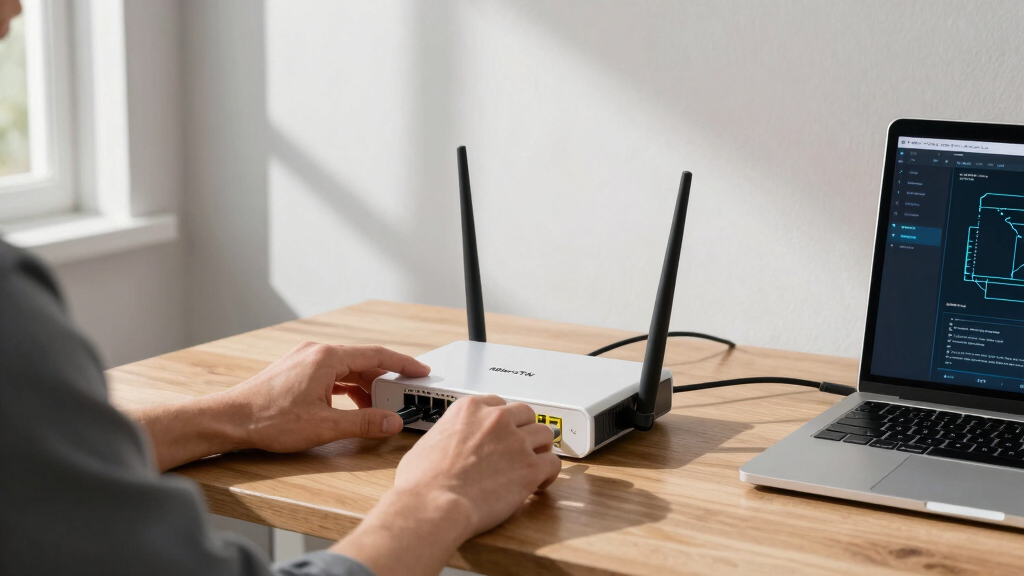
This development indicates a major shift toward AI-enhanced networking, potentially transforming how network administrators interact with hardware. Automated troubleshooting and configuration could reduce operational costs and errors, but also raise questions about security, data privacy, and reliance on AI systems. As MikroTik is a popular choice among small to medium enterprises and ISPs, widespread adoption could influence industry standards and practices. The move underscores the increasing importance of AI in network infrastructure, highlighting both opportunities and risks for users and vendors alike.MikroTik router with AI integration
As an affiliate, we earn on qualifying purchases.
As an affiliate, we earn on qualifying purchases.
MikroTik’s AI Initiatives and Industry Trends
MikroTik has historically focused on affordable, versatile networking hardware, with RouterOS software powering many of its devices. The company has previously integrated basic automation and scripting features, but the announcement of LLM integration marks a notable advance. Industry-wide, major vendors like Cisco and Juniper have begun exploring AI-driven network management, but MikroTik’s move is significant given its broad user base among smaller organizations. The development aligns with the broader trend of AI adoption in networking, driven by advances in machine learning and natural language processing, but MikroTik’s specific approach remains under development, with details still emerging.“We are excited to bring AI-powered capabilities to our products, enabling smarter, more efficient network management for our users.”
— MikroTik spokesperson
network automation tools for small business
As an affiliate, we earn on qualifying purchases.
As an affiliate, we earn on qualifying purchases.
Unanswered Questions About Implementation and Security
It is not yet clear how MikroTik plans to implement LLMs—whether through cloud-based services or embedded on devices—and how they will address data privacy and security concerns. Details about the technical architecture, performance benchmarks, and user controls remain undisclosed, and the timeline for deployment is still uncertain.large language model network management software
As an affiliate, we earn on qualifying purchases.
As an affiliate, we earn on qualifying purchases.
Expected Milestones and Industry Response
MikroTik is expected to release more detailed technical information and possibly beta versions of LLM-enabled features within the next few months. Industry observers will be watching for user feedback, security assessments, and how competitors respond to this move. Further updates may include integration demonstrations, developer tools, and official rollout schedules, shaping the future landscape of AI in networking.AI-powered network troubleshooting device
As an affiliate, we earn on qualifying purchases.
As an affiliate, we earn on qualifying purchases.
Key Questions
What specific features will the LLM integration include?
While details are still emerging, MikroTik has indicated that features may include automated troubleshooting, configuration suggestions, and natural language-based network management.
Will the LLM features be available on all MikroTik devices?
It is not yet confirmed whether all devices or only certain models will support the new AI features. More information is expected in upcoming product updates.
The company has not provided specific details yet. It is likely they will implement data privacy safeguards, but the exact measures remain to be seen.
When will the LLM-powered features be available to users?
No official release date has been announced. Industry insiders expect a rollout within the next few months following further development and testing.
How does this move compare to other networking vendors?
Major vendors like Cisco have announced AI initiatives, but MikroTik’s focus on small and medium enterprises could make its implementation more accessible and user-friendly for a broader audience.
Source: hn