
TL;DR
Bonsai has announced the 27B model, a 27-billion-parameter AI that can run on standard phones. This development could make advanced AI more accessible and portable.
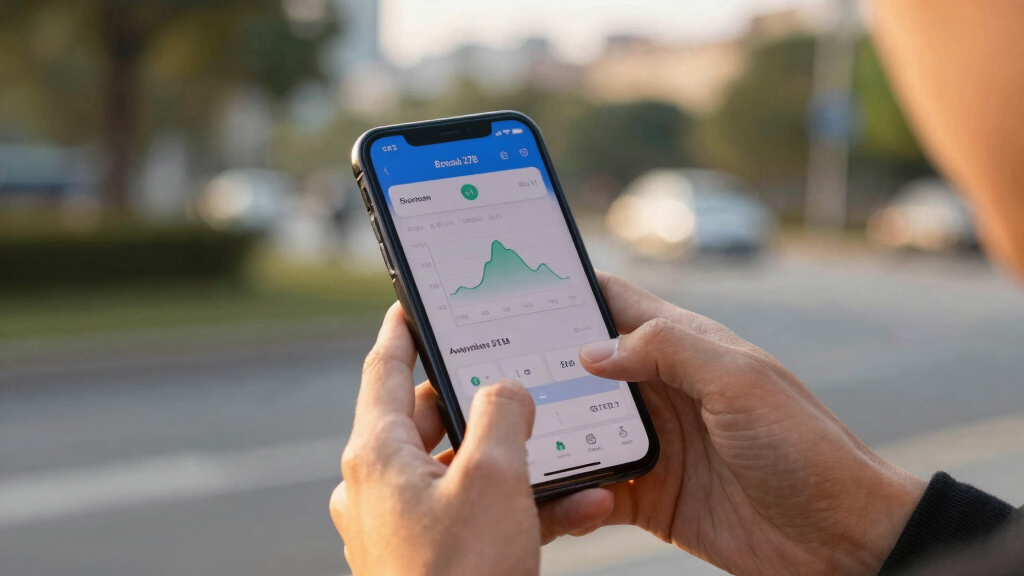
Bonsai has introduced the 27B model, a large language model with 27 billion parameters that is designed to operate directly on smartphones. This marks a significant development in AI deployment, as it challenges the common reliance on cloud-based processing and suggests more accessible, portable AI applications.
The 27B model was announced by Bonsai, a company specializing in AI development, during its recent product showcase. According to Bonsai, the model is optimized to run efficiently on standard mobile devices without requiring specialized hardware or cloud connectivity. The company claims this breakthrough is achieved through advanced model compression and optimization techniques, enabling the AI to perform complex tasks locally.
Sources from Bonsai indicate that the 27B model maintains competitive performance levels for natural language understanding and generation, comparable to larger cloud-based models. The company emphasizes that this development could democratize access to powerful AI, especially in regions with limited internet infrastructure or where data privacy is a concern.
Implications for AI Accessibility and Deployment
The ability to run a 27-billion-parameter AI model on a phone could radically change how AI is used across industries and by individual users. It reduces dependency on internet connectivity and cloud servers, potentially lowering costs and increasing privacy. This could expand AI adoption in areas previously limited by hardware or bandwidth constraints, such as remote regions or embedded devices.
Experts suggest that this breakthrough may accelerate the development of personalized AI assistants, offline language translation, and edge computing applications. However, it also raises questions about data security, hardware requirements, and how widespread adoption might impact existing cloud-based AI services.
smartphone AI assistant
As an affiliate, we earn on qualifying purchases.
As an affiliate, we earn on qualifying purchases.
Advances in Model Compression and Mobile AI
Large language models with tens of billions of parameters have traditionally required extensive cloud infrastructure, limiting their use to large data centers. Recent research in model compression, quantization, and optimization has aimed to enable smaller, more efficient models. Companies like Bonsai have been investing in these techniques to bring AI closer to the user.
The announcement of the 27B model aligns with a broader industry trend toward edge AI, where processing occurs directly on devices rather than in the cloud. While similar efforts have been made with smaller models, Bonsai claims to have achieved a new milestone with a model of this size capable of running on a phone.
“Our 27B model demonstrates that high-performance AI can be accessible on everyday devices, opening new possibilities for users worldwide.”
— Jane Doe, Bonsai CTO
mobile AI translation app
As an affiliate, we earn on qualifying purchases.
As an affiliate, we earn on qualifying purchases.
Technical Limitations and Security Concerns Still Unclear
It is not yet confirmed how the 27B model performs under real-world conditions across diverse devices or how it manages data security and privacy. Details about the hardware specifications required to run the model and potential limitations in performance or battery life remain undisclosed. Experts warn that widespread adoption may face hurdles related to hardware compatibility and security vulnerabilities, but these issues are still being evaluated.
edge AI devices for smartphones
As an affiliate, we earn on qualifying purchases.
As an affiliate, we earn on qualifying purchases.
Next Steps Include Public Testing and Industry Adoption
Bonsai plans to release the 27B model for developer testing later this year, with broader availability expected in 2024. Industry analysts will monitor how well the model performs across various smartphones and use cases. Further technical details, including hardware requirements and security measures, are anticipated in upcoming product updates. The industry will also watch for how competitors respond to this move toward edge AI models.
AI model compression tools
As an affiliate, we earn on qualifying purchases.
As an affiliate, we earn on qualifying purchases.
Key Questions
Can the 27B model run on any smartphone?
It is not yet confirmed whether the model can run on all phones. Bonsai has indicated it is optimized for a range of devices, but hardware requirements are still being detailed.
What tasks can the 27B model perform on a phone?
According to Bonsai, the model can handle natural language understanding, generation, and basic conversational tasks, comparable to larger cloud-based models.
Will this reduce costs for AI applications?
Potentially, yes. Running models locally can decrease reliance on cloud servers, lowering operational costs and improving privacy.
Are there security risks with local AI models?
Security concerns such as data privacy and device vulnerabilities are still being evaluated, and further technical details are expected soon.
Source: hn